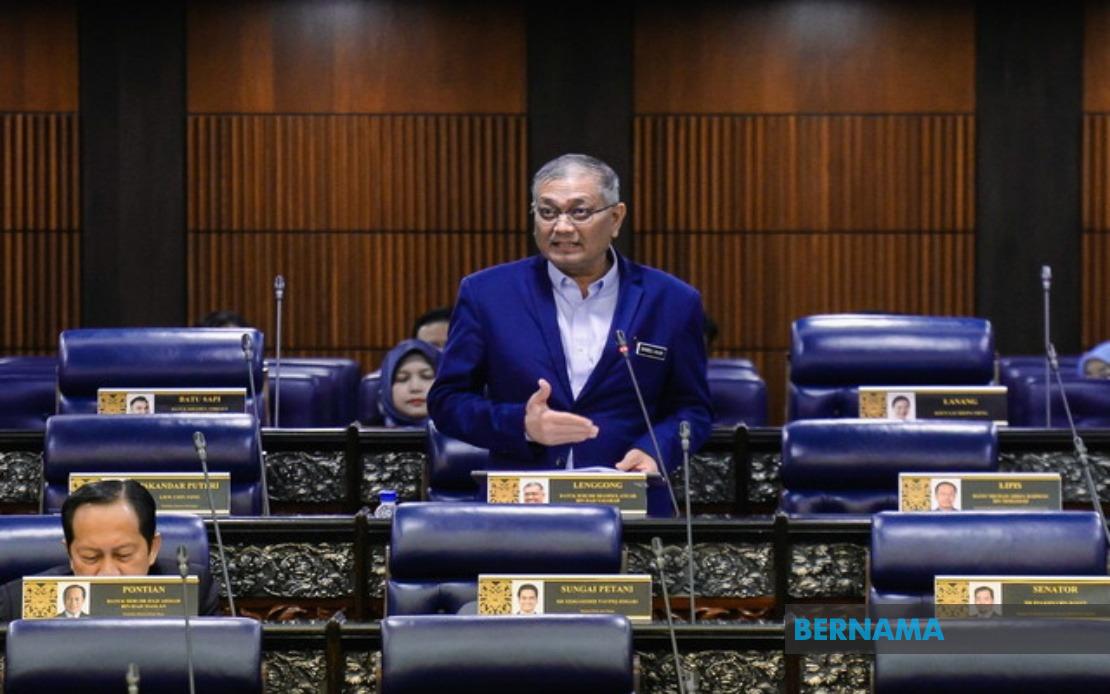
The Home Ministry has moved to address growing concerns about disciplinary practices within the Royal Malaysia Police, emphasising that extra drills and field duties are structured tools for behavioural correction rather than punitive measures designed to inflict harm. Deputy Minister Datuk Seri Dr Shamsul Anuar Nasarah made the statement in Parliament on July 14, responding to parliamentary questions about the scope and implementation of such measures across the force.
The clarification comes in the wake of heightened scrutiny following the death of a policeman in Sepang last May, an incident that prompted renewed questions about how the force implements internal discipline. The measure in question operates under Paragraph 32 of the Inspector-General of Police's Standing Orders, a regulatory framework designed specifically to address minor breaches of conduct among junior ranks. According to the ministry's explanation, these field duties function as an alternative to formal disciplinary proceedings, intended to instil discipline, strengthen character development, and encourage positive behavioural change in officers facing minor infractions.
In response to the Sepang incident, the PDRM Integrity and Standards Compliance Department issued an enhanced administrative directive on June 29 that introduces mandatory health assessment protocols. This procedural upgrade represents an attempt to fortify existing safeguards by requiring supervisors to evaluate an officer's physical and medical condition before imposing field duties. The move signals recognition within the ministry that additional protective measures are necessary to prevent adverse outcomes during disciplinary implementation.
Existing regulations establish clear boundaries around the application of such measures. Field duties cannot exceed four hours per day and must not continue for more than five consecutive days, providing a defined limit on their intensity and duration. Supervising officers carry explicit responsibility for ensuring that duties are conducted with appropriate care and attention to the individual circumstances of the officer concerned. The regulations specifically require consideration of the officer's physical condition, existing health status, environmental factors at the duty site, and any other elements that could reasonably impact their safety during the assignment.
The question of rank-based application has featured prominently in public discourse and parliamentary debate. Roy Angau Gingkoi from Lubok Antu raised concerns about whether standardised disciplinary procedures apply equally regardless of an officer's rank within the hierarchy. The Deputy Minister clarified that Paragraph 32 was specifically formulated for junior police officers as a proportionate alternative to more severe disciplinary action, acknowledging that the measure targets lower ranks by design rather than by discriminatory practice. He acknowledged this distinction while defending the differentiated approach as appropriate given the distinct service categories within the force.
Regarding allegations that senior officers receive preferential treatment and avoid such disciplinary measures, the ministry distinguishes between the frameworks governing different ranks. Senior police officers fall under separate legal provisions tailored to their respective service categories, meaning they are subject to different disciplinary procedures altogether rather than being exempt from accountability. This structural separation means that comparing discipline across ranks may conflate different regulatory regimes rather than revealing unfair bias.
Concerns about potential bullying or ragging within disciplinary contexts prompted supplementary questioning from Datuk Awang Hashim representing Pendang. The Deputy Minister responded by emphasising that disciplinary measures are not discretionary instruments available to supervisors at their whim. Instead, every application of these measures must proceed through a formal, documented process with multiple oversight points. No superior officer can unilaterally impose such duties without adhering to established procedures and obtaining appropriate authorisation, theoretically preventing arbitrary or vindictive application.
For Malaysian readers and observers of police governance, these clarifications reflect ongoing tension between the need for effective internal discipline mechanisms and public demands for transparency and fairness in their application. The police force, like any large paramilitary organisation, requires tools to address misconduct and maintain standards. However, the death in Sepang exposed public concern that such tools could be misused or applied without adequate safeguards. The ministry's response through the new health assessment requirements represents a pragmatic middle path, retaining the disciplinary mechanism while adding protective procedures.
The incident also highlights broader regional concerns about police accountability standards across Southeast Asia. As countries in the region increasingly scrutinise police practices and internal discipline, Malaysia's approach to these issues carries implications for how other forces might structure similar processes. The emphasis on procedural oversight and health considerations may influence broader discussions about balancing disciplinary effectiveness with personnel welfare across the region.
Looking forward, the effectiveness of these reassurances will depend heavily on implementation. The new health assessment directive must be properly understood and consistently applied by supervisors at all levels. Training programmes may be necessary to ensure understanding of the health protocols and the broader disciplinary framework. Additionally, oversight mechanisms must function adequately to detect and prevent any deviation from the stated procedures. Public confidence in police discipline ultimately rests not merely on what regulations state but on how they are enforced in practice.

