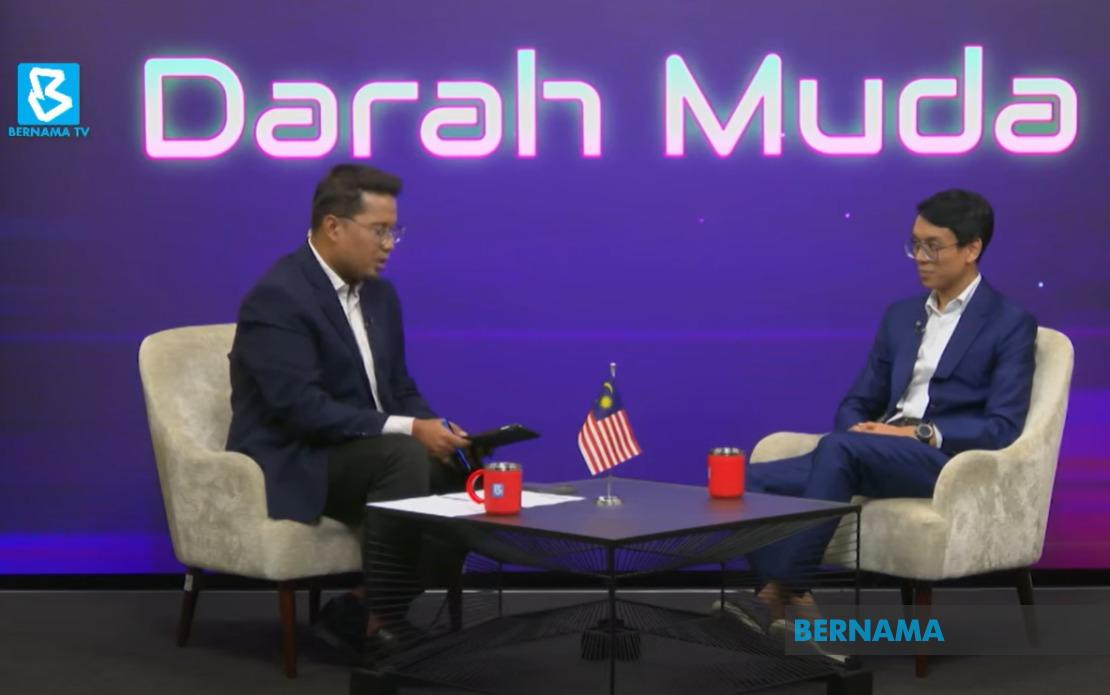
The Lembaga Tabung Haji must undergo fundamental structural improvements centred on competent leadership and rigorous governance standards to safeguard depositor interests and prevent institutional failures of the past, according to a leading economic analyst. Speaking on a televised discussion examining the Royal Commission of Inquiry findings, Mohamad Ikmal Ahmad Nordin from the IKRAM Malaysia Economic Agenda Team highlighted that while Tabung Haji has undertaken recovery measures, the root causes of previous problems demand sustained and comprehensive attention rather than superficial remedies.
Tabung Haji occupies a unique position within Malaysia's financial architecture, serving simultaneously as both a religious and financial institution managing billions in depositor funds alongside pilgrimage arrangements. This dual mandate creates particular vulnerability to mismanagement, given the complexity of balancing sacred trust with sophisticated investment and fund management responsibilities. Mohamad Ikmal argued forcefully that the institution's leadership structure must reflect this reality by prioritising individuals with demonstrable expertise in financial management, accounting principles, and investment strategy rather than relying on appointees whose primary qualifications may lie in other domains.
The analyst's assessment suggests that Tabung Haji would benefit from deliberately recruiting seasoned fund managers, professional accountants, and actuarial specialists to its senior ranks. This specialisation would enable the institution to navigate volatile financial markets, manage asset allocation with greater sophistication, and ultimately protect the savings of millions of Malaysian Muslims. Meanwhile, certain functions might be more appropriately handled through existing religious bureaucracies such as the Department of Islamic Development Malaysia, which could assume responsibility for Hajj logistics and religious affairs guidance while the financial core operates with professional independence and technical rigour.
The governance dimension carries particular resonance for Malaysia's younger generation, who represent the future constituency of Tabung Haji depositors. Young professionals increasingly scrutinise institutional performance when deciding where to entrust their savings, and a track record of financial mismanagement erodes confidence precisely among demographics most likely to accumulate substantial deposits over decades of working life. Better financial stewardship directly translates into capacity to develop innovative savings schemes and pilgrim support mechanisms specifically designed for millennial and Generation Z Muslims, acknowledging their distinct financial circumstances and aspirations regarding the Hajj.
Younger Malaysians face genuine economic pressures when contemplating Hajj preparation, confronting rising costs and competing financial obligations including housing, education, and family commitments. Progressive governance could unlock opportunities to create flexible accumulation pathways, potentially incorporating investment returns that genuinely enhance purchasing power rather than merely tracking inflation. This shift requires institutional leadership genuinely oriented toward solving contemporary problems rather than perpetuating traditional approaches that may have suited earlier eras.
Public confidence represents another critical metric requiring restoration through demonstrable institutional reform. The previous problems exposed in the RCI inquiry created profound unease among depositors and the broader Muslim community regarding how their savings were being stewarded. Rebuilding trust demands transparency, accountability, and visible competence at every organisational level. Tabung Haji must simultaneously refocus on its foundational purpose—facilitating access to the Hajj pilgrimage—rather than allowing mission drift into questionable ventures or opaque investment arrangements that obscure its core mandate.
The analyst expressed particular concern about incomplete accountability for previous failures, warning that selective investigations or partial remediation could enable similar problems to recur. Mohamad Ikmal advocated for continuation and expansion of forensic audits across Tabung Haji's subsidiary and associated enterprises to establish comprehensive understanding of how funds flowed, which decisions precipitated losses, and whether particular individuals or entities profited inappropriately from institutional weaknesses. This thorough investigative approach contrasts with superficial problem-solving that addresses visible symptoms while leaving systemic vulnerabilities unexamined.
Forensic examination serves multiple purposes beyond historical accountability. Detailed investigation of previous failures provides valuable diagnostic information enabling policymakers and future leadership to implement preventive safeguards specifically calibrated to identified vulnerabilities. Without understanding exact mechanisms of past dysfunction, institutional redesign operates substantially on speculation rather than evidence. Moreover, if certain actors benefited from previous problems through self-dealing or poor governance decisions, forensic findings create basis for potential recovery of misappropriated assets and establishing deterrent precedent that institutional positions carry genuine accountability rather than immunity from consequences.
The interconnection between expert leadership, governance quality, and depositor protection extends beyond Tabung Haji itself. Malaysian public institutions managing significant financial assets face similar dynamics, and Tabung Haji's experience offers instructive lessons regarding the critical importance of recruiting and retaining genuinely qualified professionals rather than treating institutional leadership as primarily political appointments. The institution's recovery trajectory will significantly influence broader public perception regarding whether Malaysia's governance institutions can effectively manage reform and whether citizens can trust organisations managing essential financial and social functions.
Moving forward, Tabung Haji requires leadership genuinely committed to long-term institutional health rather than short-term crisis management. This means recruiting individuals willing to make difficult decisions prioritising depositor welfare and institutional integrity over political convenience or personal advancement. It demands tolerance for professional independence within governance structures, ensuring that financial and investment decisions reflect technical expertise rather than external pressure. For younger Muslims contemplating substantial long-term commitments to Tabung Haji savings, these governance improvements represent the foundation enabling confidence that their accumulated resources will be prudently managed and ultimately facilitate their religious aspirations.

