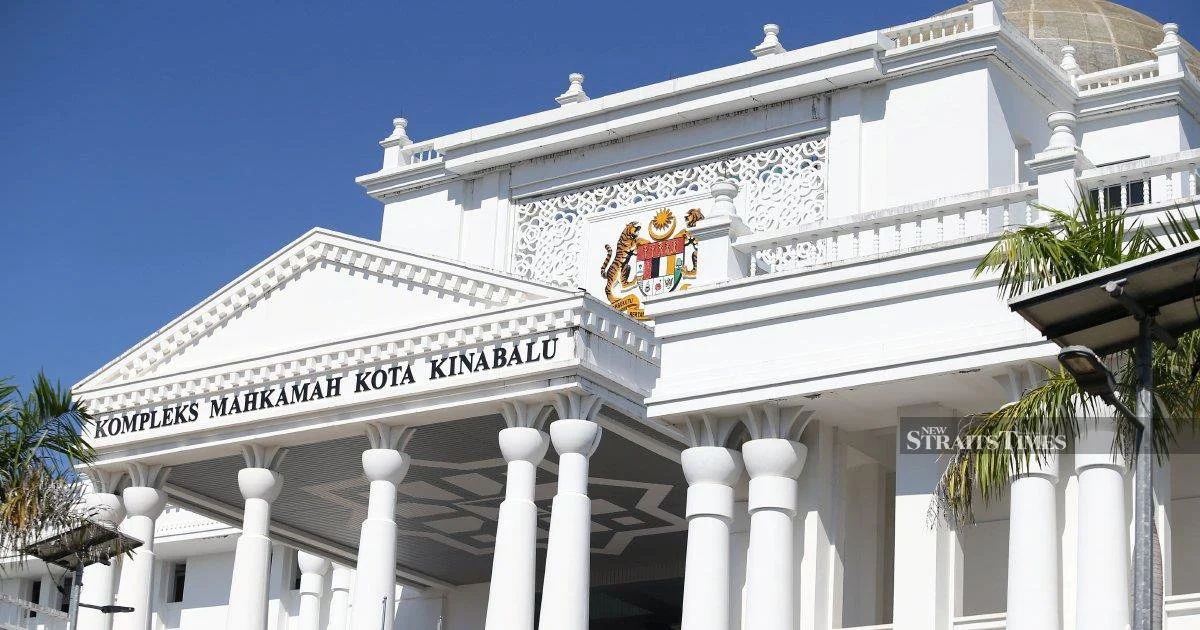
The inquest into the death of 13-year-old Zara Qairina Mahathir continued in Kota Kinabalu as the court heard testimony from the 74th witness, a document examination expert who acknowledged the limitations of challenging a colleague's forensic conclusions during cross-examination.
The witness's reluctance to dispute another specialist's assessment underscores the complexities inherent in forensic document analysis, a discipline that increasingly informs criminal investigations and court proceedings across Southeast Asia. Expert testimony, particularly when examining physical evidence such as handwriting, signatures, and document alterations, has become a cornerstone of modern justice systems, yet experts often find themselves bound by professional standards and the recognised authority of their peers' work.
Document examination falls within a broader category of forensic specialisations that rely on comparative analysis and pattern recognition. When one qualified expert has already examined evidence and formed conclusions, subsequent experts face a professional dilemma: they may identify limitations in the methodology or interpretation, but directly contradicting another specialist's core findings requires extraordinary evidence and confidence. This tension plays a central role in complex cases where multiple experts may review identical material.
The inquest into Zara Qairina Mahathir's death has now heard evidence from dozens of witnesses, including forensic specialists, pathologists, investigators, and family associates. Each layer of testimony builds a picture for the court, though not always a clear one. The involvement of document experts suggests that written records—possibly diaries, notes, correspondence, or other materials—have featured in understanding the circumstances surrounding the teenager's death.
Malaysia's courts have long grappled with the proper weight to assign expert testimony, particularly when specialists disagree. The Malaysian Evidence Act and court precedents generally allow judges to assess credibility and reasonableness of expert opinions independently. However, the professional courtesy and methodological deference shown by experts towards colleagues can inadvertently limit the range of perspectives the court considers. A witness who cannot contradict a peer's findings effectively narrows the evidentiary playing field.
For the Mahathir family and the public following this high-profile case, expert hesitation to challenge peer conclusions may feel frustrating. The inquest process itself serves a vital function: it must establish facts surrounding a death, determine whether any negligence or foul play occurred, and recommend measures to prevent similar tragedies. Incomplete expert testimony, born from professional solidarity rather than evidential gaps, risks undermining public confidence in the thoroughness of such proceedings.
Document examination expertise has become increasingly sophisticated with modern technology, yet paradoxically more contested in courtrooms. The rise of digital forensics and handwriting analysis challenges has prompted international debate about standards and accreditation. When Malaysian courts hear conflicting expert opinions, judges must navigate not only the specific evidence but also questions about which expert's methodology is more reliable—a responsibility that grows harder when experts themselves decline to adjudicate such matters definitively.
The witness's position reflects broader tensions within the forensic science community worldwide. Professional organisations have issued guidance emphasising that experts should base conclusions solely on evidence presented to them, independent of peer work. Yet in practice, knowing that a recognised specialist has already examined material creates psychological and professional barriers to outright contradiction. This is particularly acute in high-stakes cases involving prominent families, where media scrutiny and public interest intensify pressure on all participants.
For Malaysian legal practitioners and judicial observers, the inquest's progression demonstrates both the value and limitations of expert testimony. A system that relies heavily on specialist evidence must also establish clear protocols for competing expert opinions. The 74th witness's inability or unwillingness to challenge another expert's document analysis is not unusual—it reflects a structural feature of how expertise functions within adversarial and inquisitorial systems alike.
The Zara Mahathir case continues to attract intense public attention, with each witness providing incremental clarity—or confusion—about what transpired. As the inquest moves toward its conclusion, the court's ultimate task is synthesising evidence from multiple sources, including forensic specialists, into a coherent factual foundation. Whether expert witnesses prove fully forthcoming in their critiques of colleagues will significantly influence how thoroughly the court can fulfil that mandate and satisfy both the family and the broader Malaysian public seeking answers about the teenager's death.

