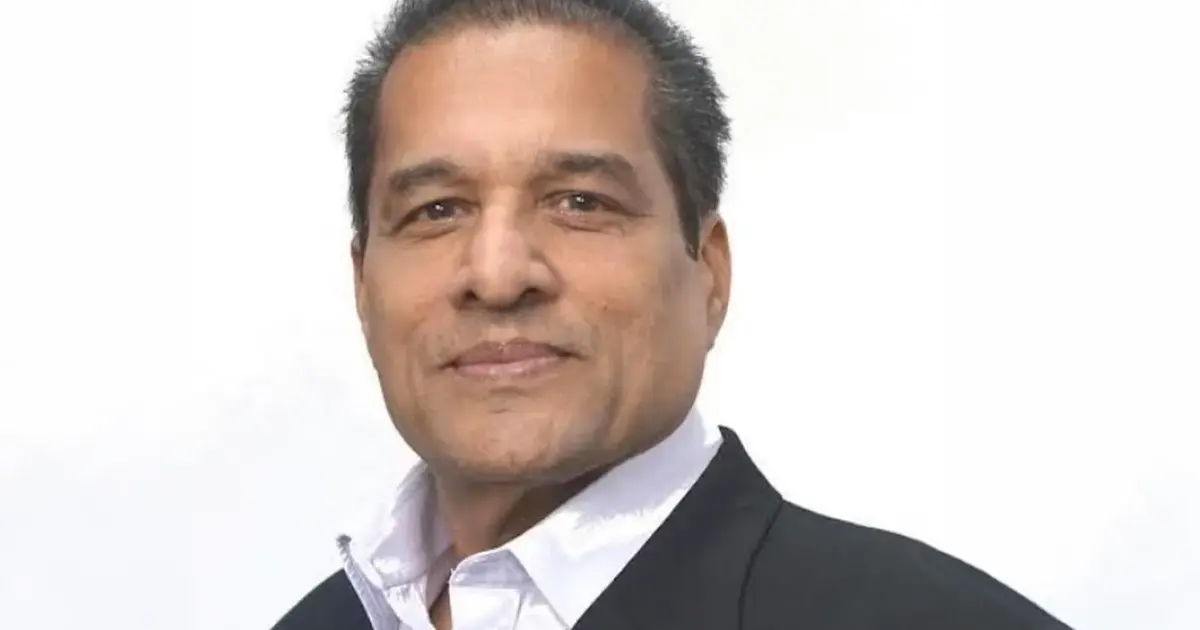
The High Court has determined that former senator Daljit Singh must compensate MRCB executive vice-chairman Salim Fateh Din with a total of RM275,000 following the conclusion of multiple legal disputes between the two figures. The ruling, which consolidates findings from separate cases, requires Singh to settle a substantial defamation judgment alongside the repayment of borrowed funds, marking a significant outcome in what appears to have been a protracted legal confrontation.
The defamation component of the judgment totals RM175,000, which encompasses both the principal damages award and associated legal costs incurred during the proceedings. This award reflects the court's assessment of harm caused to Salim Fateh Din's reputation through statements or publications attributed to Singh. Defamation cases in Malaysia require plaintiffs to demonstrate that false statements were made publicly and caused measurable damage to their standing, a threshold the court evidently found had been satisfied in this instance.
Beyond the reputational claim, the judgment also addresses a separate matter involving a personal loan. Singh has been ordered to repay RM100,000 that Salim Fateh Din had previously advanced to him, indicating a financial relationship that ultimately deteriorated into legal action. The consolidation of both claims into a single enforcement order streamlines the collection process and underscores the complexity of disputes that can arise when business relationships intersect with personal finance arrangements.
Salim Fateh Din's position as executive vice-chairman of MRCB, a substantial Malaysian property and construction entity, lends considerable corporate weight to his standing and interests. His willingness to pursue legal action through the courts demonstrates the seriousness with which he addressed the alleged defamation and outstanding debt. The outcome validates his decision to seek judicial remedies rather than attempting informal resolution.
The case carries implications for public figures and former lawmakers in Malaysia, where parliamentary service provides both prominence and potential vulnerability to reputational harm claims. Former senators, despite no longer holding office, often maintain public visibility and may continue involvement in commercial or advocacy activities that can lead to disputes with other business figures. Singh's loss in this matter signals that previous parliamentary service does not provide protection against defamation liability.
Daljit Singh's obligations now extend to satisfying a court-ordered debt that combines multiple liability streams. The enforcement of such judgments typically occurs through established legal mechanisms, including potential asset freezes or salary garnishments, depending on Singh's financial capacity and cooperation. The publicity surrounding the ruling may also affect his commercial reputation and business relationships going forward.
The litigation reflects broader patterns in Malaysian corporate and political circles where personality-driven conflicts can escalate into formal legal disputes. When individuals with business interests and public profiles clash, the boundary between personal grievance and commercial dispute often blurs, necessitating court intervention to establish objective accountability. This case exemplifies how such conflicts ultimately require judicial determination rather than negotiated settlement.
For MRCB and its leadership, the successful outcome protects corporate interests and the personal standing of its executive representatives. The ruling establishes that high-profile business executives can effectively utilize defamation law to contest damaging statements, provided they can demonstrate their falsity and the resulting harm. This precedent may influence how similar disputes are approached by other corporate entities facing reputational challenges.
The combination of defamation and loan repayment elements suggests the two men had some prior relationship, possibly commercial in nature, that deteriorated significantly. The breakdown appears severe enough that Singh either made public statements damaging to Salim Fateh Din's reputation or failed to honor financial obligations, prompting judicial intervention. Such intersecting personal and business conflicts are not uncommon in Malaysia's tightly connected commercial landscape.
From a broader perspective, the judgment demonstrates that Malaysian courts will enforce both reputational protections and straightforward debt obligations when evidence supports such claims. The High Court's decision reflects established jurisprudence regarding defamation standards and contractual obligations, applying consistent legal principles to resolve the dispute. Singh's options now primarily involve compliance with the order or pursuing appellate remedies, both of which involve additional time and expense.
The case also underscores the financial risks associated with public statements regarding identifiable individuals, particularly those in prominent business positions. Individuals and entities making public claims or allegations face potential liability if such statements prove false and demonstrably harmful, creating an incentive for careful verification before publication or transmission. For Malaysian media and commentators, the ruling reinforces existing legal principles governing fair comment and truth as defenses.
Implementation of the judgment will likely proceed through standard enforcement mechanisms available to Salim Fateh Din, potentially involving the courts if Singh does not voluntarily comply. The visibility of the case and its outcome may serve as a cautionary tale for others involved in disputes with prominent business figures, illustrating the costs—both financial and reputational—of allowing conflicts to escalate into formal litigation. For corporate Malaysia, the ruling affirms that legal action remains an available and potentially effective tool for protecting both commercial interests and personal reputation against damaging assertions.

