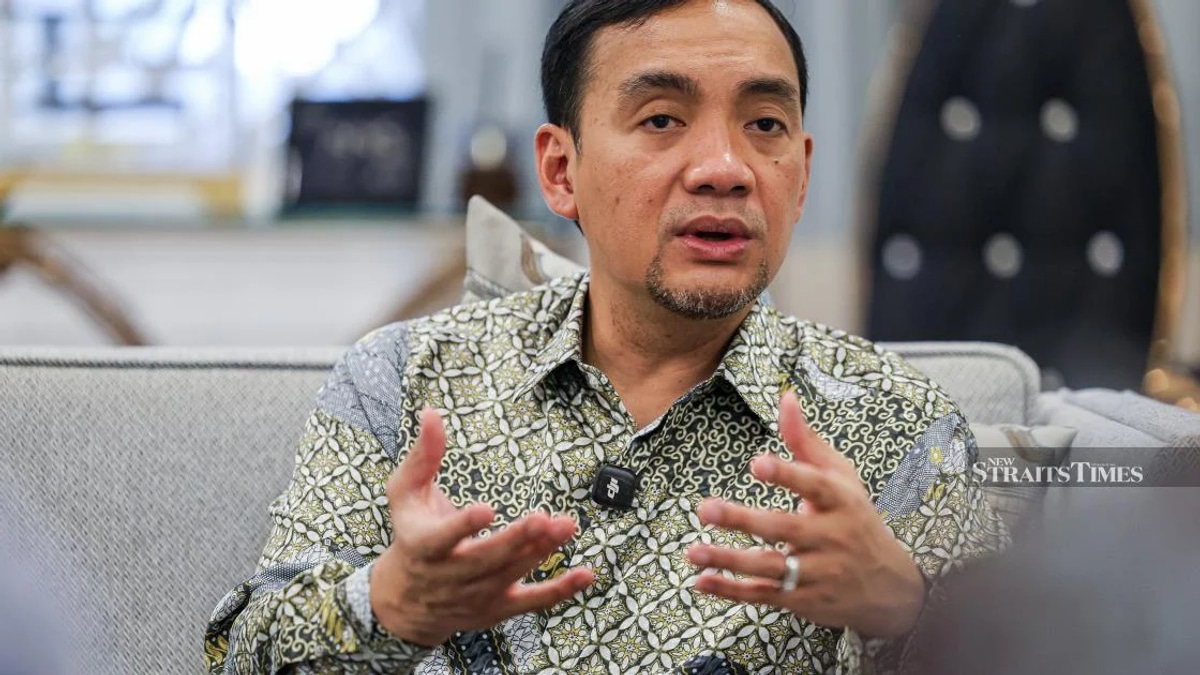
A former official at the Islamic foundation Ikram has entered a not guilty plea to a sweeping 158-charge indictment centred on allegations of receiving approximately RM98 million in gratifications, marking a significant development in what appears to be a major corruption investigation targeting the prominent religious organisation. Fakhrudin Abd Karim made the decision to contest the charges at the Shah Alam Sessions Court, where the proceedings consumed nearly two hours merely to formally present the extensive list of accusations against him.
The magnitude of charges—158 separate counts—suggests investigators have documented multiple instances of alleged misconduct spanning an extended period. Such volumetric indictments are relatively uncommon in Malaysian criminal proceedings and typically indicate that authorities have amassed substantial documentary and testimonial evidence. The specificity of the RM98 million figure suggests the prosecution has conducted detailed forensic accounting to quantify the alleged improper transfers.
Ikram, officially known as Institut Kemahiran Awam Malaysia, operates as a significant faith-based institution within Malaysia's Islamic ecosystem. The organisation's involvement in a high-profile corruption case carries broader implications for public confidence in religiously-affiliated bodies that often receive government funding and operate with considerable autonomy. The allegations, if substantiated, would represent a serious breach of fiduciary duty within an institution entrusted with public resources.
The decision to claim trial rather than negotiate a guilty plea indicates Fakhrudin's legal team either contests the factual basis of the charges or questions the sufficiency of evidence. Alternatively, they may be banking on the volume of charges creating procedural complexities or evidential gaps that could lead to acquittals on some counts. With 158 separate charges, the prosecution faces the burden of proving each allegation beyond reasonable doubt, a requirement that becomes increasingly challenging as charge numbers multiply.
The protracted period needed to read out the charges—nearly 120 minutes—underscores the complexity of the case. Prosecuting authorities must have constructed individual narratives for each alleged instance of gratification, whether through distinct transactions, separate dates, or different recipients of funds. This approach, while comprehensive, also means Fakhrudin and his legal representatives must prepare defences addressing numerous separate incidents rather than a single overarching scheme.
For Malaysian corporate and institutional governance, this case serves as a cautionary reminder about the vulnerabilities that arise when senior officials operate without robust oversight mechanisms. Religious and non-profit organisations in Malaysia, while granted certain regulatory exemptions, remain subject to the same anti-corruption laws as government agencies and private enterprises. The case may prompt other similar organisations to review their internal controls, approval hierarchies, and financial audit practices.
The investigation and prosecution also reflect the Malaysian Anti-Corruption Commission's expanded capacity to pursue complex financial cases. The detailed accounting required to substantiate RM98 million in transfers demonstrates sophisticated forensic capabilities. For investigators and prosecutors in Southeast Asia, this prosecution illustrates how modern anti-corruption work increasingly relies on digital financial trails, document analysis, and witness testimony rather than traditional investigative methods.
With trial scheduled to proceed, the coming months will reveal the prosecution's evidence strategy. Malaysian court proceedings typically span extended periods, particularly when defendant counts exceed 100. Both sides will need to navigate evidentiary questions, expert witness testimony regarding financial transactions, and potentially challenges to the admissibility of certain documents. The trial duration could easily extend into 2025 or beyond.
The case also highlights questions about internal governance at faith-based institutions, which often benefit from public trust and regulatory forbearance. Donors, members, and government agencies that partner with such organisations may scrutinise their financial management practices more rigorously following high-profile corruption allegations. Ikram's leadership will face pressure to demonstrate institutional reforms and accountability measures regardless of the trial's eventual outcome.
From a procedural perspective, observers will watch how Malaysian courts handle indictments of this scale. The 158-charge structure may test court administration systems, document management protocols, and judges' case management approaches. Future similar prosecutions may adopt different charge aggregation strategies based on how efficiently this case progresses through the system.
The upcoming trial represents not merely a test of one individual's culpability but an examination of institutional accountability within Malaysia's faith-based sector. The verdict will carry implications extending beyond Fakhrudin personally, potentially shaping how regulatory authorities and the public assess governance standards at religiously-affiliated organisations throughout the region. For now, the claim to trial initiates what promises to be a lengthy and complex judicial proceeding with significant ramifications for institutional transparency in Malaysia.