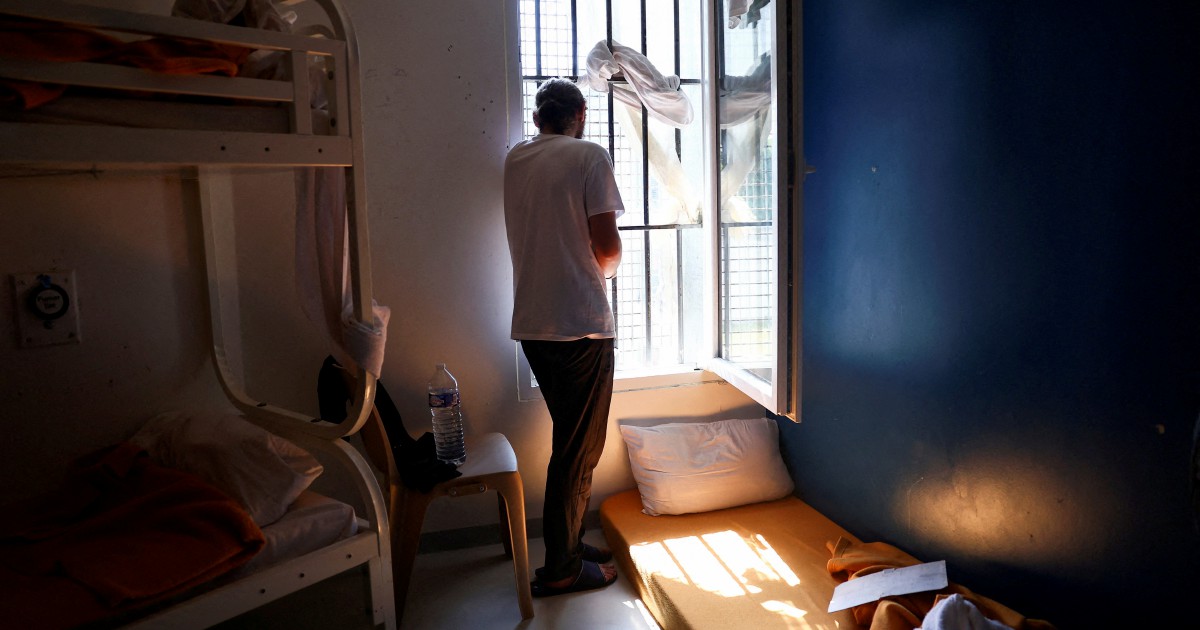
A French inmate sat in his cell draping wet towels across the window bars, attempting to communicate to a visiting politician the grim reality of incarceration during an extreme heat event. The thermometer outside had climbed past 37 degrees Celsius, yet inside the facility, conditions remained sweltering and oppressive. This scene encapsulates a mounting crisis that has become impossible to ignore: Europe's prison system, ageing and already straining under severe overcrowding, is proving dangerously unprepared for the intensifying climate impacts gripping the continent.
The intersection of record temperatures and prison overcrowding has created a perfect storm for correctional authorities across multiple European nations. Facilities built decades ago, when such heat extremes were considered anomalies rather than regular occurrences, lack the climate control infrastructure necessary to protect vulnerable populations during thermal crises. The situation highlights not merely a comfort issue but a genuine public health emergency, as prisoners—already experiencing restricted freedoms and limited access to basic resources—face additional suffering that compounds the psychological toll of incarceration.
Prison overcrowding across Europe has reached critical levels, with many facilities operating at 120 percent or higher of designed capacity. This fundamental structural problem becomes exponentially more dangerous when combined with external environmental stressors. In cells designed for one or two individuals but housing three or four, the concentration of body heat and humidity creates conditions that medical experts warn can precipitate heat-related illnesses including heat exhaustion and potentially life-threatening heat stroke. Ventilation systems designed for lower occupancy rates prove wholly inadequate under these circumstances.
France, where the initial episode occurred, has become emblematic of these systemic failures. French prisons have been operating under capacity constraints so severe that the government has had to implement emergency measures during heatwaves, including restricted work schedules and extended yard time during cooler morning hours. Yet even these interventions cannot fully mitigate the dangers posed by facilities that simply lack modern cooling infrastructure. Staff members themselves report struggling with working conditions that threaten both their wellbeing and their ability to maintain order and provide adequate care.
The political ramifications of this crisis extend well beyond prison walls. Human rights organisations have begun documenting conditions systematically, arguing that extreme heat in overcrowded prisons may constitute cruel and inhuman treatment under international law. Legal challenges have been filed in multiple jurisdictions, asserting that governments have failed in their duty to provide humane detention conditions. These cases could force substantial policy and infrastructure changes, but such legal battles consume years while inmates continue suffering in dangerous environments.
Beyond France, similar crises have emerged across Southern Europe and increasingly in Central and Eastern European nations as climate change drives temperature extremes further northward. Spain, Italy, and Greece have all reported dangerous prison conditions during recent heatwaves, while countries traditionally experiencing milder summers now face unexpected thermal shocks that their infrastructure cannot accommodate. The regional pattern demonstrates that this is not an isolated problem but a continent-wide challenge requiring coordinated response and investment.
For Malaysia and Southeast Asian readers, the situation offers cautionary lessons about climate adaptation and infrastructure resilience. While tropical climates mean heat management is already a consideration in regional prisons, the European experience demonstrates how overcrowding can transform chronic problems into acute crises. Southeast Asian nations, many of which also operate prisons at or above capacity while facing climate uncertainties, would benefit from examining European missteps to avoid similar failures. The cost of retrofitting old facilities with adequate cooling systems pales in comparison to legal liability and humanitarian consequences of inaction.
The root cause remains systemic: European governments have simultaneously failed to expand prison capacity proportionally with growing incarcerated populations while neglecting to modernise ageing facilities. Political resistance to prison construction projects, combined with fiscal constraints and shifting priorities, has created a backlog of essential infrastructure upgrades. Heatwaves have simply rendered invisible problems suddenly and undeniably visible, forcing acknowledgment of negligence that policymakers had previously been able to ignore or defer.
Correctional authorities have begun implementing interim solutions, including distribution of water and electrolyte supplements, establishment of cooling centres within facilities, and temporary relocation of the most vulnerable prisoners. However, these Band-Aid measures cannot substitute for fundamental infrastructure investment. Permanent solutions require substantial capital expenditure on air conditioning systems, improved ventilation, cell redesign, and capacity reduction through either construction of new facilities or alternative sentencing policies that decrease incarcerated populations.
The climate dimension of this crisis also raises philosophical questions about punishment and proportionality. Democratic societies increasingly question whether deliberately subjecting prisoners to dangerous heat constitutes acceptable punishment, or whether it crosses into territory violating basic human dignity. As climate change makes such extremes routine rather than exceptional, this question will only become more pressing and unavoidable for European policymakers.
International pressure and negative media attention have begun forcing action. Some nations have announced renovation programmes specifically designed to address heat and overcrowding, while others have explored early release programmes and sentencing reforms to reduce population pressures. Yet implementation remains slow and fragmented, with budgetary constraints and political disagreement hampering coordinated responses. The crisis that crystallised around a prisoner with wet towels in a French cell represents far more than anecdotal suffering—it exemplifies the collision between climate reality and decades of deferred governmental responsibility.

