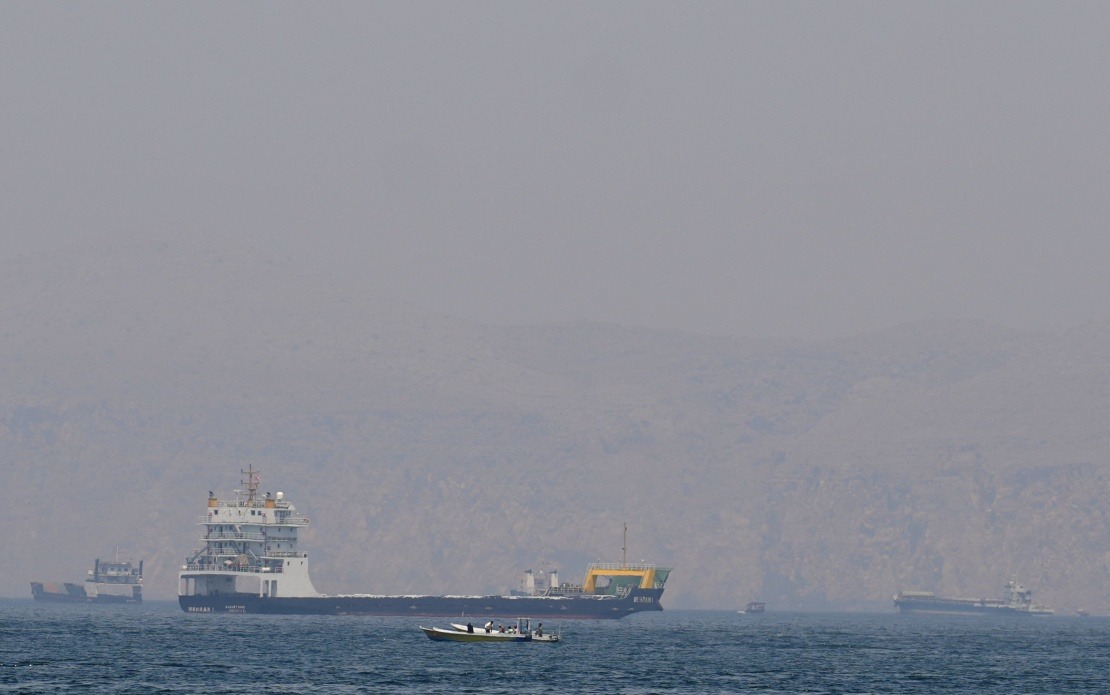
The European Union and the Gulf Cooperation Council have moved decisively to protect one of the world's most critical maritime corridors, issuing a forceful joint statement that categorically rejects any attempt by any nation to exert unilateral control over the Strait of Hormuz. The unified position emerged from a High-Level Forum on Regional Security and Cooperation held in Brussels on July 13, with both blocs emphasizing that international law guarantees the right of passage through this strategic waterway to all nations without exception. This coordinated diplomatic stance carries particular weight for Southeast Asian trading nations, including Malaysia, which depend heavily on unimpeded access through the Strait for commercial shipping and energy supplies.
The joint declaration, issued following discussions co-chaired by EU foreign policy chief Kaja Kallas and Bahraini Foreign Minister Abdullatif bin Rashid Al-Zayani in his capacity as chair of the GCC Ministerial Council, fundamentally reiterates that no bilateral agreement, understanding, or memorandum between states may lawfully restrict passage through an international strait. This principle reflects long-established conventions enshrined in the UN Convention on the Law of the Sea, which both regional and international actors have committed to uphold. The explicit language underscores the non-negotiable nature of these rights and signals that any unilateral claims to regulate or levy charges on transiting vessels would constitute a violation of accepted international maritime norms.
Central to the statement is the assertion that vessels flying the flags of all nations possess equal rights to navigate the Strait, and critically, no state possesses the authority to suspend, obstruct, or make these rights conditional on obtaining permission or paying fees. This language appears directly aimed at addressing concerns about potential Iranian actions or rhetoric that could threaten the freedom of navigation principle. For Malaysia and other nations in Southeast Asia with significant maritime trade flowing through Middle Eastern waters, such clarity from major international actors provides reassurance that efforts to weaponize or weaponize control of vital shipping lanes will face coordinated international resistance.
Significantly, both the EU and GCC levelled strong condemnation against Iranian military operations targeting commercial vessels transiting the Strait and Iranian actions affecting the sovereign territories of several regional states. The statement describes these incidents as endangering civilian lives and seafarers of all nationalities, while explicitly noting that such actions breach international law and contradict UN Security Council Resolution 2817. The breadth of this condemnation reflects deep concern among both blocs about the escalating security situation in the region and the unacceptable risks posed to innocent maritime traffic.
The two organizations have called upon Iran to immediately and unconditionally cease all attacks and cease all interference with maritime navigation activities. Beyond this demand, they have specifically required Iran to maintain the Strait as an open passage without imposing transit fees, service charges, or conditions that would restrict access. This formulation addresses both military threats and economic coercion, recognizing that blockades need not involve direct violence to cause harm to international commerce. The statement's emphasis on these multiple forms of interference suggests that the EU and GCC view the threat comprehensively.
Recognizing that security in the Strait affects all users of the waterway, the joint statement asserts that any attack threatening one state's security reverberates as a concern for all parties depending on safe passage through this vital corridor. This principle of shared security interest reflects the economic reality that dozens of nations benefit from the Strait's function as a conduit for international trade, making disruptions to maritime traffic a matter of collective concern rather than a bilateral issue. For Malaysia, as a nation with substantial maritime commerce and energy imports, this recognition validates the importance of maintaining strong international positions on freedom of navigation.
The EU and GCC have pledged continued close coordination to safeguard navigation rights, protect international shipping infrastructure, and ensure the safety of seafarers from all nations. This commitment to ongoing cooperation signals that neither bloc views the current tensions as temporary or manageable through passive observation. Instead, both organizations position themselves as active custodians of the international rules-based order governing maritime activities, prepared to work together to maintain these standards despite regional pressures.
Parallelwise, both sides have called for restraint among all parties and have reaffirmed their conviction that dialogue and diplomatic engagement represent the appropriate mechanisms for resolving the underlying crisis and guaranteeing freedom of navigation. This appeal to dialogue contrasts with the forceful language directed at Iran's actions, suggesting that while the EU and GCC will not tolerate violations of international maritime law, they remain theoretically open to negotiated settlements that address regional grievances through peaceful channels.
The current escalation in Middle Eastern tensions represents a significant test for international maritime governance structures. While a Pakistan-brokered memorandum of understanding signed in June appeared to offer a pathway toward de-escalation and lasting peace, subsequent military exchanges between the US and Iran have undermined hopes for rapid stabilization. The joint EU-GCC statement should be understood against this backdrop of fragile regional dynamics where maritime security has become entangled with broader geopolitical conflicts.
For Southeast Asian nations, particularly Malaysia with its strategic position and maritime interests, the EU-GCC position provides diplomatic backing for maintaining that international waterways remain open and neutral passages. Any successful precedent for unilateral control of international straits could have dangerous implications for critical waterways across Southeast Asia, including the Strait of Malacca. The unified international stance articulated in this declaration therefore serves broader interests in preserving the legal and practical frameworks that enable global commerce and ensure that no single nation can unilaterally restrict access to vital shipping routes. The statement's firmness suggests that the international community views such restrictions as fundamentally incompatible with modern maritime law and international stability.

