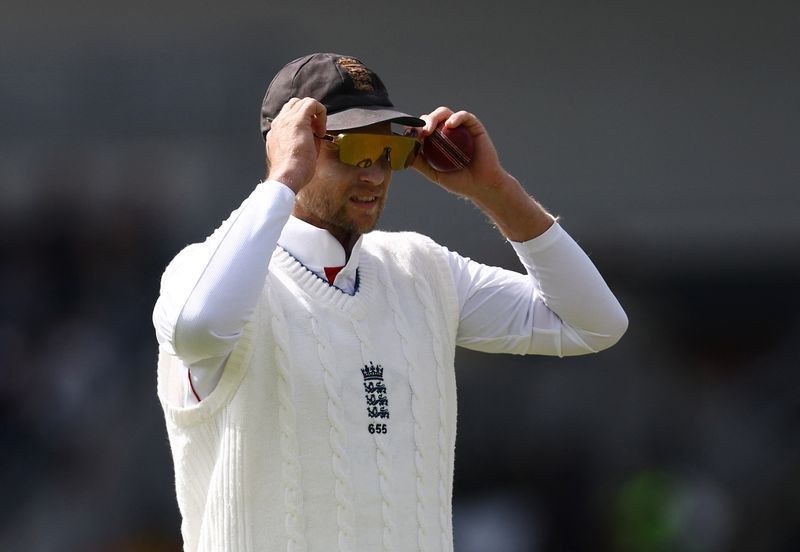
England's cricket captain Joe Root has voiced his exasperation over a persistent pattern of off-field misconduct, specifically targeting what he described as repeated lapses in judgment by his squad members. The catalyst for Root's blunt criticism came after fast bowler Brydon Carse was removed from the squad for the second test against Pakistan, which commenced on Thursday. Videos circulating on social media appeared to show the 31-year-old in police custody during a nightclub altercation, prompting the England and Wales Cricket Board to take swift disciplinary action by excluding him from the upcoming fixture at Lord's.
Root's frustration goes beyond the isolated incident involving Carse. The England captain highlighted a troubling trend of nightclub-related controversies that have plagued the national team in recent months, naming several teammates who have been implicated in similar situations. These include batter Harry Brook, Ben Duckett, former captain Ben Stokes, and pace bowler Gus Atkinson. The accumulation of such incidents has triggered wider scrutiny of the team's culture and raised questions about whether the squad is cultivating an environment conducive to maintaining international cricket standards. Root acknowledged during a press conference that the repeated nature of these occurrences represents a more serious problem than any individual mishap.
Speaking to reporters, Root did not mince words about his feelings. "If I'm being brutally honest, I'm really hacked off. I'm really disappointed," he stated, underscoring the depth of his concern. What particularly grates on the England captain is not merely the incidents themselves but their cumulative impact on the team's public image and focus. Root emphasised that these off-field distractions are detracting from what the squad is attempting to accomplish on the cricket field, suggesting that the organisation and concentration required for elite sporting performance are being compromised by preventable behavioural issues.
Despite his obvious disappointment, Root indicated that the leadership group has initiated serious conversations with players about expectations and responsibilities. The captain stressed that squad members comprehend what it means to represent England at international level and understand the standards to which they must adhere. Root articulated a vision for building a strong team culture that members can genuinely take pride in, though he acknowledged that transforming entrenched patterns of behaviour cannot happen instantaneously. The conversation reflects a broader management challenge facing the England cricket team: balancing the need for discipline with the reality that cultural change requires time and consistent reinforcement.
Regarding Carse specifically, Root disclosed that he had communicated directly with the suspended bowler and noted his remorse. The captain reported that Carse is deeply upset about the situation and has apologised for his actions, appearing to grasp the seriousness of the consequences. Root stopped short of speaking for Carse but indicated confidence that the fast bowler would publicly address the matter himself when given the opportunity. The decision to drop Carse from the Pakistan test was a symbolic statement of accountability, signalling to the squad that misconduct will result in tangible consequences regardless of a player's status or talent.
From a procedural standpoint, Carse was initially arrested during the nightclub incident but was subsequently de-arrested without any formal charges being filed. However, his involvement did not escape official scrutiny. The independent Cricket Regulator has launched an investigation to determine whether Carse violated the England and Wales Cricket Board's code of conduct, which could potentially lead to further sanctions beyond his squad suspension. This dual-track approach—immediate sporting consequences combined with formal regulatory investigation—demonstrates the ECB's commitment to taking such matters seriously.
The timing of the Carse incident is particularly significant given England's strong performance against Pakistan to date. England secured a commanding victory in the first test, winning by an innings and 103 runs, positioning themselves favourably in the test series. The question now becomes whether the squad can maintain its competitive edge whilst managing the internal discipline issues that have surfaced. Sonny Baker has been brought in as Carse's replacement, offering the team an opportunity to reset its focus on cricket.
For Malaysian and Southeast Asian cricket observers, this situation carries broader implications about maintaining standards in international sport. The England cricket team's struggles with off-field conduct reflect challenges that sports organisations globally face when managing young professional athletes with significant earning potential and public visibility. The ECB's handling of these incidents—from immediate squad removal to independent investigation—represents one template for addressing misconduct, though critics might debate whether such measures go far enough or whether they represent appropriate proportionality.
The recurring nature of these incidents also raises questions about what support systems exist for players. Whether the issue stems from inadequate education about expectations, insufficient pastoral care, or simply poor individual judgment remains an open question. Root's emphasis on conversations and culture-building suggests the team recognises that punitive measures alone will not resolve the underlying issues. The England squad faces a critical period in which their conduct away from the ground could define their legacy as much as their performance on it.

