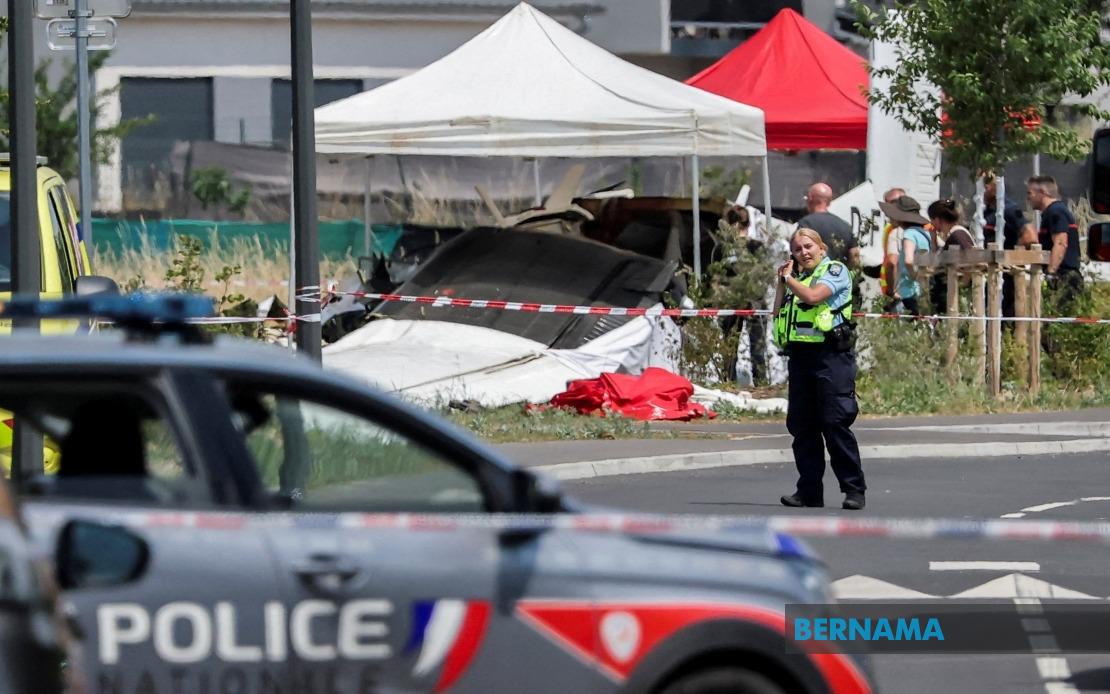
A tragic aviation accident unfolded in eastern France on Sunday when a civilian aircraft plummeted to the ground near the city of Nancy, claiming the lives of all 11 people aboard. The crash occurred in the town of Tomblaine, located in the Meurthe-et-Moselle department, mere minutes after the plane departed from Nancy-Essey Airport, according to statements from local authorities and reporting by French broadcaster BFM TV.
The aircraft was operating a skydiving charter flight, carrying two groups of parachutists alongside their instructors when disaster struck. Among those killed were ten skydivers and jumpers—two distinct groups of five individuals each—plus the pilot, according to departmental officials. Initial investigations suggest that the plane encountered difficulties during the critical phase immediately following takeoff, one of the most demanding periods for any aircraft operation.
Thierry Pechey, who heads the Meurthe-et-Moselle branch of the Order of Independent Nurses, provided additional context regarding the composition of those aboard. He indicated to BFM TV that the victims included independent nurses who were participating in what he characterised as an initiation event. These healthcare professionals were combining their professional gathering with recreational skydiving, a combination that underscores the scale of the loss—an entire group of colleagues perished together during what was intended to be a memorable bonding experience.
The exact circumstances leading to the crash remain under investigation, though the timing shortly after takeoff points to potential mechanical failure, weather-related complications, or other factors that authorities will scrutinise in coming days. Takeoff represents a particularly vulnerable phase of flight operations, requiring precise coordination between multiple aircraft systems and optimal weather conditions. The rapid descent from Nancy-Essey Airport to impact in Tomblaine suggests little opportunity for crew intervention or passenger evacuation.
French Interior Minister Laurent Nunez mobilised his office to respond to the emergency, with plans to visit the crash site on Sunday to oversee the official response and coordinate with local authorities. His personal involvement signals the gravity with which France's national government views the incident and its commitment to a thorough investigation. The presence of a senior minister at the scene also ensures resources are appropriately allocated to emergency services and the subsequent inquiry.
Meurthe-et-Moselle Prefect Yves Seguy activated the departmental operational centre to orchestrate the emergency response in real time. This decision ensured that multiple agencies—fire services, police, medical personnel, and rescue teams—operated under unified command rather than in isolation. The coordination between these services became critical immediately following impact, though all aboard perished in the immediate aftermath of the crash.
Local authorities placed immediate restrictions on public access to the crash site, specifically urging residents to avoid the vicinity of Rue Salvador Allende in Tomblaine. Police sought to establish a secure perimeter, allowing emergency responders and accident investigators unrestricted movement as they documented the scene and began preliminary investigation procedures. Such cordoning-off is standard protocol in major aviation incidents, preventing contamination of evidence and ensuring the safety of rescue workers operating amid aircraft wreckage.
For the broader aviation community and emergency management professionals, this incident will likely prompt renewed examination of safety protocols for skydiving charter operations. The combination of charter flights, recreational parachutists, and rapid descent procedures creates a specific operational profile that differs from commercial aviation. Investigators will examine maintenance records, pilot qualifications, weather conditions, and operational procedures to determine whether systemic factors contributed to the tragedy.
The loss carries particular resonance for France's healthcare sector, given that several victims were independent nurses participating in the event. The nursing community and professional healthcare organisations across the country will likely mourn the sudden loss of colleagues, adding a dimensions of institutional grief alongside the personal trauma experienced by families and the skydiving community. Such occupational solidarity sometimes brings people together for team-building activities, which makes the incident all the more sobering for those sectors represented among the victims.
Southeast Asian readers observing this tragedy should note that while France maintains some of Europe's strictest aviation safety standards, civilian aviation accidents remain possible regardless of regulatory framework. Malaysia and regional nations hosting similar recreational aviation activities—particularly skydiving operations—can draw lessons from how French authorities respond to such incidents and the subsequent investigation processes that will unfold in Nancy. The coordination between local, regional, and national authorities demonstrated in the initial response offers a useful model for emergency management across borders and jurisdictions.

