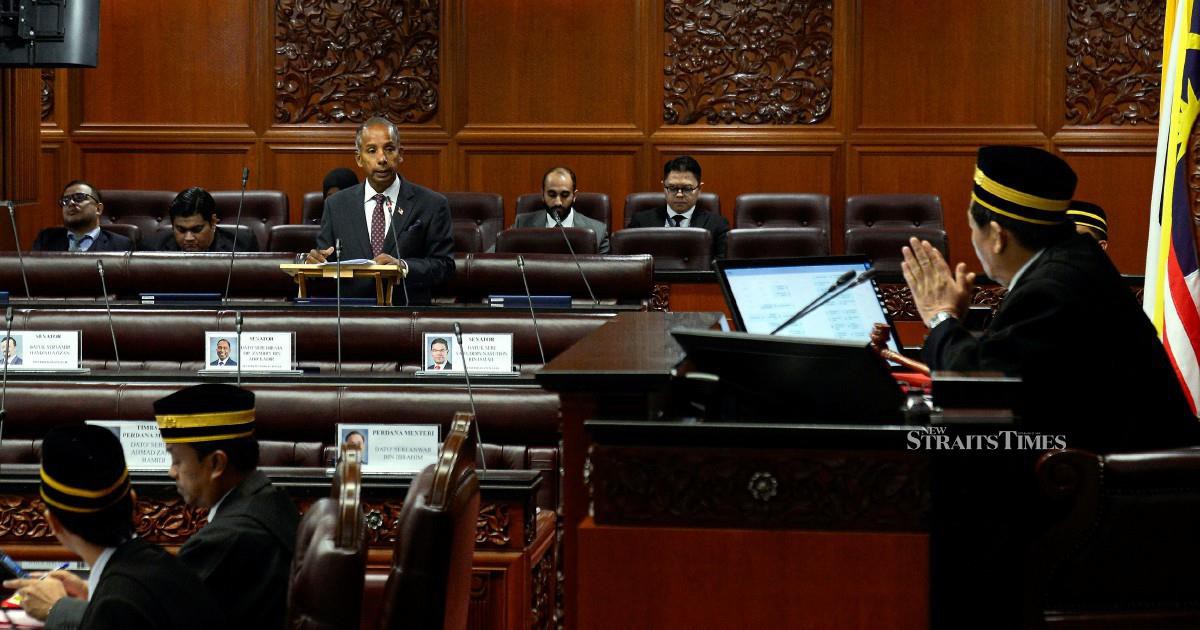
The Election Commission has signalled its willingness to examine a proposal that could significantly reshape voting accessibility for Malaysia's auxiliary police force. Deputy Minister M. Kulasegaran, who oversees law and institutional reform matters within the Prime Minister's Department, disclosed that the electoral body will undertake a comprehensive study of the initiative during a recent statement in Kuala Lumpur. The proposal seeks to extend postal voting privileges to auxiliary police officers tasked with securing the nation's strategic assets and critical infrastructure.
Auxiliary police in Malaysia form an important component of the country's broader security apparatus, operating alongside the Royal Malaysia Police to protect sensitive installations and essential services. These personnel are often deployed to high-security locations including power plants, water treatment facilities, telecommunications hubs, and government complexes, roles that frequently keep them away from their regular polling districts during election periods. The geographical displacement inherent to such postings has traditionally created logistical challenges for auxiliary officers attempting to exercise their constitutional right to vote, a constraint that the current proposal aims to address.
The postal voting mechanism represents one mechanism through which electoral accessibility can be enhanced for citizens whose occupational obligations place them beyond convenient reach of polling stations. Malaysia has previously implemented postal voting arrangements for specific categories of voters, including those working abroad, members of the armed forces serving overseas, and registered voters residing in remote constituencies. Extending similar provisions to auxiliary police officers would align with precedent while acknowledging the unique circumstances of their deployment patterns.
Postal voting systems require substantial coordination between election authorities, postal services, and security agencies to maintain electoral integrity while improving accessibility. The Election Commission's decision to undertake a formal study reflects recognition that any expansion of postal voting mechanisms must be accompanied by rigorous examination of procedural safeguards, verification protocols, and logistical feasibility. Such examination is standard practice when electoral administrators consider modifications to voting procedures, ensuring that convenience enhancements do not compromise the transparency and security that Malaysian voters expect from their electoral processes.
For auxiliary police officers themselves, the implementation of postal voting would address a long-standing friction point between professional obligations and civic participation. Many auxiliary officers currently face genuine hardship in casting their votes, forced to choose between remaining at their posts to maintain security at critical installations or travelling to their designated polling centres, often at considerable distance. This dilemma has resulted in reduced turnout among this particular voter cohort, a dynamic that postal voting could substantially mitigate.
The proposal also touches on broader questions about how democracies accommodate citizens whose work patterns diverge significantly from the standard nine-to-five employment model. In an increasingly complex security environment, Malaysia relies on auxiliary police personnel who maintain vigilance during holidays, overnight hours, and emergency situations—precisely the periods when traditional in-person voting becomes most difficult to coordinate. Recognising these realities through policy adjustments demonstrates a maturing approach to democratic participation.
Functionally, extending postal voting to auxiliary police would require establishing verification mechanisms to confirm deployment status and ensure that only legitimately stationed officers utilise the facility. The Election Commission would need to coordinate with the Royal Malaysia Police and relevant security agencies to maintain an updated roster of eligible auxiliary personnel, their assigned locations, and expected duty schedules. Such administrative coordination, while complex, falls within standard election management practices that the Commission routinely undertakes.
The timeline for the Election Commission's study remains unspecified, though institutional practice suggests a comprehensive examination will require several months to gather data, consult stakeholders, and evaluate implementation scenarios. During this period, the Commission will likely consult with law enforcement agencies, postal authorities, and civil society organisations before formulating recommendations to relevant government bodies.
From a broader regional perspective, Malaysia's consideration of expanded postal voting for security personnel reflects trends visible across comparable democracies in Southeast Asia and beyond. Many nations have gradually expanded postal voting access as they have recognised that rigid in-person voting requirements disadvantage specific demographic and professional categories without necessarily enhancing electoral security. Singapore, for instance, has long permitted postal voting for overseas citizens and military personnel, while neighbouring countries continue developing their frameworks for accommodating geographically dispersed voters.
The proposal carries implications beyond mere logistical convenience. Greater voting accessibility among auxiliary police officers would likely increase turnout within this cohort, potentially shifting the demographic composition of actual voters compared to registered voters. This democratic deepening aligns with Malaysia's stated commitment to strengthening electoral participation and institutional trust. When workers in essential security roles feel that the democratic system accommodates their circumstances, they develop stronger investment in electoral legitimacy and institutional governance.
Should the Election Commission recommend proceeding with postal voting for auxiliary police, implementation would still require legislative or regulatory amendments depending on the specific framework governing postal voting procedures. The Deputy Minister's statement indicating formal study suggests that initial political feasibility assessments have proven positive, though significant technical and administrative work remains before any scheme becomes operational. The coming months will reveal whether this study culminates in actual policy reform or whether implementation challenges emerge during the examination process.

