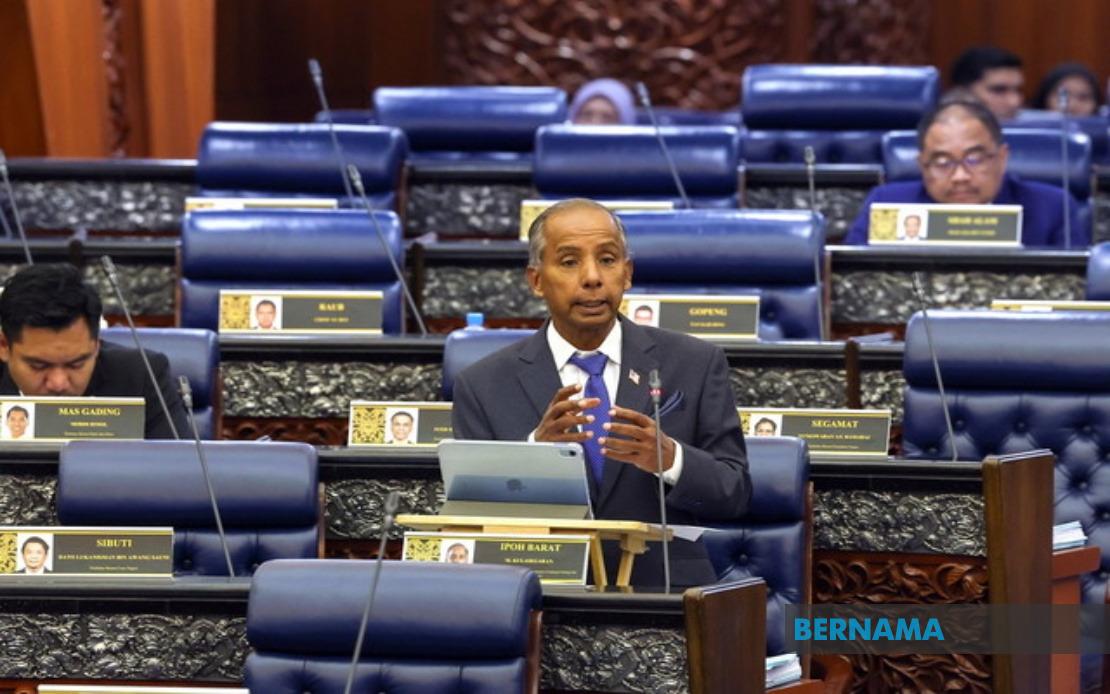
The Election Commission is undertaking a comprehensive examination of proposals to establish a domestic postal voting system for eligible voters across Peninsular Malaysia, Sabah and Sarawak, according to remarks made in Parliament this week. Deputy Minister in the Prime Minister's Department (Law and Institutional Reform) M. Kulasegaran confirmed that the initiative has entered an intensive study phase, with completion targeted for next year. This represents a significant step forward in electoral modernisation discussions that have gained momentum as Malaysia seeks to enhance accessibility for voters who face barriers to casting ballots at traditional polling stations.
The consultation process underpinning this study reflects the complexity of introducing systemic changes to Malaysia's electoral framework. Kulasegaran stressed that the Election Commission requires substantive engagement with multiple stakeholders before arriving at conclusions, notably political parties across the spectrum. Such wide-ranging consultations are essential given that electoral reforms carry implications for how votes are administered and counted, and any new mechanisms must command sufficient confidence among competing political interests. The timeline extending into 2025 suggests the commission recognises the need for thorough deliberation rather than hasty implementation, a measured approach that regional observers view as appropriate given the technical and logistical challenges involved.
Postal voting has emerged as a focal point in broader discussions about electoral modernisation in Southeast Asia. Countries within the region have experimented with various approaches to remote voting, recognising that traditional polling booth attendance creates genuine difficulties for certain voter populations. Malaysian citizens working abroad, those with mobility restrictions, and individuals in geographically isolated areas represent constituencies that stand to benefit from expanded postal voting options. The domestic proposal gains particular resonance given Malaysia's diverse geography and the challenges presented by distance in Sabah and Sarawak, where travel to polling centres can be prohibitively time-consuming and expensive for some voters.
Parallel to the postal voting examination, the government has signalled openness to a more fundamental restructuring of the Election Commission's institutional position. Kulasegaran indicated receptiveness to a proposal that would place the EC under parliamentary oversight rather than situating it within the Prime Minister's Department. This suggestion addresses longstanding concerns about electoral independence and the appearance of undue executive influence over electoral administration. Transferring the EC to parliamentary purview could enhance public confidence in the impartiality of electoral processes, though such a shift would require careful consideration of constitutional implications and practical governance arrangements.
The conversation around EC autonomy reflects international best practice standards that increasingly emphasise the importance of independent electoral commissions. Various democracy monitors and international organisations have long advocated for electoral management bodies to operate with sufficient institutional distance from executive government structures. Malaysia's readiness to examine this proposition suggests receptiveness to international norms, though the government indicated that any decision would require coordination among relevant parties. The proposal carries symbolic weight beyond its practical implications, signalling a potential commitment to strengthening electoral institutions at a moment when public trust in democratic processes commands growing attention.
Separately, the government addressed concerns regarding enforcement of existing regulations prohibiting mobile phone usage at polling stations. Kulasegaran reported that the Election Commission maintains confidence in current control mechanisms and sees no requirement to strengthen enforcement procedures or designate mobile phone violations as a discrete offence under the Election Offences Act 1954. This position contrasts with suggestions from some observers that tighter restrictions might be warranted to prevent potential vote tampering or intimidation through photographic documentation of ballot choices. The decision to maintain existing arrangements reflects a judgment that current safeguards prove adequate, though critics may contend that modern technology demands correspondingly updated regulatory responses.
The three-part discussion—covering postal voting expansion, institutional restructuring, and polling station security—collectively illustrates the multifaceted nature of contemporary electoral reform. Each element addresses distinct concerns: accessibility, institutional independence, and fraud prevention respectively. The phased approach whereby postal voting conclusions arrive in 2025, institutional recommendations flow through internal channels, and security protocols remain under review, creates a deliberate framework for change management. This gradualist strategy permits comprehensive assessment while avoiding the disruptions that hasty alterations to electoral systems can produce.
For Malaysian voters, the potential introduction of postal voting represents a tangible improvement in electoral participation opportunities. Citizens facing work commitments, health challenges, or geographic remoteness would gain genuine alternatives to travelling to physical polling stations. The expansion would bring Malaysia closer to international norms in many established democracies where postal voting forms an accepted component of electoral infrastructure. However, successful implementation depends on rigorous safeguards against fraud, secure chain-of-custody procedures, and public confidence in the integrity of postal mechanisms—requirements that likely justify the extended study timeline now underway.
Regional observers note that Malaysia's electoral development occurs within a broader Southeast Asian context where countries increasingly grapple with modernising democratic institutions. Indonesia, the Philippines, and Thailand have each confronted questions about accessibility, security, and institutional independence in recent years. Malaysia's deliberate examination of postal voting proposals, combined with openness to structural reforms of the EC, positions the country as engaged with contemporary electoral challenges affecting the broader region. How Malaysia resolves these questions may establish precedents influencing policy discussions across Southeast Asia.
The government's transparency regarding these deliberations, demonstrated through parliamentary engagement and public acknowledgment of ongoing studies, reflects commitment to informed policy development. Kulasegaran's statement that final decisions await stakeholder engagement signals respect for democratic consultation processes, even as the extended timeline may frustrate those seeking swifter implementation. For Malaysian citizens invested in electoral accessibility and institutional integrity, the years ahead will test whether these study processes translate into meaningful reforms or represent symbolic gestures that ultimately preserve existing arrangements.

