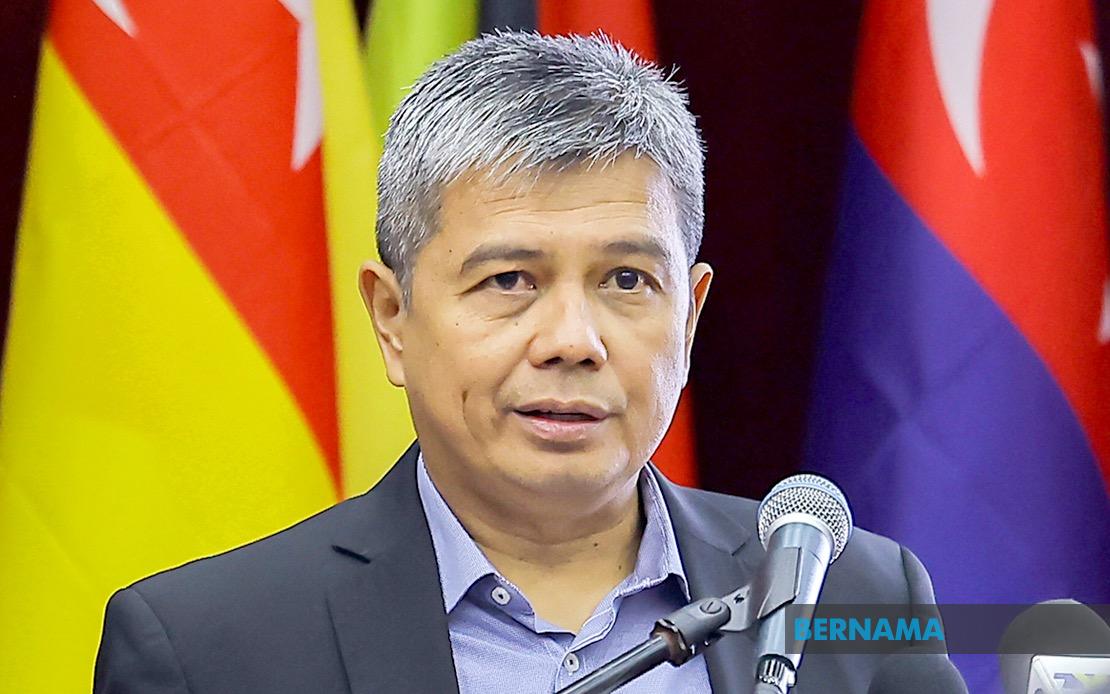
As the 16th Johor State Election enters its final hours, the Election Commission has issued a comprehensive directive ordering all contesting parties to halt every form of campaigning once the official campaign period closes at 11.59pm tonight. The timing marks a critical juncture for candidates who have spent weeks mobilising voters across the southern state, with tomorrow's polling day set to determine the composition of the Johor State Assembly. Election Commission secretary Datuk Khairul Shahril Idrus underscored the severity of the cutoff in a statement released in Johor Bahru, emphasising that the ban encompasses the full spectrum of electoral promotion activities regardless of medium or method.
The campaigning prohibition extends far beyond traditional door-to-door canvassing and campaign rallies, explicitly covering digital spaces where much modern political engagement now occurs. Parties and candidates are barred from all street-level vote-seeking activities conducted near polling venues, with particular attention drawn to the expansive reach of social media platforms including Facebook, X, Instagram, TikTok, and Threads. This comprehensive digital restriction reflects growing Election Commission awareness of how online campaigning can extend messaging to voters right up to the moment they enter polling booths. The breadth of the restriction acknowledges the reality that social media content posted by individual supporters, party machinery, or candidate accounts can continue circulating organically even after official posting ceases, potentially influencing undecided voters in the final hours before voting begins.
Beyond campaign cessation, the Election Commission has reinforced a critical prohibition against political parties and candidates establishing campaign booths on polling day itself. These structures, known locally as barung, have historically served as gathering points where party supporters congregate and continue political discussion. The ban on such facilities represents a deliberate effort to create a clear separation between campaign activity and the voting process, ensuring that polling centres remain neutral spaces dedicated to the democratic exercise itself. Violation of this requirement constitutes a formal offence under the Election Offences Act 1954, placing legal consequences on any party that attempts to maintain campaign infrastructure within the polling environment.
Voters heading to the polls tomorrow face equally strict regulations designed to preserve the integrity and confidentiality of the voting process. Mobile phones are completely prohibited within polling streams, with the Election Commission directing that comprehensive signage will be displayed both outside and within polling stations to ensure voters are aware of the restriction. Those who bring mobile devices to polling centres must deposit them in designated collection areas immediately after receiving their ballot papers, retrieving them only after completing the voting process. This measure addresses concerns about clandestine photography of ballots or other covert documentation that could undermine ballot secrecy, a foundational principle of democratic elections.
The Election Commission has encouraged voters to plan their polling day schedule strategically rather than waiting until the final moments of the voting window. Through the MySPR Semak application, each registered voter can check recommended voting times that would help distribute foot traffic evenly throughout the day and reduce congestion at individual polling centres. However, the Commission has clarified that voters retain full flexibility to cast their ballots at any point between 8am and 6pm, or according to gazetted operating hours specific to their respective polling locations. This balance between encouraging optimal timing and preserving voter choice reflects administrative pragmatism—the Commission wants efficient polling operations without creating the perception of pressure or restriction on when citizens can exercise their franchise.
Proper identification constitutes an essential component of the voting process, and the Commission has reiterated that all voters must bring identity cards for verification purposes. Critically, voters are warned never to surrender their identity documents to anyone other than designated election officials, a safeguard against fraudulent voting or identity-related irregularities. The Commission has also advised voters to verify their polling information in advance through available platforms, allowing them to arrive prepared and minimising delays at their assigned polling stations. This preparatory approach reduces administrative friction and demonstrates the Commission's commitment to making the voting experience as straightforward as possible for the electorate.
Employers across Johor have received a parallel reminder that they must grant employees who are registered voters reasonable time off work to participate in tomorrow's election. This obligation derives from provisions within the Election Offences Act 1954 and underscores that the right to vote carries implicit workplace protections. Businesses cannot use operational demands or scheduling constraints to effectively disenfranchise their workforce, ensuring that labour considerations do not create barriers to participation. For workers in essential services or businesses operating during the 8am-6pm polling window, this employer obligation becomes practically significant, requiring advance planning to facilitate voting without compromising workplace functions.
The Election Commission conducted rigorous quality assurance procedures on Thursday and Friday, systematically inspecting all polling equipment and supplies destined for distribution to Presiding Officers at individual polling streams. These examinations encompassed ballot boxes, indelible ink, ballot papers, and voting booths, with inspectors verifying both completeness and physical condition of each item. Such preparatory scrutiny aims to prevent equipment-related disruptions during voting and demonstrates procedural diligence in managing the technical components of the election. By distributing thoroughly inspected materials to Presiding Officers in advance, the Commission seeks to minimise last-minute logistical complications and ensure that polling stations can operate smoothly from the moment they open.
For Malaysian observers, tomorrow's Johor election represents a significant state-level democratic exercise carrying implications beyond the peninsula's southern region. Johor, as one of Malaysia's largest and most economically consequential states, has been a strategic political battleground where different coalitions and parties vie for influence and administrative control. The voting outcome could influence the broader trajectory of Malaysian politics, potentially affecting coalition dynamics at the federal level and signalling voter sentiment on matters ranging from economic management to social policy. The Commission's extensive final preparations and detailed public reminders reflect the significance attached to ensuring this election is conducted fairly, transparently, and according to established democratic protocols.
The midnight deadline represents the formal end of a campaign period that has unfolded against Malaysia's complex multi-party political landscape. Candidates and party operatives have exhausted their opportunities for direct voter persuasion, with tomorrow's ballots serving as the definitive mechanism through which Johor voters will express their electoral preferences. The Commission's strict enforcement of campaign cessation rules, combined with comprehensive polling day regulations, reflects institutional commitment to separating campaign advocacy from the voting environment itself. As voters prepare to exercise their democratic rights, the regulatory framework established by the Election Commission aims to ensure that tomorrow's election proceeds as a legitimate expression of popular will, uncorrupted by last-minute manipulation or procedural irregularities.

