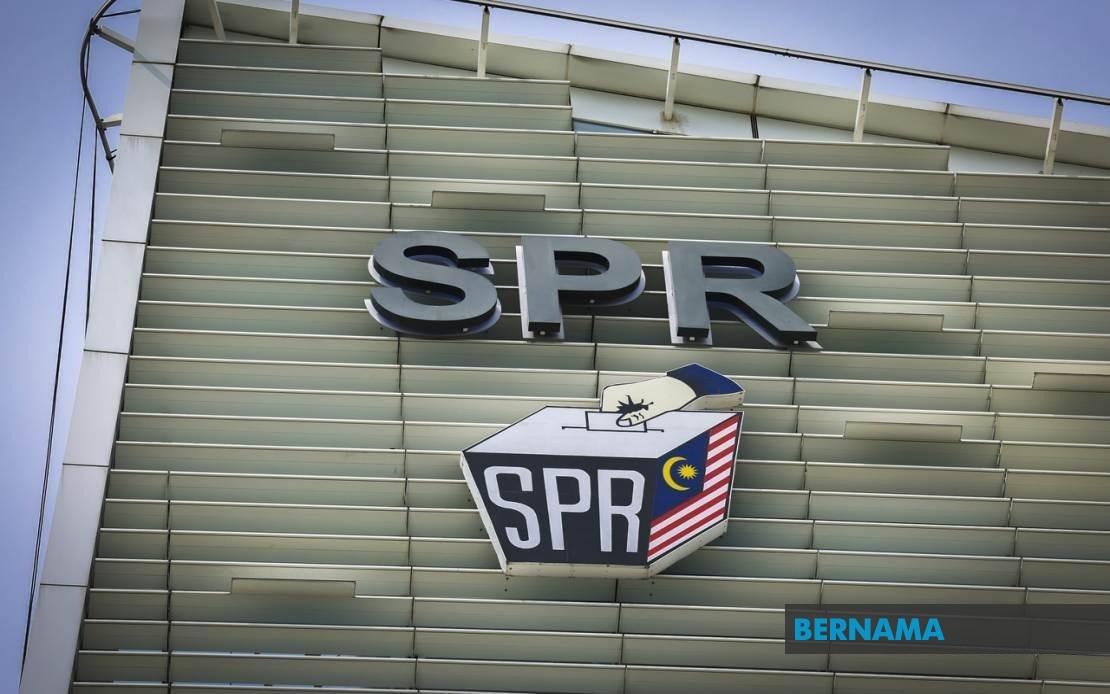
The Election Commission has begun distributing postal ballot papers for the upcoming 16th Negeri Sembilan state election, issuing 13,263 ballots on July 20 to voters unable to cast ballots on polling day. The distribution process follows the established framework under the Elections (Postal Voting) Regulations 2003, as confirmed by EC secretary Datuk Khairul Shahril Idrus, ensuring that voters across different categories can participate despite logistical constraints.
The bulk of the postal ballots—12,669 papers—went to election officials, members and staff of the EC, police personnel, military personnel, and media practitioners through the Form 1A application process. These categories represent essential workers and officials directly involved in or covering the electoral process, and the provision of postal ballots recognises their duty commitments during the election period. Their participation is crucial to maintaining democratic participation across the public and private sectors that traditionally have high demands during election cycles.
A further 343 postal ballots were allocated under Form 1B to Malaysian citizens living abroad, a category that has grown in significance as more Malaysians work, study, and settle internationally. This provision enables diaspora communities to exercise their constitutional right to vote without returning to Malaysia, though the relatively modest number reflects challenges in identifying and registering overseas voters. An additional 251 ballots were issued under Form 1C to officers from 11 agencies in the security and health sectors, a category that acknowledges the frontline nature of their work and the operational difficulties of releasing such personnel during election day.
The EC conducted the postal ballot distribution in the presence of representatives from all 103 candidates contesting the 36 state assembly seats, as well as independent candidates. This transparency measure, while adding logistical complexity, provides all political parties and independent aspirants assurance that the process operates fairly and without partisan advantage. Such oversight mechanisms build confidence in electoral integrity, a factor increasingly important in competitive state elections where margins between parties are often narrow.
Voters receiving postal ballots must complete them with particular care, marking their preferences accurately and filling in the Identity Declaration Form, designated as Form 2, with complete information. The emphasis on accuracy reflects the EC's experience with postal voting processes, where incomplete or ambiguous forms can render ballots invalid if they reach returning officers too late for verification. This procedural requirement places responsibility on individual voters to understand and follow the technical specifications governing their participation.
The deadline for returning completed postal ballots to relevant returning officers is 5 pm on polling day, August 1. This timing—requiring ballots to arrive on election day itself rather than beforehand—creates logistical pressure for voters, particularly those overseas or in remote areas. The same-day deadline helps prevent organised fraudulent submissions and maintains consistency with the formal polling process, though it effectively restricts the window for postal voters to submit their votes safely.
The EC has emphasised that postal voters must maintain ballot secrecy by refraining from photographing their papers or sharing images on social media platforms. This guidance reflects contemporary concerns about vote integrity in an era of smartphone documentation and digital sharing. While the directive protects against coercion and vote-buying schemes where ballots could be photographed as proof of how someone voted, it also highlights the tension between transparency expectations and electoral secrecy principles in the digital age.
The Negeri Sembilan election involves 103 candidates seeking 36 state seats, indicating a competitive political environment where multiple candidates are contesting most constituencies. Early voting has been scheduled for July 28, providing another avenue for voters unable to participate on the main polling day. The competition level and multiple voting channels underscore the EC's effort to accommodate diverse voter circumstances while maintaining the integrity of electoral processes.
The electoral roll updated as of June 4 shows Negeri Sembilan has 889,490 registered voters, comprising 867,151 ordinary voters, 16,884 military personnel and their spouses, and 5,455 police personnel eligible for early voting. This voter base represents a substantial electorate for a single state, with the diverse composition—including military and police voters who traditionally vote early—reflecting Malaysia's attempt to balance competing demands between operational security needs and democratic participation. The voter numbers also indicate Negeri Sembilan's growing demographic and economic importance within the federation.
The postal voting process for this state election represents an evolving accommodation of modern voter needs within Malaysia's established electoral framework. As voter mobility increases—whether through employment, education, or emigration—postal voting mechanisms become increasingly relevant to maintaining participation rates. The Negeri Sembilan exercise provides a case study in how the EC manages these provisions, balancing accessibility against the requirement for electoral integrity and audit trails.
For Malaysian voters and observers, the postal voting exercise highlights the logistical complexity underlying seemingly straightforward electoral processes. The necessity of accommodating election officials, overseas citizens, security personnel, and media practitioners through separate forms and procedures demonstrates how electoral systems must adapt to diverse modern circumstances. The successful distribution of over 13,000 postal ballots also signals the EC's organisational capacity to manage multi-track voting systems across different voter categories.

