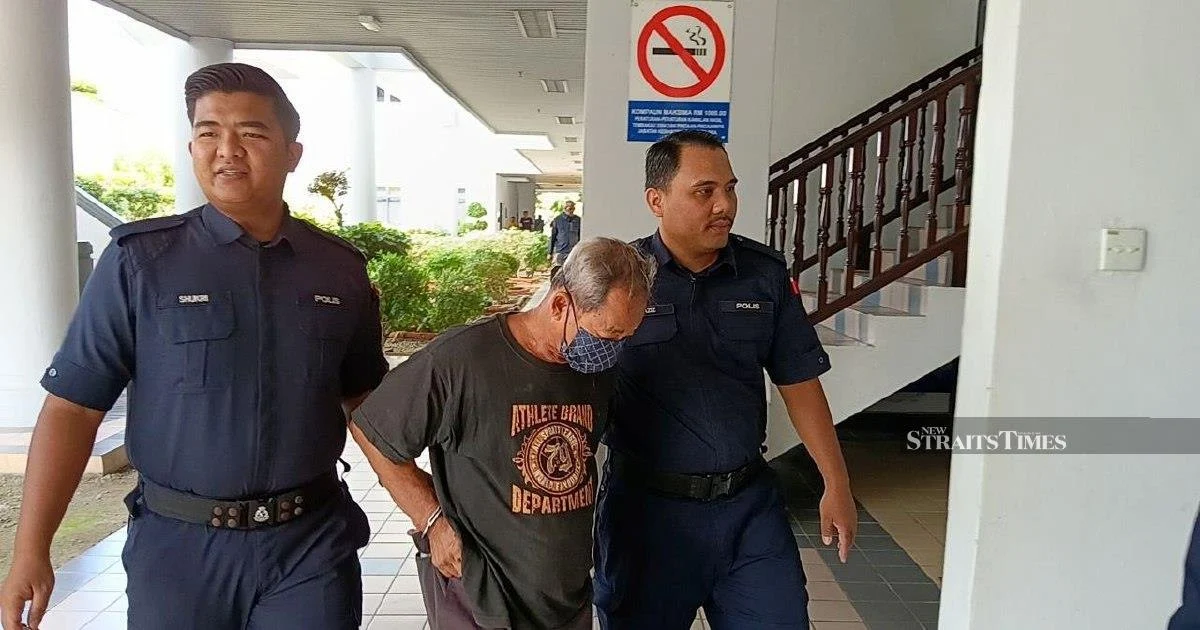
A senior citizen made an appearance at the Ayer Keroh Sessions Court in Melaka today to face allegations of a deeply serious nature, with prosecutors lodging two separate charges relating to physical sexual assault involving two young girls attending primary school. The gravity of the charges underscores renewed concerns about the safety of children in community spaces, particularly religious institutions that are traditionally viewed as sanctuaries for worship and learning.
The case has brought into sharp focus the vulnerability of minors within environments where they should feel secure and protected. Mosques and religious educational spaces across Malaysia have long served as centres not only for spiritual guidance but also as venues where children gather for Quranic studies and community activities. This incident, alleged to have occurred within a mosque storeroom, highlights an uncomfortable reality that safeguarding mechanisms in such facilities require constant evaluation and strengthening.
The charges filed represent a formal accusation at an advanced stage of the criminal justice process. The court proceedings now ahead will determine the veracity of the allegations and the appropriate response under Malaysian law. The involvement of primary schoolchildren, who are among the most vulnerable members of society, has compounded public concern about child safety protocols in communal spaces across the country.
Court appearances in cases involving allegations against minors typically occur with heightened procedural protections to safeguard the identities and privacy of the young victims. Malaysian judicial processes in such matters are designed to balance the pursuit of justice with the emotional and psychological wellbeing of affected children, recognising that involvement in legal proceedings can itself be traumatic for young witnesses and victims.
The case serves as a critical reminder for parents, school administrators, and community leaders about the necessity of implementing comprehensive child protection measures. While the overwhelming majority of individuals in positions of access to children maintain exemplary conduct, the existence of such allegations necessitates robust background screening, training, and supervisory structures to prevent abuse and create reporting mechanisms that children and parents feel confident using.
Malaysia has strengthened various child protection initiatives in recent years, including amendments to legislation addressing offences against minors and enhanced reporting protocols across educational and religious institutions. However, enforcement consistency and awareness remain areas requiring continuous improvement across all states and federal territories, as community standards and implementation capacity vary across the nation.
The Sessions Court jurisdiction reflects the seriousness of the allegations, as these are not minor infractions but offences regarded as substantial under the Malaysian legal code. If evidence supports the charges, sentencing guidelines for such offences typically contemplate custodial terms proportionate to the severity and circumstances of the conduct in question.
For the affected families, this court process represents a significant undertaking, as they navigate both the emotional burden of their children's experiences and the demands of participating in formal legal proceedings. Support services, including counselling provided through the government health system and civil society organisations, become essential in helping young victims process trauma and rebuild their sense of safety.
The broader community context in Melaka, as in other Malaysian states, will inevitably be affected by news of such allegations. These cases often prompt community conversations about institutional accountability and the necessity for vigilance regarding child safety. Religious organisations frequently respond to such incidents with reviews of their operational procedures and enhanced training for those working with young people.
Legal observers and child welfare advocates across Southeast Asia view such cases as test cases for the efficacy of local judicial systems in protecting vulnerable populations. Malaysia's handling of this matter will contribute to broader understanding of how the country's courts and law enforcement agencies manage complex cases involving child victims and the balance they strike between prosecution, victim protection, and procedural fairness for the accused.
The court proceedings ahead will unfold according to the established rules of evidence and procedure governing Sessions Court trials in Malaysia. Prosecution and defence will present their respective cases, and the judge will make determinations based on the evidence adduced during the trial phase. This process, while necessary and fundamental to justice, typically extends over months as various procedural requirements are satisfied.
As this case progresses, it reinforces the importance of community vigilance and institutional responsibility. Parents are urged to maintain open communication with their children about their experiences in community spaces, schools, and religious institutions. Educational campaigns by authorities and civil society groups continue to remind Malaysians about reporting mechanisms available to those with concerns about child safety, whether through police, social welfare departments, or dedicated hotlines established for this purpose.

