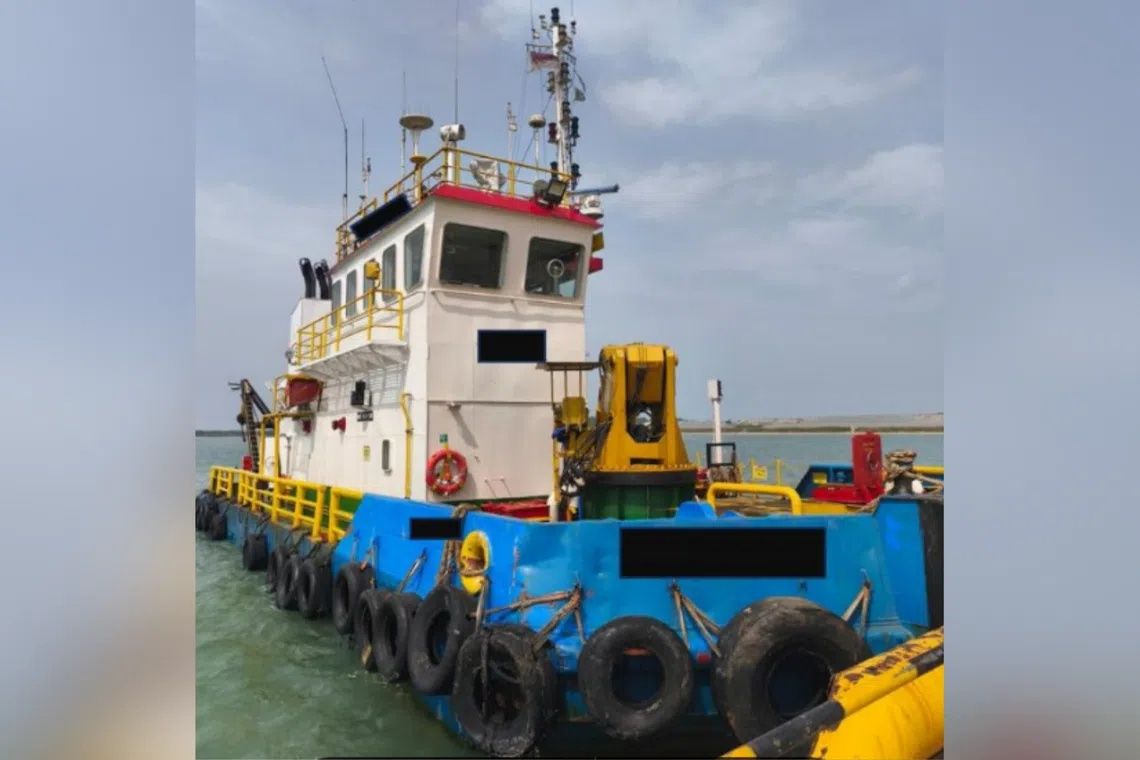
Singapore's Police Coast Guard has arrested eight men following an operation targeting fuel theft in waters off Tuas, with the suspects set for court appearances on Friday, August 14. The men, aged between 25 and 54, were apprehended during a routine check conducted on a Singapore-registered tugboat at approximately 1:05 am on August 13, marking the latest in a series of enforcement actions against illicit maritime activities in the region.
According to preliminary investigations, the arrested individuals worked as crew members aboard the tugboat and allegedly siphoned marine gas oil worth approximately S$10,570 without authorization from their employer. Rather than reporting the loss or accident, the men proceeded to sell the stolen fuel independently for personal profit, exploiting their positions of trust and access to the vessel's fuel supplies. The scheme went undetected until the routine police inspection uncovered discrepancies in the vessel's fuel inventory records.
The charges these men now face carry significant legal consequences. They are to be prosecuted under the offense of theft by servant of property in possession of master, a statute designed specifically to address breaches of trust by employees who steal from their employers. Conviction carries penalties including both fines and imprisonment of up to seven years, reflecting the serious view taken by Singapore authorities toward such breaches of maritime employment relationships.
The incident highlights a persistent vulnerability in Singapore's maritime sector, where crews with legitimate access to valuable cargo face significant temptation to monetize their proximity to high-value marine products. Marine gas oil, a refined petroleum product used as fuel for shipping vessels and power generation, commands consistent market demand and fetches readily available prices through informal channels. The relatively modest value of the allegedly stolen fuel in this instance suggests that such petty pilferage may be more common than publicly prosecuted cases indicate.
Singapore's strategic position as a major global maritime hub and one of the world's busiest ports makes it particularly vulnerable to organized maritime crime and individual acts of opportunistic theft. The Port of Singapore handles thousands of vessels monthly, and with vast quantities of fuel, lubricants, and other marine products transiting through its waters, maintaining security presents an ongoing challenge. The Police Coast Guard's enforcement capacity, while substantial, must contend with the sheer volume of maritime traffic passing through Singapore territorial waters.
For regional shipping operators and maritime industries across Southeast Asia, this case underscores the importance of rigorous inventory controls, crew vetting, and security protocols aboard vessels. Companies operating in Singapore waters and throughout the region must implement robust monitoring systems to detect unauthorized removal of fuel and cargo. The economic losses from such theft, when aggregated across the shipping industry, represent millions of dollars annually in unrecovered assets and insurance claims.
The police statement emphasizing commitment to preventing illegal fuel transactions in Singapore territorial waters reflects broader security concerns beyond simple theft. Illicit marine gas oil transactions can involve smuggling networks, tax evasion, and connections to organized crime syndicates that exploit maritime corridors for moving contraband goods. By targeting crew-level theft, authorities aim to disrupt supply chains that feed into larger criminal enterprises operating throughout Southeast Asian waters.
The timing and method of detection in this case—a routine check during night hours—suggests that police operations maintain unpredictable patterns designed to prevent criminal networks from establishing predictable windows for illegal activity. The early morning timing of the initial inspection indicates that enforcement efforts extend across all hours, acknowledging that maritime theft and smuggling operations often concentrate during late-night periods when visibility is reduced and detection likelihood appears lower.
For Malaysian maritime authorities and shipping companies, this enforcement action in neighboring Singapore serves as a reminder of comparable vulnerabilities in Malaysian territorial waters. The Strait of Malacca, which borders Malaysia and represents one of the world's most critical shipping lanes, has historically experienced maritime crimes including fuel theft and vessel hijackings. Malaysian port authorities and maritime operators must maintain heightened vigilance and implement industry standards that prevent similar incidents.
The case also raises questions about crew training and workplace culture aboard merchant vessels operating in the region. Beyond punitive legal consequences, shipping companies increasingly recognize the need for proactive measures including crew education about the legal and employment consequences of theft, regular security audits, and systems that discourage opportunistic crime through transparency and accountability. Creating maritime workplaces where such crimes appear unlikely to succeed represents a more sustainable prevention strategy than enforcement alone.
Looking forward, the prosecution of these eight men will likely attract attention from shipping industry associations across the region, potentially prompting discussions about standardized security protocols and information-sharing arrangements between maritime authorities in Singapore, Malaysia, Indonesia, and other Southeast Asian nations. As global supply chains grow increasingly complex and maritime trade volumes continue expanding, preventing employee theft and organized maritime crime requires coordinated regional approaches that extend beyond individual port authorities.
The incident demonstrates that Singapore's maritime security apparatus remains vigilant in detecting and responding to criminal activity, maintaining enforcement operations across its territorial waters regardless of incident scale. Whether addressing high-value container theft or individual crew members selling fuel, authorities apply consistent investigative standards and prosecution resources. This comprehensive approach to maritime law enforcement, applied consistently across incident categories, contributes to Singapore's reputation as a secure maritime jurisdiction and helps deter potential offenders throughout the region.

