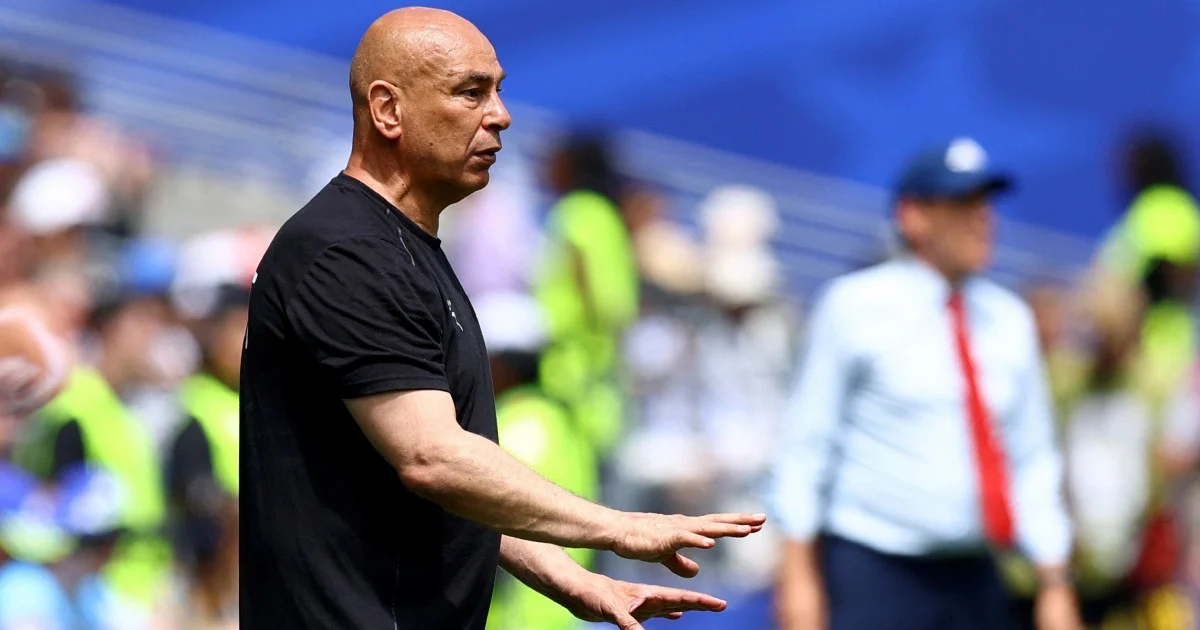
Hossam Hassan has moved to quell speculation regarding potential friction within Egypt's World Cup squad, particularly concerning the involvement of Liverpool forward Mohamed Salah, as the North African nation gears up for a decisive encounter against New Zealand. Speaking ahead of Sunday's Group G fixture at BC Place in Vancouver, Canada, the Egyptian coach categorically denied any discord, framing the narrative instead as a unified, focused team eager to make a significant impact at the tournament.
The appearance of tension surrounding Salah comes at a particularly sensitive juncture for Egyptian football. The Mediterranean champions have historically struggled to convert their considerable talent into sustained World Cup performances, and this campaign represents a genuine opportunity to challenge deeper into the competition than they have managed in recent editions. Salah's form and fitness have been subject to scrutiny throughout the tournament preparation period, making Hassan's public reassurance significant both for squad morale and external perception of the team's internal dynamics.
For Malaysian observers and Southeast Asian football followers, Egypt's trajectory in this World Cup carries broader regional significance. The African football powerhouse's performance influences the continental balance and shapes narratives about non-European football quality on the global stage—narratives that resonate particularly strongly in a region where national teams continually strive for recognition and advancement. Egypt's struggle or success becomes a barometer for emerging football nations elsewhere.
Hassan's insistence on squad cohesion reflects the delicate psychology required when managing elite athletes with individual sponsorship obligations, national expectations, and club commitments all intersecting at a World Cup. The Pharaohs enter their match against New Zealand seeking to secure crucial points that would substantially improve their prospects of advancing from the group stage. New Zealand, despite being perceived as the weaker opposition on paper, represents a team capable of competing and frustrating larger nations, particularly given their demonstrated resilience in previous World Cup competitions.
The Egypt coach's strategic communication emphasises that external narratives about supposed rifts distract from the football itself. By publicly dismissing reports of internal disharmony, Hassan attempts to establish a media environment conducive to concentration and performance. Such statements serve a dual purpose: they reassure the domestic Egyptian audience that all remains well within the camp while simultaneously signalling to the playing staff that discussion of conflict carries no legitimacy within the official team framework.
Mohamed Salah's presence in this World Cup itself represents a minor miracle for Egyptian football. The 31-year-old forward has endured a frustrating injury-interrupted season at club level, yet his availability and commitment to represent Egypt underscores his priorities despite the personal risks of aggravating existing issues during an intensive tournament schedule. His importance to Egyptian attacking play cannot be overstated; Salah remains the creative and goalscoring fulcrum around which Egyptian strategy fundamentally revolves.
The timing of Hassan's clarifications is noteworthy given the competitive intensity of the group stage. Every match becomes pivotal, every tactical decision subject to intense scrutiny, and every player's form and attitude analysed exhaustively. In such an environment, managing not just the players' physical condition but their psychological wellbeing and sense of collective purpose becomes as crucial as any tactical preparation. Hassan's public comments attempt to construct a protective bubble around his team, one where internal discussion remains private and public messaging remains unified.
World Cup Group G contains competitive teams at varying stages of tournament experience and aspiration. New Zealand arrives with their own ambitions and tactical preparations, while Egypt carries the weight of continental expectation. Southeast Asian nations have watched with keen interest how African representatives navigate World Cup group stages, particularly when facing theoretically weaker opposition that can nonetheless prove troublesome. The unpredictability of knockout tournaments means that momentum and psychological advantage become genuine factors in determining outcomes.
Hassan's comments also implicitly address the international media's tendency toward sensationalism in World Cup coverage. Stories of squad discord generate clicks and column inches, yet rarely reflect the complete complexity of modern team environments. By actively countering such narratives, the Egyptian coach demonstrates awareness of how media discourse can influence perceptions both domestically and internationally, potentially affecting team morale or creating unnecessary distractions.
Egypt's football development remains a priority for the nation, and this World Cup represents a significant stage for demonstrating progress both in tactical sophistication and psychological resilience. The challenge against New Zealand will serve as an important barometer of whether Hassan's squad can translate their individual talent into cohesive team performance. The coach's confidence in dismissing talk of division suggests genuine belief in his squad's mental fortitude and commitment to achieving something remarkable on the global stage.
%22%2F%3E%3C%2Fpattern%3E%3C%2Fdefs%3E%3Crect%20width%3D%22100%25%22%20height%3D%22100%25%22%20fill%3D%22url(%23ph4zavbg)%22%2F%3E%3Crect%20width%3D%22100%25%22%20height%3D%22100%25%22%20fill%3D%22url(%23ph4zavbp)%22%2F%3E%3Ctext%20x%3D%2250%25%22%20y%3D%2250%25%22%20text-anchor%3D%22middle%22%20dominant-baseline%3D%22central%22%20fill%3D%22rgba(255%2C255%2C255%2C0.95)%22%20font-family%3D%22Georgia%2C%20'Times%20New%20Roman'%2C%20serif%22%20font-weight%3D%22700%22%20font-size%3D%22272%22%20letter-spacing%3D%22-0.02em%22%3EASEAN%3C%2Ftext%3E%3C%2Fsvg%3E)

%22%2F%3E%3C%2Fpattern%3E%3C%2Fdefs%3E%3Crect%20width%3D%22100%25%22%20height%3D%22100%25%22%20fill%3D%22url(%23ph359w1g)%22%2F%3E%3Crect%20width%3D%22100%25%22%20height%3D%22100%25%22%20fill%3D%22url(%23ph359w1p)%22%2F%3E%3Ctext%20x%3D%2250%25%22%20y%3D%2250%25%22%20text-anchor%3D%22middle%22%20dominant-baseline%3D%22central%22%20fill%3D%22rgba(255%2C255%2C255%2C0.95)%22%20font-family%3D%22Georgia%2C%20'Times%20New%20Roman'%2C%20serif%22%20font-weight%3D%22700%22%20font-size%3D%22226%22%20letter-spacing%3D%22-0.02em%22%3EPenang%3C%2Ftext%3E%3C%2Fsvg%3E)