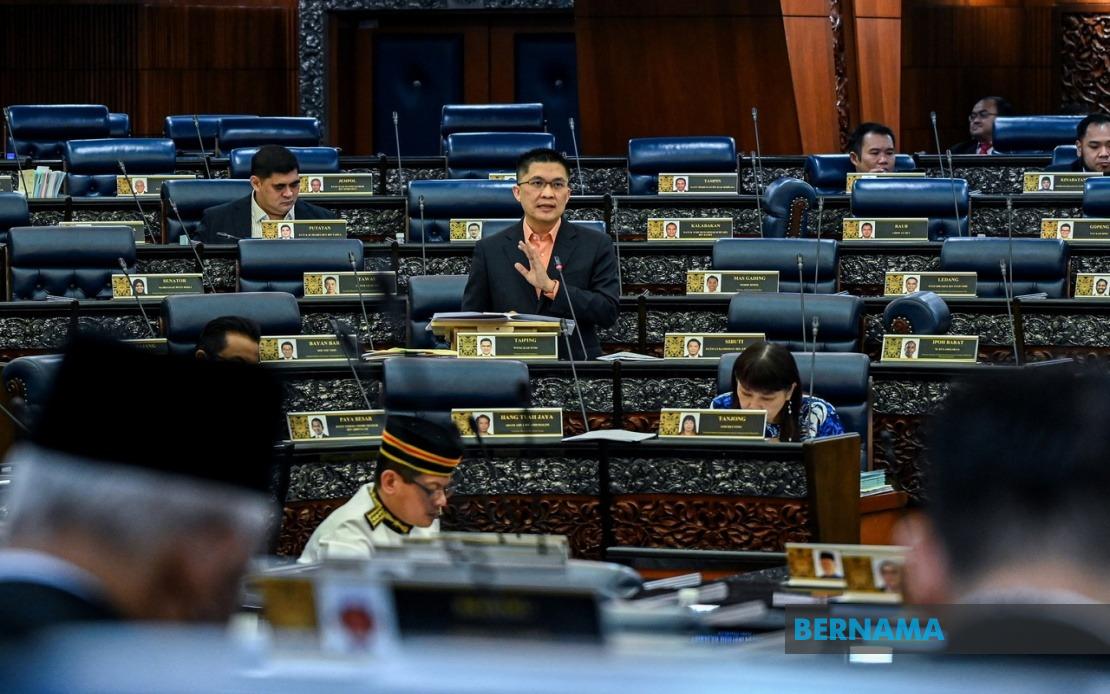
The Ministry of Education has committed to systematically closing the digital divide between Malaysian schools through comprehensive infrastructure development and technology deployment under the Malaysia Education Blueprint (RPM) 2026-2035. Deputy Education Minister Wong Kah Woh outlined the strategy during parliamentary proceedings, emphasising that educational institutions nationwide—whether in densely populated cities or remote rural communities—will receive targeted upgrades to ensure comparable digital learning environments.
At the core of this initiative lies a commitment to universal broadband connectivity. The ministry intends to equip all schools with high-speed internet access using technology solutions tailored to local geographical and infrastructural conditions. This nuanced approach recognises that rural schools often face unique challenges requiring different connectivity solutions than urban counterparts, whether through satellite infrastructure, fibre-optic cabling, or hybrid approaches. By customising deployment strategies, the ministry aims to move beyond one-size-fits-all solutions that have historically failed disadvantaged communities.
A central pillar of the digital education agenda is the Digital Educational Learning Initiative Malaysia (DELIMa) platform, which serves as a comprehensive repository of curriculum-aligned digital learning materials accessible to both educators and pupils. The ministry has prioritised uploading instructional content, interactive resources, and supplementary materials to this centralised system, creating a unified digital ecosystem that schools can access once connectivity is established. This represents a significant shift toward standardised, quality-assured digital content rather than fragmented, classroom-level initiatives.
The government's baseline measurement reveals substantial progress under the previous Malaysian Education Development Plan (PPPM) 2013-2025. Performance disparities between urban and rural students in the 2024 Sijil Pelajaran Malaysia (SPM) examination narrowed considerably, with the average grade gap shrinking by 26.23 per cent. These improvements extend beyond geography: gender-based achievement gaps in SPM certification eligibility declined by 52.78 per cent, while socioeconomic status disparities fell by 57.75 per cent. These figures suggest that targeted interventions addressing infrastructure, teacher capacity, and resource allocation can meaningfully alter educational outcomes across Malaysia's diverse student populations.
Building on this foundation, the ministry plans continued strategic investment in physical infrastructure. Dilapidated school buildings will receive priority upgrading based on assessed local needs, with the understanding that crumbling facilities undermine pedagogical effectiveness regardless of digital resources available. This integrated approach—combining facility renovation, connectivity enhancement, and digital resource deployment—addresses the reality that educational quality depends on multiple interconnected factors rather than technology in isolation.
Digital competency standards form another essential component. The ministry has established benchmarks requiring all students to achieve at least intermediate proficiency in digital skills, measured through the Digital Competency Score framework. This standardised assessment ensures that digital literacy development receives comparable emphasis across disparate school settings and provides measurable accountability for digital education outcomes. Without such standards, regional variations in instructional quality could perpetuate the very inequities the blueprint seeks to eliminate.
Equitable resource distribution represents a crucial mechanism for bridging persistent divides. The ministry has committed to fairly allocating digital devices and educational materials across all schools, explicitly targeting the closure of access gaps between urban and rural locations. This commitment acknowledges that rural schools have historically received lower per-capita resource allocation, creating cumulative disadvantage over time. Deliberate redistribution policies aim to correct this imbalance.
Complementing infrastructure and resource measures, the ministry recognises that teacher wellbeing directly influences educational delivery. Seven measures introduced since 2023 continue receiving strengthened focus, notably eliminating redundant administrative documentation requirements that consume instructional preparation time. When teachers spend hours on overlapping record-keeping rather than curriculum development or student engagement, educational quality inevitably suffers. By reducing unnecessary bureaucratic burden, the ministry frees educator capacity for pedagogically productive activities.
For Malaysian observers, these developments carry significant implications. A digitally divided education system threatens national economic competitiveness in an increasingly technology-dependent global marketplace. Students lacking digital literacy skills face narrowed employment prospects in sectors requiring technological fluency. The RPM 2026-2035's focus on universal digital access thus represents not merely equity-driven policy but strategic national investment in human capital development. Southeast Asian context proves relevant here: neighbouring nations pursuing aggressive digital education strategies may capture regional advantages in technology-sector employment if Malaysia fails to maintain comparable digital literacy standards across its student population.
The quantified improvements under PPPM 2013-2025 demonstrate that Malaysian education policy can effectively narrow historically persistent achievement gaps through sustained, structured intervention. However, translating these achievements into broader digital competency requires continued political commitment and adequate budget allocation. Infrastructure projects, particularly rural broadband deployment, frequently encounter cost overruns and implementation delays. The ministry must navigate these practical challenges while maintaining momentum toward the 2026-2035 blueprint's aspirational goals.
Looking forward, the blueprint's success will ultimately depend on execution quality across multiple institutional levels. Ministry headquarters cannot single-handedly ensure that rural schools receive promised connectivity upgrades, that DELIMa platform content meets pedagogical standards, or that teachers consistently utilise digital tools effectively in classrooms. State education departments, school administrators, and teacher professional development programmes must align around shared digital transformation objectives. This requires coordination across governance levels that Malaysian educational bureaucracy has historically struggled to maintain.
The stated intention to monitor digital competency through standardised assessment frameworks offers potential for continuous improvement, provided results feed back into targeted support for underperforming schools rather than merely producing statistical reports. Schools struggling with digital implementation require diagnostic assistance, additional resource allocation, and professional development tailored to their specific challenges. Whether the ministry establishes such responsive support mechanisms remains an open question.

