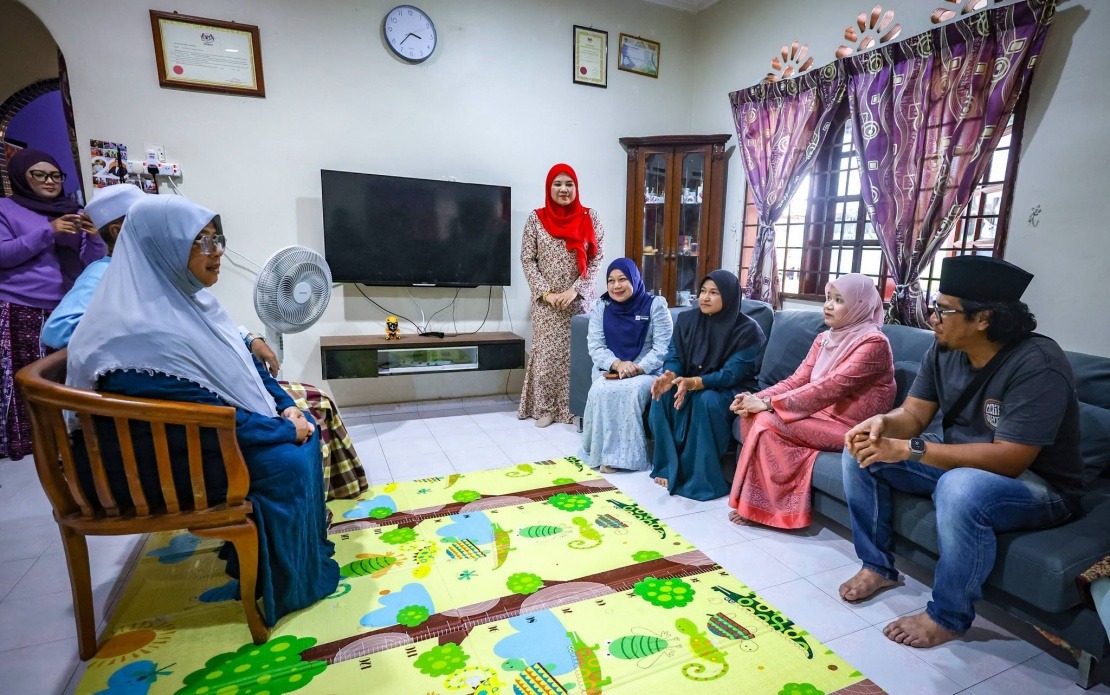
Education Minister Fadhlina Sidek made a condolence visit to the family of Muhammad Raiyan Nufael, a Form Two student who died after suffering a collapse during a rugby training session at a school in Telok Mas, Melaka. The tragic incident occurred on Wednesday evening around 6 pm, prompting the minister's visit on behalf of the Ministry of Education to express official sympathies to the bereaved parents and extended family members.
In announcing the visit through a Facebook post, Minister Sidek offered words of comfort to those left behind, invoking religious sentiments appropriate to the gravity of the loss. She prayed that the soul of the deceased would find peace among the righteous and that the family would be granted the strength and composure needed to endure this devastating period. The gesture underscored the ministry's commitment to supporting families affected by unexpected tragedies involving students under its purview.
Accounts of the incident indicate that the 14-year-old student had only been engaged in rugby training for approximately 15 minutes before the medical emergency unfolded. The collapse occurred during what should have been a routine break in the training session, as the athlete was listening to instructions being delivered by the coach. The sudden onset of respiratory distress proved to be the initial warning sign of a more serious underlying condition that would ultimately claim the young student's life.
The circumstances surrounding the death raise important questions about student safety during physical education and sports activities in Malaysian schools. Rugby, as a contact sport, carries inherent physical demands and risks that institutions must carefully manage through proper medical screening, qualified supervision, and emergency preparedness protocols. The rapid deterioration of the student's condition within such a short timeframe suggests that underlying health factors may have played a significant role, though the exact cause would require medical investigation.
This incident reflects broader concerns within Southeast Asian educational systems regarding the adequacy of health screening procedures before students participate in competitive or vigorous sports programmes. Many schools in the region operate with limited resources for pre-participation medical examinations, creating potential gaps in identifying students with cardiac or respiratory conditions that could be triggered by intense physical exertion. Parents and educators increasingly scrutinise whether current safeguards are sufficient to protect young athletes.
The timing of the collapse during a coaching briefing rather than active play adds another dimension to the tragedy. Students are typically considered safer during instructional pauses, making this occurrence particularly unexpected and highlighting how medical emergencies can strike without warning, regardless of the intensity of activity at any given moment. This unpredictability underscores the critical importance of having trained medical personnel present at training sessions, not merely at official matches.
For the broader Malaysian education community, this incident serves as a sobering reminder of the responsibility schools bear in duty of care towards their student athletes. While physical education and organised sports offer tremendous benefits for youth development, fitness, and character building, the programmes must be underpinned by robust safety frameworks. These should include comprehensive medical clearances, age-appropriate training protocols that account for physical development stages, and immediate access to emergency medical response capabilities.
The ministry's response through a ministerial-level visit signals that such matters receive serious attention at the highest levels of educational governance. This approach aims to reinforce to schools throughout the country that student welfare during sports activities is not a peripheral concern but a central priority. The symbolic importance of such visits extends beyond immediate family support to communicate institutional accountability to the wider parent and student population.
Investigations into the precise cause of death will likely take time, as pathological examinations and medical reviews are conducted. Until conclusions emerge, speculation about potential causative factors—whether cardiac arrest, heat exhaustion, undiagnosed respiratory conditions, or other medical phenomena—remains premature. What is certain is that the sudden loss of a young life during what should have been a routine school activity has shaken families and educators alike.
The broader implications for sports programmes in Malaysian schools merit careful consideration by administrators and policymakers. While maintaining enthusiasm for competitive sports and physical development, institutions must invest in preventive health measures, staff training in emergency response, and transparent communication with parents about potential risks. Regional counterparts in Singapore, Indonesia, and Thailand have implemented varying standards for pre-participation screening and emergency protocols, offering potential models for Malaysia to examine.
For the family of Muhammad Raiyan Nufael, the loss represents an irreplaceable tragedy that no official visit, however well-intentioned, can meaningfully ameliorate. Yet the ministry's acknowledgement of their grief through ministerial engagement provides some measure of institutional recognition of their suffering. The memory of the student and the circumstances of his death may yet catalyse meaningful improvements in safety standards that benefit countless young athletes across the nation.

