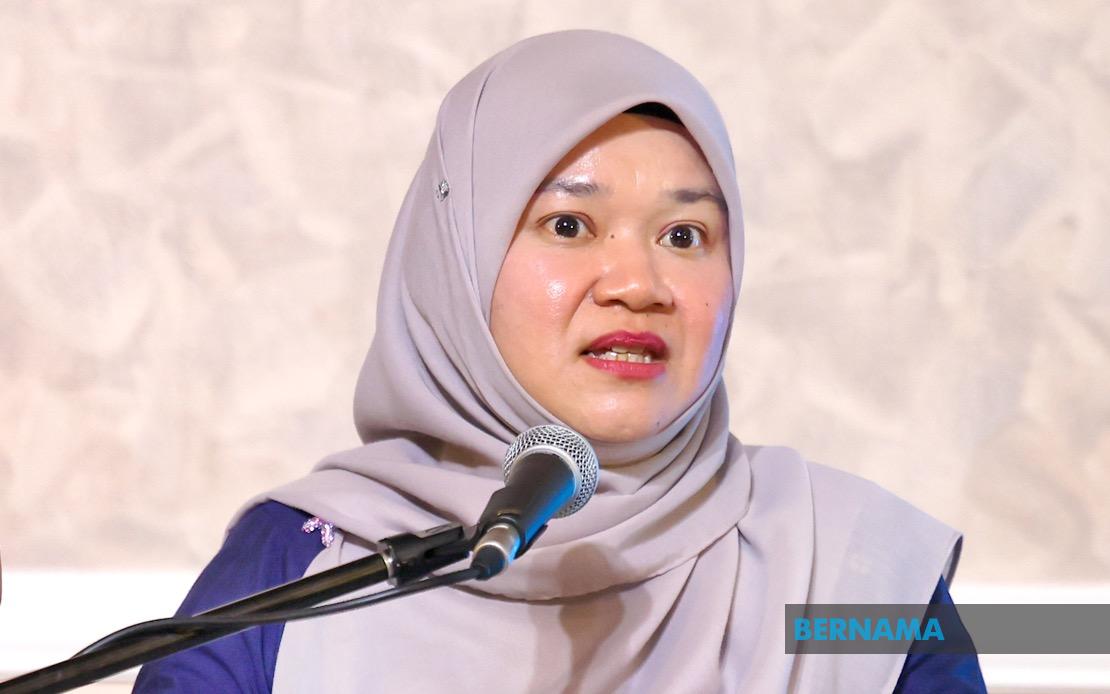
Malaysia's Education Minister and Parti Keadilan Rakyat (PKR) Wanita chief Fadhlina Sidek has taken legal action against those responsible for distributing an artificial intelligence-generated video that makes unfounded claims about her. The emergence of such deepfake content represents a troubling evolution in Malaysian political discourse, where technology is weaponised to undermine public figures, particularly women in positions of authority.
Fadhlina issued a statement expressing dismay at the video's circulation, characterising the campaign as deliberately harmful and designed to erode her standing. She stressed that the dissemination represents a coordinated attempt to compromise both her professional reputation and personal character. The minister's decisive response underscores the gravity of the situation and signals her determination to pursue accountability through formal legal channels.
The filing of a police report marks an important moment in Malaysia's handling of digital disinformation and image-based abuse. Authorities now face the responsibility of investigating the origins of the deepfake content, identifying those involved in its creation and distribution, and determining which existing legal frameworks apply. This case will likely set precedent for how Malaysian law enforcement approaches technologically sophisticated forms of character assassination in the political sphere.
Fadhlina's call for all stakeholders to adopt a unified stance against slander, character assassination, and sexual harassment targeting female politicians reflects broader concerns about the safety and dignity of women in public life across Southeast Asia. Women politicians in the region frequently face disproportionate levels of abuse, including gendered attacks that male counterparts rarely experience. The normalisation of such attacks, whether through traditional means or AI-generated content, creates an inhospitable environment for women's political participation.
The use of artificial intelligence to fabricate compromising material represents a dangerous frontier in political warfare. Unlike conventional rumours or edited images, deepfakes possess a sophisticated veneer of authenticity that makes them particularly effective at deceiving audiences. This technology democratises the ability to create convincing false evidence, meaning bad actors no longer require significant technical expertise or resources to launch coordinated disinformation campaigns.
Malaysia's existing legal framework includes provisions under the Penal Code and Communications and Multimedia Act that address defamation, obscenity, and false statements. However, the rapid evolution of deepfake technology has outpaced many legislative structures, creating ambiguities about how traditional offences apply to AI-generated content. Investigators must navigate questions about whether creation and distribution of deepfakes constitute criminal defamation, harassment, or other offences, and what evidence thresholds apply.
The political environment has become increasingly hostile to women candidates and office-holders, with research documenting how online abuse intensifies during election cycles and policy debates. Female politicians report receiving threats, sexually explicit comments, and doctored images at rates far exceeding their male colleagues. This asymmetric pattern of harassment functions as a barrier to entry and retention, potentially skewing Malaysia's political representation.
For the Malaysian public and regional observers, this incident raises important questions about digital literacy and critical consumption of online content. As AI-generated videos become increasingly convincing, citizens must develop enhanced capacity to verify information sources and recognise manipulated media. Schools, media organisations, and technology platforms all bear responsibility for promoting media literacy that helps people distinguish authentic content from fabrications.
The broader implications extend beyond Fadhlina's individual case to encompass systemic vulnerabilities in Malaysia's information ecosystem. Political rivals, extremist groups, foreign actors, or other malicious stakeholders could exploit deepfake technology to destabilise democratic processes, undermine public trust in institutions, or manipulate electoral outcomes. The country requires comprehensive strategies addressing technology regulation, platform responsibility, digital literacy, and law enforcement capacity.
Fadhlina's willingness to pursue formal legal action rather than dismissing the video signals important leadership on this issue. Her public statements emphasising the need for societal consensus against harassment of women politicians create space for broader conversation about protecting democratic participation. Similarly, her invocation of law enforcement sends a message that such attacks carry consequences, potentially deterring similar behaviour.
Moving forward, Malaysian policymakers should consider whether existing legislation adequately addresses AI-generated defamatory content, or whether targeted amendments would strengthen protections. International cooperation will likely prove essential, as deepfakes can be created and distributed across borders with relative ease. Additionally, technology platforms operating in Malaysia bear responsibility for detecting and removing such content, though their current mechanisms remain inadequate for identifying sophisticated deepfakes.
The investigation into this matter will unfold under public scrutiny, with outcomes likely to influence how future cases of digitally fabricated content are handled. Whether authorities can identify perpetrators, what charges prove applicable, and how courts ultimately rule will establish precedent affecting women politicians' security and the feasibility of online defamation campaigns. In the interim, Fadhlina's case serves as a stark reminder that Malaysia's digital political landscape contains serious risks to democratic values and individual dignity.