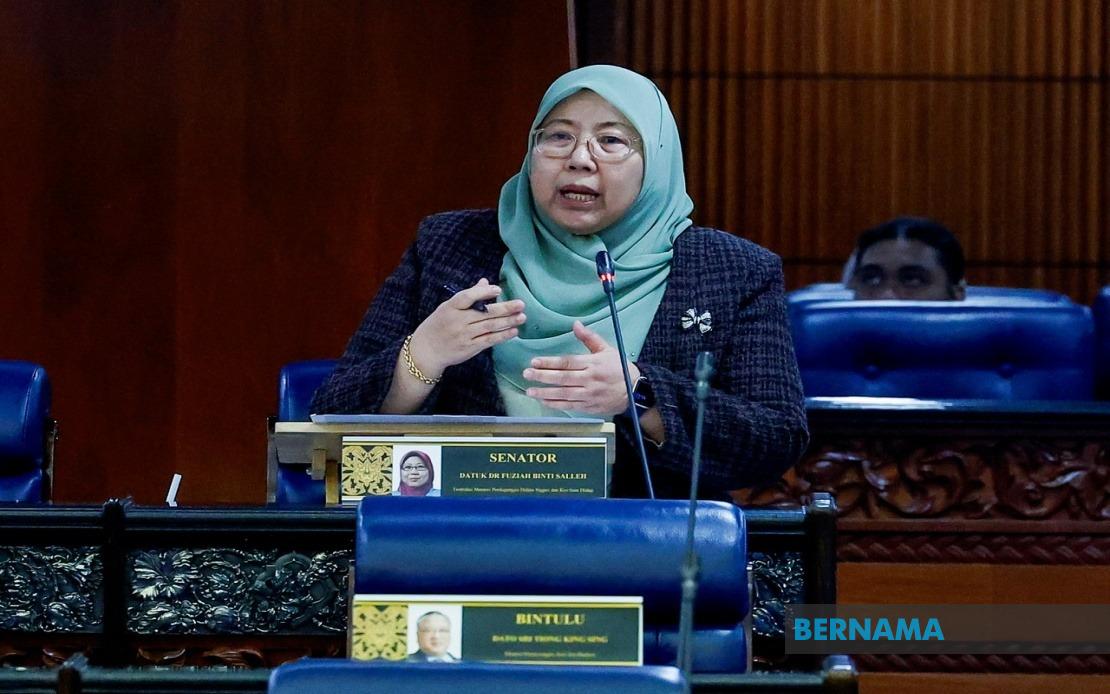
Malaysia's digital initiative to protect its subsidised cooking oil programme is showing measurable results, according to Deputy Domestic Trade and Cost of Living Minister Datuk Dr Fuziah Salleh, who presented performance metrics to Parliament this week. The eCOSS mobile application, formally known as the Cooking Oil Price Stabilisation Scheme, has been operational since May last year and is achieving its dual objectives of maintaining reliable supply for eligible citizens while preventing unauthorised access by foreign nationals.
The ministry has identified two primary measures to evaluate the system's performance. Steady availability of subsidised one-kilogramme packets in retail outlets and the relatively low volume of consumer grievances both indicate the technological solution is functioning as designed. These indicators matter particularly in Malaysia's context, where subsidy programmes frequently face challenges related to black-market diversion and hoarding that inflate costs for ordinary households and undermine government spending efficiency.
As of early July, the application had attracted 5.261 million registered Malaysian users, with monthly consumption of subsidised cooking oil stabilising at approximately 18 million packets across the nation. This level of uptake suggests substantial citizen engagement with the platform despite the ongoing digital divide affecting parts of the population. The data demonstrates that a meaningful proportion of Malaysia's households have embraced the digital verification mechanism, reducing the friction points where leakage traditionally occurred.
Johor's experience offers a particularly instructive case study, having served as one of the pilot jurisdictions for the eCOSS rollout. Within the state, 580,000 consumers have downloaded the application while 1,093 of the 2,822 registered retailers have integrated it into their operations. The complaint statistics are striking: grievances regarding cooking oil shortages dropped from nine instances in June 2025 to merely two complaints in June of the current year. This dramatic reduction suggests that retailers have better visibility into supply flows and customers face fewer situations where shelves are bare.
Addressing legitimate concerns that technology-dependent systems might disadvantage elderly citizens and residents in rural and remote locations with limited digital literacy, the ministry has implemented supplementary support mechanisms. Retail outlets now offer in-store assistance for consumers navigating the application, while public education campaigns and instructional videos have been distributed through multiple channels. Critically, the ministry has retained the option for consumers without smartphones to make manual purchases, ensuring that digital advancement does not create new categories of exclusion within the subsidy framework.
The eCOSS mobile application functions as the final-mile component of a broader tracking architecture encompassing the entire supply chain. This integrated approach provides visibility spanning from refineries through repackaging facilities and wholesalers to individual retailers and end consumers. By establishing transparent data flows across these nodes, authorities gain real-time intelligence about product movement, making it substantially more difficult for goods to disappear into informal channels or cross borders without detection. The system creates what economists would term an audit trail that disincentivises diversion at each stage.
Separately from the application layer, the ministry continues conventional enforcement activities targeting the unlawful distribution of subsidised products. However, these parallel operations draw intelligence from the monitoring data and consumer feedback generated through the eCOSS platform itself. This combination of technological oversight and regulatory action creates a more comprehensive deterrent against leakage than either approach could achieve independently. The ministry is actively soliciting user feedback to refine implementation details, indicating a commitment to adaptive governance rather than static system deployment.
The success of Malaysia's eCOSS initiative carries implications extending beyond cooking oil management. Subsidised essential goods frequently represent a complex policy challenge across Southeast Asia and the developing world. Governments must balance affordability objectives for vulnerable populations against fiscal pressures and the perverse incentives that price controls inadvertently create. Mobile-based verification and tracking systems offer a technological pathway for achieving these competing objectives simultaneously, potentially serving as a template for other commodity programmes.
For Malaysian consumers, the application's effectiveness translates into tangible benefits. Households relying on subsidised cooking oil for routine food preparation can anticipate more reliable availability without queuing or hoarding behaviour. The reduction in shortage complaints particularly benefits lower-income households and senior citizens who may lack flexibility to shop when supplies are adequate or travel to alternative retailers. By maintaining subsidy accessibility specifically for Malaysian citizens while reducing the taxation burden created by leakage to smugglers or foreign purchasers, the programme operates with greater equity and fiscal efficiency than prior arrangements.
The ministry's disclosure that 1,093 retailers in Johor have activated eCOSS functionality, representing roughly 39 percent of the state's registered dealers, suggests continued room for expansion. Increasing merchant adoption would further tighten supply-chain visibility and reduce friction points where unauthorised distribution might still occur. Training programmes and operational support to encourage additional retailer registration represent logical next steps, particularly in states where uptake remains below Johor's levels.

