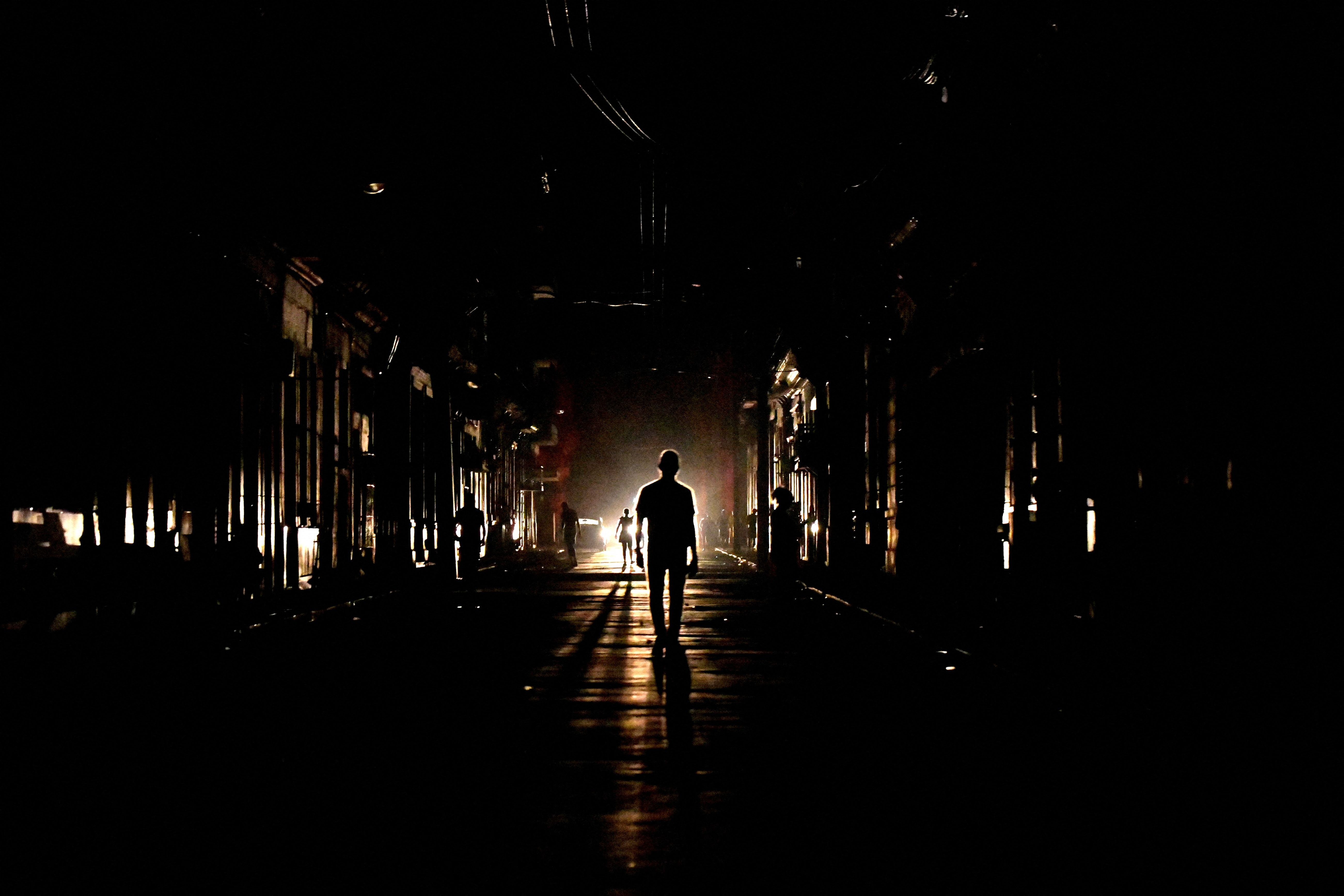
A massive power failure swept across eastern Libya on Thursday evening, leaving Benghazi and surrounding communities without electricity for several hours. The blackout, one of several infrastructure crises to grip the country in recent weeks, highlighted the fragility of Libya's power systems and the challenges facing the nation's competing administrations in managing basic public services.
Witness accounts and local media coverage documented the extensive scope of the outage. Entire neighbourhoods in Benghazi, Libya's largest city in the east, fell into darkness, whilst similar conditions prevailed in the town of Marj and communities across the broader eastern region. The simultaneous failure across such a wide geographical area suggested a systemic problem rather than isolated technical faults, raising questions about the resilience of Libya's electricity generation and distribution infrastructure.
The Electricity Ministry of Libya's eastern-based government, which operates under the authority of the House of Representatives and maintains administrative control over the Benghazi region, gradually mobilised recovery efforts. Within hours of the blackout, several power generation units were brought back online, allowing authorities to begin restoring supply to priority facilities and populated areas. The ministry's statement emphasised that recovery was being conducted deliberately to prevent destabilising the broader network, a procedure common when restoring large systems.
Critical infrastructure received priority in the restoration sequence. The 1,200-bed hospital serving Benghazi was reconnected to the grid, ensuring that medical facilities could resume operations. Beyond the hospital, technicians worked systematically to restore electricity to multiple neighbourhoods on the city's southern fringe, gradually expanding the areas with functioning power supplies as the evening progressed. However, significant portions of eastern Libya remained without electricity as repair and stabilisation work continued into the night.
Technical teams mobilised across generation, transmission and distribution networks to identify and address the root causes of the blackout. The comprehensive nature of the failure required investigation across all three operational layers of the electrical system. Whether the problem originated in generation capacity, transmission infrastructure, or distribution networks remained unclear as immediate restoration efforts took priority over detailed diagnosis.
The timing of this blackout compounds Libya's mounting governance challenges. In recent weeks, the country has experienced escalating security deterioration, particularly in western regions. Armed conflicts have flared in Zawiya and Sorman, whilst drone strikes have targeted oil production facilities in Zawiya, threatening the nation's economic lifeblood. Simultaneously, the electricity crisis has worsened, with rolling blackouts and infrastructure failures becoming increasingly common across both eastern and western territories.
Libya's political fragmentation directly influences the nation's capacity to address such crises. The internationally recognised Government of National Unity, headed by Prime Minister Abdul Hamid Dbeibah, maintains its seat in Tripoli and governs western Libya. Competing with this administration is a rival government based in Benghazi and led by Osama Hammad, which commands loyalty from the eastern territories and derives legitimacy from the House of Representatives. This dual governance structure means that infrastructure problems in the east fall under Hammad's administration, whilst western crises remain Dbeibah's responsibility, fragmenting national responses to systemic challenges.
The absence of unified political authority has impeded Libya's ability to invest in and maintain critical infrastructure systematically. Power systems require consistent funding, technical expertise, spare parts and coordinated planning across regions—conditions difficult to achieve when two competing governments divide national territory and resources. The blackout in Benghazi exemplifies this dysfunction: electricity outages cannot be resolved through short-term fixes when underlying generation capacity is insufficient and distribution networks lack adequate maintenance.
International diplomatic efforts have struggled to bridge Libya's divisions. The United Nations Support Mission in Libya, operating through its UNSMIL mechanism, has worked persistently to broker agreement between the rival factions and establish conditions for national elections. These elections, long delayed, are seen by many Libyans as a potential pathway out of the political impasse that has festered since 2011, when the NATO-backed uprising toppled Muammar Gaddafi's regime and inadvertently opened the door to years of instability.
For regional observers including those in Southeast Asia, Libya's infrastructure crisis carries broader implications for geopolitical stability in North Africa and the Mediterranean. Power failures that compound security challenges risk destabilising communities further, potentially driving migration pressures and exacerbating humanitarian concerns. The inability of either government to effectively manage basic services demonstrates why international mediation remains essential, even as competing interests and foreign involvement complicate diplomatic solutions.
The blackout's resolution, whilst timely, offers only temporary relief rather than addressing fundamental systemic weaknesses. Until Libya achieves political reunification or establishes coordinated governance arrangements, infrastructure failures will likely persist. The crisis underscores that technical problems cannot be divorced from political dysfunction—stability in one arena requires progress in the other. For a nation seeking to rebuild after a decade of conflict, mastering the basics of providing electricity to citizens remains an essential prerequisite for legitimacy and public confidence in government.

