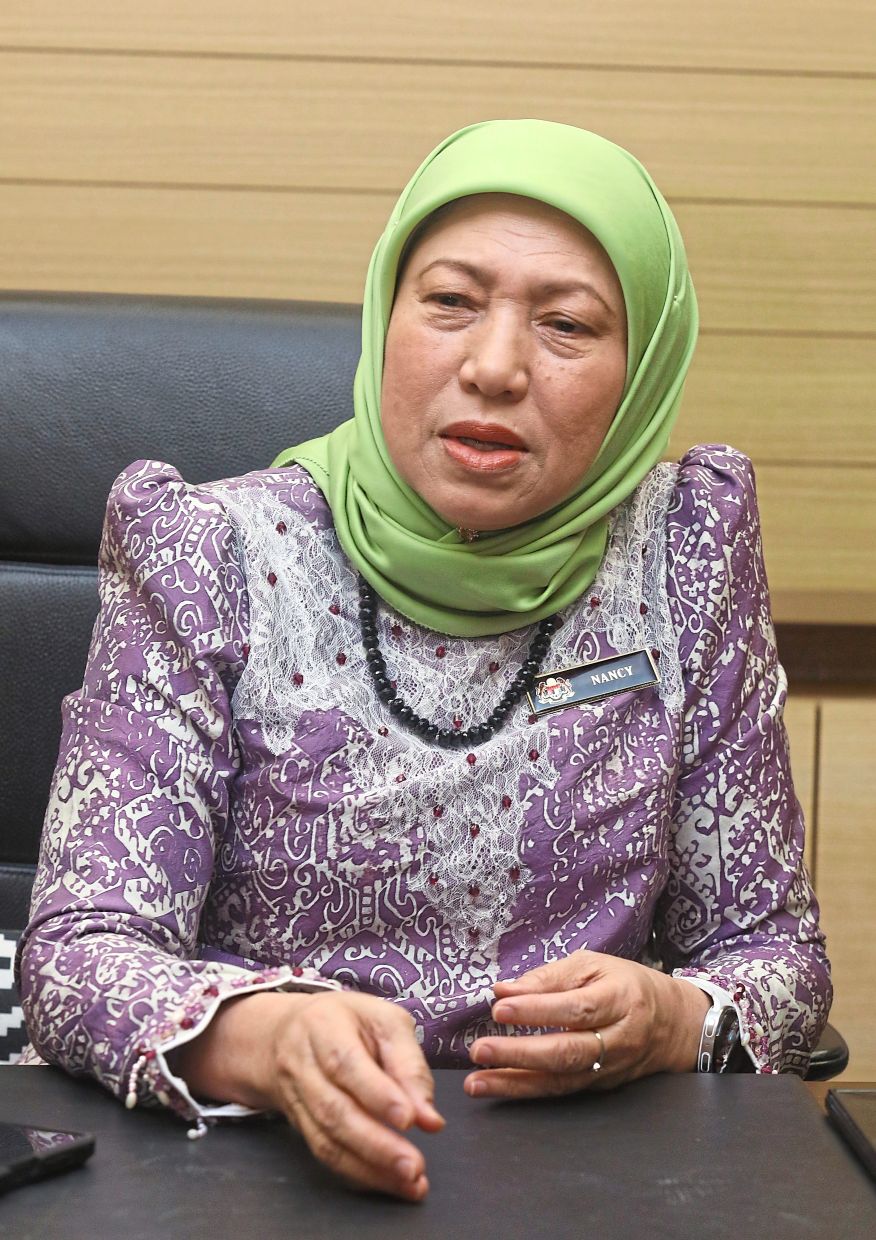
Registering children with disabilities as persons with disabilities (OKU) should be among the first priorities for Malaysian parents seeking to unlock comprehensive government support systems, according to Women, Family and Community Development Minister Datuk Seri Nancy Shukri. The minister stressed that early registration does far more than complete administrative paperwork—it provides official recognition that becomes the gateway to multiple forms of assistance spanning welfare, healthcare, education and social development throughout a child's life.
The registration mechanism, managed by the Social Welfare Department (JKM), requires parents to compile their child's birth certificate or identification documents alongside medical reports or certification detailing the disability, plus any additional supporting materials JKM stipulates. Upon approval, children receive an OKU card serving as formal proof of their disability status, which organisations across both government and private sectors recognise when determining eligibility for various programmes and concessions.
The tangible benefits flowing from registration prove substantial for families navigating the complexities of raising children with disabilities. Registered families gain eligibility for financial assistance packages designed to offset the additional costs associated with disability care, rehabilitation services that support functional development, early intervention programmes proven to improve long-term outcomes, and placement in specialised education facilities staffed with trained educators. Beyond these core services, children and families access various incentives and concessions tailored to their specific circumstances and needs.
Nancy underscored that delaying registration means forfeiting critical developmental windows when intervention produces maximum benefit. The minister pointed out that early access to coordinated support structures fundamentally shapes how children progress through their formative years, affecting their learning capacity, overall wellbeing and foundational skills. Families simultaneously gain breathing room and practical assistance during what parents universally describe as one of life's most challenging periods. The government views early registration not as optional bureaucratic formality but as essential scaffolding for successful childhood development.
Crucially, the minister signalled that Malaysia's approach to disability support extends well beyond school-age children, recognising that needs transform as individuals mature. As young people transition to adulthood, their aspirations, circumstances and support requirements shift fundamentally, yet many existing systems remain education-centric. The government has therefore committed to building a sustainable, inclusive support framework ensuring persons with disabilities continue receiving appropriate assistance as they pursue employment, independent living and fuller participation in civic life.
A cornerstone of this broader strategy involves expanding employment pathways through skills development and workplace integration programmes. The Social Welfare Department now deploys specially trained job coaches who provide on-site support enabling persons with disabilities to secure positions and maintain employment stability. These coaches function as intermediaries between employers and workers, offering practical guidance while simultaneously educating workplaces about creating genuinely inclusive environments rather than merely compliant ones. This dual approach addresses both immediate employment needs and the deeper cultural shift required within Malaysian organisations.
Complementing this employment initiative, the government has launched Disability Equality Training (DET) targeting employers, human resource professionals and general employees. Rather than superficial awareness-raising, DET deliberately cultivates fundamental attitudinal shifts regarding how society conceptualises disability, moving beyond pity-based or charity-oriented frameworks toward rights-based and capability-focused perspectives. Nancy framed this as essential infrastructure for constructing a society that removes structural barriers while supporting individuals according to their particular strengths and requirements rather than assumed limitations.
The Social Security Organisation (PERKESO) has emerged as a key implementation partner, offering rehabilitation programmes, vocational training initiatives and employment placement services specifically designed for persons with disabilities. The government has additionally developed platforms including MyFutureJobs that connect job seekers with suitable opportunities, creating transparent matching mechanisms between worker capabilities and employer needs. These initiatives reflect a shift toward proactive labour market integration rather than passive benefit provision.
Beyond employment, the government continues expanding lifelong learning opportunities, vocational training pathways, entrepreneurship support and independent living assistance programmes. These multifaceted interventions recognise that persons with disabilities possess diverse aspirations and capacities that extend far beyond traditional employment models. Nancy articulated the overarching vision as ensuring individuals with disabilities receive continuous support across all life stages while developing genuine capacity for dignified, self-directed participation in society.
Effectively realising these ambitions requires sustained collaboration between government agencies, statutory bodies, private sector organisations and non-governmental organisations bringing complementary expertise and resources. No single institution possesses the capacity to address the multidimensional needs of Malaysia's population with disabilities, necessitating coordinated action that leverages each sector's distinctive capabilities. This ecosystem approach acknowledges both the complexity of disability support and the importance of holistic, interconnected solutions.
For parents facing the uncertainty inherent in raising children with disabilities, early OKU registration ultimately represents far more than administrative compliance. It constitutes a deliberate decision to activate governmental and societal recognition of their child's needs while simultaneously unlocking developmental opportunities that might otherwise remain inaccessible. Registration transforms a child's status from administrative invisibility into formal acknowledgement carrying concrete entitlements, establishing the foundation upon which subsequent educational attainment, employment success and community participation become possible.

