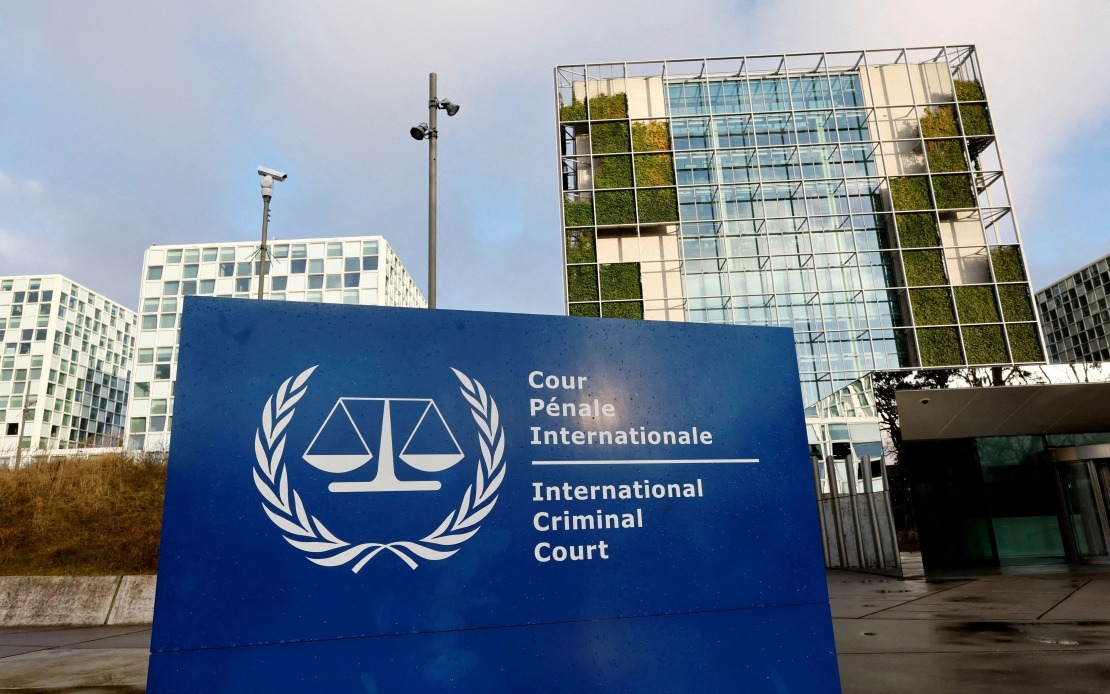
The International Criminal Court faces mounting pressure from Washington, which has launched a comprehensive initiative to counter what American officials describe as a threat to national sovereignty. This escalating confrontation has triggered sharp responses from Dutch legal academics, who contend that the US approach represents a fundamentally dangerous assault on the international legal architecture that underpins global governance.
Amsterdam-based scholars argue that the underlying US position rests on a flawed premise. Alette Smeulers, who holds the chair in international crimes at the University of Groningen, articulated the core concern during recent commentary on the dispute. She emphasised that the court operates within clearly defined jurisdictional boundaries and cannot simply pursue investigations against any nation's officials. The ICC possesses authority only over the gravest violations of international humanitarian and criminal law, and only in circumstances where either the alleged perpetrator holds citizenship in a signatory state or the crimes occurred within signatory territory.
The State Department announcement on July 13 characterised the Hague-based institution as posing an unacceptable challenge to American interests. Officials asserted that the court's claimed authority to investigate and prosecute US military personnel and government representatives acting on behalf of national interests constitutes an intolerable encroachment on American sovereignty. This framing has troubled international law specialists who see the rhetoric as disconnected from the court's actual operational framework and constrained mandate.
What makes the current friction particularly concerning to Dutch academics is the pattern of escalating hostility emanating from Washington. The December sanctions imposed against two ICC judges signalled a willingness to weaponise economic pressure against the institution's personnel. According to US characterisations, those judges had engaged in what Washington deemed "politicised actions" related to Israel. Such measures represent an unprecedented step of holding individual judges financially accountable for judicial decisions, a development that Kyra Wigard, an assistant professor at Utrecht University, described as fundamentally absurd within normal international relations.
Wigard's critique highlights a crucial distinction regarding appropriate uses of sanctions within the international system. Sanctions historically target alleged terrorist organisations or belligerent nations engaged in armed conflict. Applying such punitive measures to judicial officers exercising their functions within an international court establishes a troubling precedent. The move suggests that powerful states may increasingly resort to economic retaliation against institutions and individuals they find inconvenient, regardless of whether such actions align with established diplomatic norms.
Smeulers warns that the implications of this campaign extend far beyond the immediate dispute between Washington and the court. Should the United States succeed in dismantling the ICC or significantly undermining its capacity, the world would drift toward a fundamentally different international system. Rather than disputes being resolved through accepted legal frameworks and recognised institutional processes, a state-of-nature arrangement would emerge where the most militarily and economically powerful nations dictate outcomes through coercion. This trajectory represents a return to pre-modern international relations bereft of lawful mechanisms for accountability.
The strategic dimension of American pressure becomes evident when examining Washington's reported intentions to persuade other nations to withdraw from the Rome Statute, the foundational treaty establishing the ICC. Success in this endeavour would progressively hollow out the institution by eliminating its constituency. Each state withdrawal reduces the court's jurisdiction, making it increasingly ineffectual at addressing mass atrocities and systematic violations. This approach leverages America's considerable diplomatic influence and the economic dependencies of smaller nations to achieve through indirect means what direct confrontation might not accomplish.
For Southeast Asian nations, this developing crisis carries particular significance. Several countries in the region maintain relationships with both the United States and the ICC framework, though Malaysia itself withdrew from the Rome Statute in 2019. The potential dismantling or severe weakening of the ICC would reshape how the region addresses accountability for serious crimes. Regional governments might find themselves without recourse to an independent international mechanism for addressing atrocities, forcing reliance instead on bilateral arrangements or ad hoc tribunals that lack the institutional credibility and independence the ICC provides.
The broader philosophical contest underlying this confrontation concerns fundamental questions about international order. The established post-World War II framework rests on the principle that even powerful states operate within constraining legal rules. The ICC, despite its various shortcomings and controversies, represents institutional embodiment of that principle. By challenging the court's legitimacy and attempting to render it ineffective, the United States signals a preference for a system where major powers enjoy exemptions from the accountability standards applied to others. This asymmetry undermines the universality upon which international law depends for its persuasive authority.
Dutch legal specialists also point to the self-defeating character of the American campaign. Attempting to destroy international courts through coercion and financial punishment actually validates the very concerns that motivated the court's establishment. The ICC emerged from recognition that domestic legal systems sometimes fail to prosecute their own officials for atrocities, necessitating an external forum. When powerful states resort to intimidation tactics against judges investigating their actions, they essentially confirm why such independent mechanisms remain essential. The response to perceived institutional problems should involve constructive reform, not destructive demolition.
The trajectory of US-ICC relations will reverberate throughout the international system for decades. If Washington successfully weakens or eliminates the court through sustained pressure, other institutions designed to constrain state power will recognise their vulnerability. The precedent would suggest that sufficiently powerful nations need not accept institutional oversight, fundamentally altering the character of global governance. Conversely, if the ICC survives this challenge intact, it reinforces the principle that even superpowers operate within international legal constraints—a foundation upon which any genuine rules-based order must rest.

