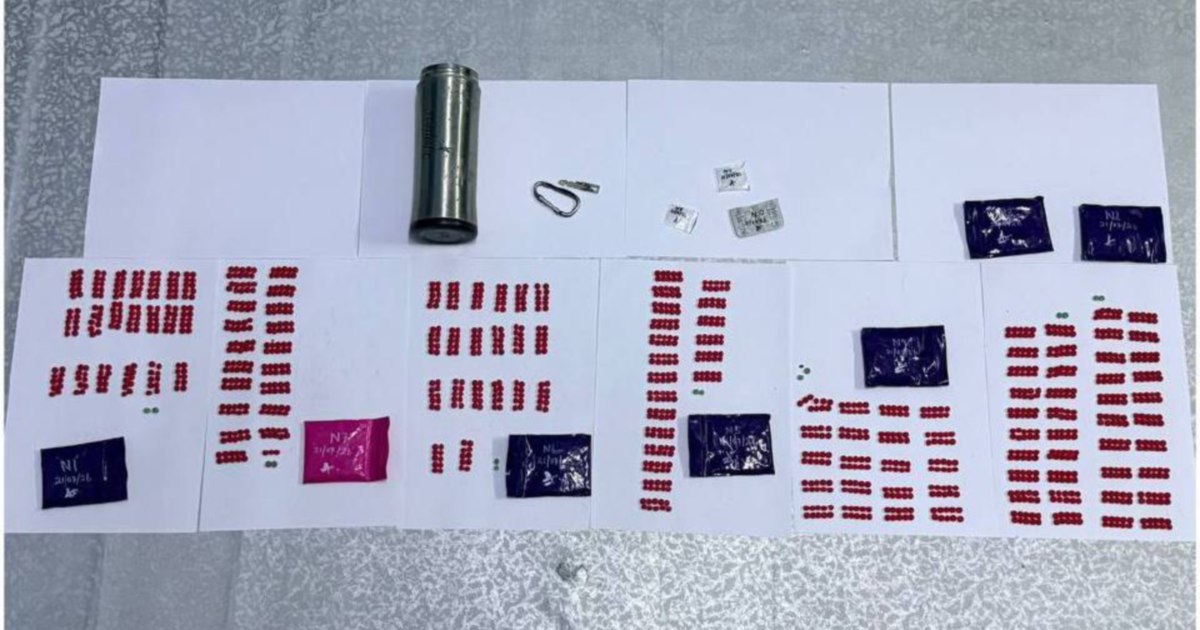
Police have arrested multiple suspects during a series of Gombak Operation Force raids, with one detainee standing out for his extensive history of drug-related convictions. The arrested man had previously been convicted six times on drug charges, making him a repeat offender with a concerning pattern of reoffending despite prior judicial interventions.
The Gombak Operation Force, known locally as GOF, represents a focused law enforcement strategy targeting specific crime hotspots and trafficking corridors. Such operations typically concentrate resources in high-risk areas identified through intelligence gathering and community reports. The timing and intensity of these raids suggest authorities were responding to intelligence indicating elevated narcotics activity in the operational zone.
The arrest of a recidivist offender underscores a persistent challenge within Malaysia's drug enforcement landscape. Individuals with multiple prior convictions represent both a significant public health concern and a test of the criminal justice system's ability to deter repeat offences through sentencing and rehabilitation programmes. The fact that this individual had cycled through the system six times previously raises questions about the effectiveness of existing rehabilitation frameworks and sentencing structures in preventing recidivism.
Gombak, a constituency in Kuala Lumpur and the Selangor border region, has long been identified as a significant transit point for narcotics movement within the Klang Valley. The area's geographic position and accessibility make it strategically important for both traffickers and law enforcement agencies. Operations targeting this zone typically yield insights into broader distribution networks serving the greater Kuala Lumpur metropolitan area and surrounding states.
The multi-suspect nature of the operation indicates that authorities were likely targeting an organised group rather than isolated individual users or small-time dealers. Such coordinated arrests suggest weeks or months of surveillance and intelligence work preceded the actual raids. The involvement of multiple detainees also hints at a potential supply chain disruption, though the full extent of the operation's success will depend on the quantities of drugs seized and the organizational role each suspect played.
Malaysia's approach to drug enforcement has evolved significantly over recent years, balancing stricter penalties with increased focus on rehabilitation and treatment for users. However, trafficking-related offences remain serious matters attracting mandatory minimum sentences. For a repeat offender like the arrested individual, previous convictions would typically result in enhanced sentencing recommendations under Malaysian sentencing guidelines, assuming new charges are substantiated.
The GOF operations represent part of broader regional efforts by the Royal Malaysia Police to maintain pressure on narcotics networks. The Gombak area in particular has seen episodic intensive operations as authorities attempt to disrupt supply chains serving addicted populations across the Klang Valley. These raids often uncover not just drugs but also related crimes including possession of proceeds from trafficking, unlicensed firearms, and other contraband.
From a prevention standpoint, the case of a man with six prior convictions raises important questions about intervention timing and intensity. Ideally, the criminal justice system should identify repeat offenders early in their trajectory and offer intensive rehabilitation before they become entrenched in trafficking networks. The success of such early interventions, however, depends on adequate funding for treatment facilities, sufficient counsellors and healthcare workers, and community-based support systems that remain underdeveloped in many parts of Malaysia.
The arrested individuals now face the Malaysian court process, which typically moves methodically through investigation, charging, and trial phases. For trafficking-related charges, the Office of the Director of Public Prosecutions will coordinate with investigating officers to build cases. The prior convictions of the main suspect will feature prominently in both bail decisions and eventual sentencing, should he be convicted of new offences.
Regional implications of such operations extend to neighbouring countries and international drug enforcement partnerships. Malaysia's position as a transit nation for drugs destined for Australia, Singapore, and regional markets means that disrupting supply chains at the Gombak level contributes to broader Southeast Asian counter-narcotics efforts. The information gathered during these raids, including names, methodologies, and supply sources, often filters into intelligence databases shared with regional partners through the International Narcotics Control Board and bilateral agreements.
Community policing aspects of GOF operations also merit consideration. Successful operations depend partly on tips from residents reporting suspicious activity. The visibility of major raids can reinforce public confidence in law enforcement capability while also serving as a deterrent to would-be dealers considering operating in heavily patrolled areas. However, such operations must be balanced against privacy concerns and the need to maintain positive community-police relations.
Looking forward, the effectiveness of these raids will be measured not merely by arrest numbers but by whether they produce lasting disruption to trafficking networks and whether arrested individuals receive adequate rehabilitation during their incarceration. For Malaysia's drug enforcement objectives to advance, addressing recidivism through improved treatment and monitoring programmes will prove as important as continued operational pressure on supply networks.

