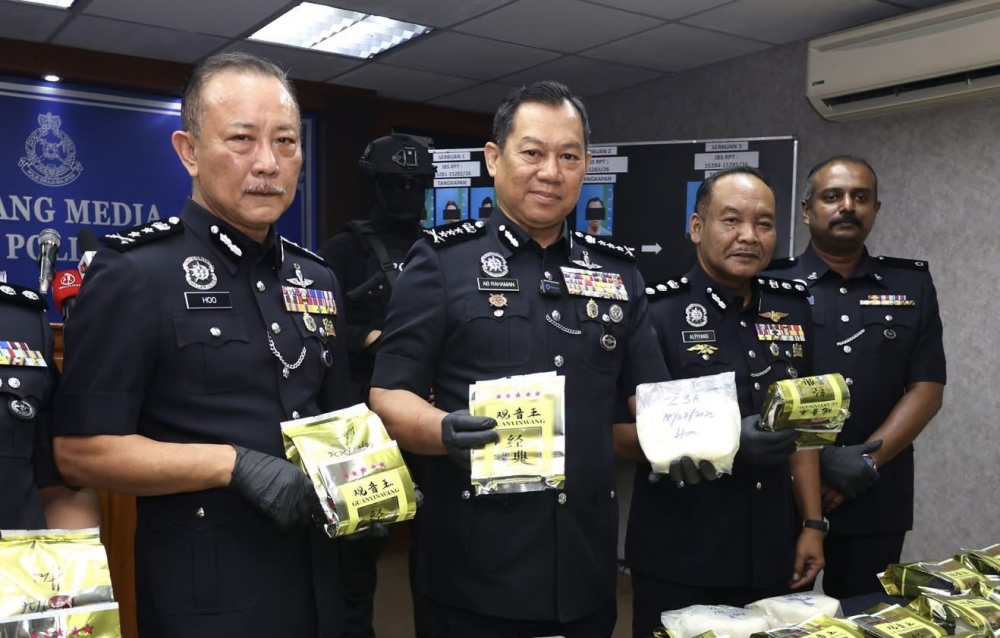
Police in Johor Bahru have successfully broken up a synthetic drug trafficking operation following coordinated raids that resulted in the arrest of eight individuals, marking a significant enforcement success in the state's ongoing battle against illicit narcotics. The operation, conducted on July 22, uncovered a distribution network that appears to have been operating with relative sophistication, employing unconventional methods to evade detection and reach potential customers across the city.
Among those detained was a 16-year-old youth who, according to police investigations, played an active role in the supply chain by allegedly converting his grandfather's vehicle into a mobile drug distribution point. The use of a family car for such purposes represents a troubling trend in how young offenders are being drawn into organised drug trafficking, often exploiting their age and the trust placed in family vehicles to avoid arousing the suspicion of law enforcement authorities. This particular method of operation underscores the adaptability of drug syndicates and their willingness to involve minors in their criminal enterprises.
The discovery and dismantling of this network demonstrates the effectiveness of police intelligence and coordinated enforcement operations. The fact that multiple locations were targeted simultaneously suggests that law enforcement had conducted thorough surveillance and information gathering before moving in to make the arrests. Such coordinated action is essential in disrupting supply chains at multiple points, preventing the quick reformation of networks that might otherwise reconstitute themselves through alternative distribution channels.
The involvement of a minor in this operation raises significant concerns about drug-related crime targeting vulnerable populations in Malaysia's youth. Young people are increasingly being recruited into drug distribution networks, often through peer pressure or financial incentives that appear attractive to teenagers with limited economic opportunities. The case highlights a persistent challenge facing law enforcement and social services: preventing the recruitment and exploitation of minors in criminal activities, particularly those as lucrative and organised as drug trafficking.
Synthetic drugs remain a particular concern for Malaysian authorities across the Klang Valley and southern regions, given their high profitability, relative ease of concealment, and the severe health risks they pose to users. These substances, which can include methamphetamine variants and designer drugs, command significant street prices and have created robust criminal ecosystems designed to distribute them efficiently. The Johor Bahru operation specifically targeted individuals engaged in trafficking synthetic narcotics, suggesting that this category of illegal drugs represents a focal point for local police strategy.
The use of private vehicles for drug distribution is an increasingly common tactic observed across Southeast Asia. Cars provide mobile selling points that are difficult to pin down, can quickly relocate to avoid police presence, and maintain an appearance of normality that blends into everyday traffic. The grandfather's vehicle, in this case, would have attracted minimal attention compared to known drug distribution points, making it a strategically useful asset for the network's operations. Police forces across the region have had to adapt their surveillance and interdiction strategies to counter such mobile distribution methods.
The broader implications of this bust extend beyond the immediate disruption of one drug ring. It signals to criminal syndicates operating in Johor Bahru that police resources remain focused on dismantling their operations, and that the use of family members and vehicles will not provide adequate protection from law enforcement. These enforcement actions, when publicised, serve a dual purpose: they provide deterrence to potential offenders whilst also reassuring the public that authorities are actively tackling the drug problem.
Family involvement in drug-related crimes, whether directly or through the provision of assets, often indicates the degree to which criminal networks have embedded themselves within ordinary communities. When grandparents' vehicles become tools for drug distribution, it reflects a troubling normalisation of involvement in the drug trade across multiple generations. This raises questions about community awareness, family monitoring, and the responsibility of vehicle owners to ensure their assets are not being misused.
The investigation into these eight individuals will likely continue beyond their initial arrest, with authorities seeking to identify higher-level organisers and suppliers within the network. Drug trafficking operations typically operate in hierarchical structures, with street-level distributors serving as the most visible component of larger supply chains. The 16-year-old and other retail-level dealers apprehended in this operation may provide valuable intelligence about their sources and the scope of the criminal enterprise.
For Malaysian policymakers and enforcement agencies, cases such as this underscore the importance of sustained, intelligence-driven policing operations coupled with preventative social interventions. While law enforcement interdiction remains essential, addressing the underlying factors that make youth vulnerable to recruitment into drug trafficking—including poverty, lack of educational opportunity, and peer pressure—requires a more comprehensive societal approach. The presence of a teenager as an active participant in this operation represents both a law enforcement victory and a social welfare failure that demands continued attention from authorities and community leaders alike.

