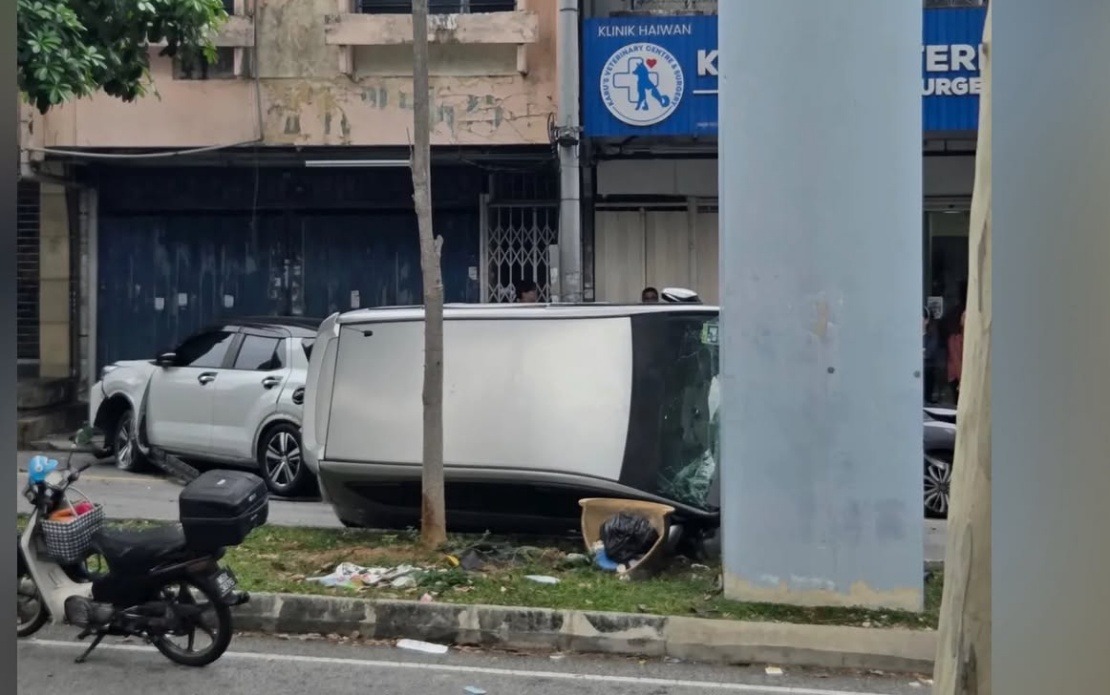
A medical emergency on the road turned into a multi-vehicle accident in Cheras this morning when a 28-year-old BMW 320i driver suffered a seizure while commuting to work. The incident, which unfolded around 8.30 am on Jalan Midah 1, resulted in damage to six parked vehicles but fortunately caused no injuries to any individuals. According to ACP Mohd Zamzuri Mohd Isa, chief of the Kuala Lumpur Traffic Investigation and Enforcement Department, the driver was travelling from his residence to his workplace at Taman Midah 1 when the medical event occurred.
The sequence of events leading to the collision began when the driver suddenly experienced a seizure behind the wheel, an episode that robbed him of control over his vehicle. Unable to maintain a steady course, the BMW veered off the roadway and struck a series of parked automobiles lined along the left shoulder of Jalan Midah 1. The six vehicles that sustained damage belonged to four women between 29 and 43 years old, a 39-year-old man, and one company vehicle. Fortunately, none of the vehicles were occupied at the time of impact, meaning no passengers or owners were present to sustain injuries.
Investigations into the incident revealed significant medical history that contextualises the accident. The driver has experienced seizure episodes for approximately a decade, a condition that raises questions about road safety protocols and the management of chronic medical conditions among drivers. The authorities conducted a breathalyser test on the driver to determine whether impairment played any role in the collision. The test yielded a negative result, returning zero milligrammes per 100 millilitres of alcohol, thereby ruling out intoxication as a contributing factor.
The incident highlights an important intersection between public health and traffic safety in Malaysia. Drivers with chronic conditions such as epilepsy face a delicate balance between maintaining their independence and mobility while ensuring the safety of themselves and others on the road. Medical episodes while driving can occur unexpectedly, even in individuals who take prescribed medications or follow medical advice. This particular accident, though fortunately minor in terms of human casualties, underscores the potential consequences when a driver's medical condition suddenly impairs their ability to operate a vehicle safely.
From a regulatory perspective, ACP Mohd Zamzuri clarified that the case has been classified under Rule 10 of LN 166/59, a specific provision addressing traffic incidents. This classification determines how the matter will be processed through the legal system and what penalties or remedies might apply. The ongoing investigation aims to establish a comprehensive understanding of the circumstances surrounding the seizure and whether any procedural violations occurred. Authorities are examining factors such as whether the driver was medically cleared to drive and whether he reported his condition to the Road Transport Department as required by Malaysian regulations.
The incident also raises practical considerations for the victims of the collision. While no personal injuries occurred, the owners of the six damaged vehicles now face repair costs and the inconvenience of managing claims with insurance companies or the driver. Property damage from traffic incidents can be considerable, involving everything from minor dents to structural repairs depending on the force of impact. The mix of private vehicles and a company car affected means multiple claims processes and potential complications in determining liability and compensation.
From a traffic safety standpoint, this accident on Jalan Midah 1 serves as a reminder of the unpredictable nature of road hazards. Even on a seemingly routine commute, unexpected medical events can transform an ordinary morning into a crisis situation. The Cheras area, like many parts of Kuala Lumpur, experiences regular vehicle congestion and parking challenges, which contributes to the necessity of parking along road shoulders. This practice, while common in urban Malaysia, exposes vehicles to potential collision risks from other traffic or, as in this case, from drivers who experience sudden loss of control.
Police investigations continue into the matter, with authorities keen to establish whether there were any warning signs or preventative measures that could have been implemented. The authorities have appealed for any witnesses or members of the public with information about the incident to come forward. Those with relevant details can contact the Tun H.S. Lee traffic police station at 03-2071 9999 or their nearest police station. Witness accounts can be crucial in traffic investigations, particularly in cases involving medical emergencies, as they may provide observations about the driver's condition or behaviour before the collision occurred.
The case carries implications beyond the immediate incident for how Malaysian authorities manage drivers with chronic medical conditions. Regulatory frameworks must balance the rights of individuals with manageable medical conditions to participate fully in society against the paramount concern for road safety. The Road Transport Department and medical professionals work together to assess whether drivers with certain conditions remain safe behind the wheel, but cases like this demonstrate that even with appropriate clearances, unexpected episodes can still occur. This underscores the importance of ongoing medical monitoring and the responsibility of drivers to immediately report any changes in their condition to relevant authorities.
For the broader Malaysian driving community, this incident represents both a cautionary tale and a reminder of the importance of maintaining good health practices while operating vehicles. Drivers experiencing any medical concerns, whether chronic conditions or acute symptoms, have a responsibility to ensure they are fit to drive before taking to the roads. The negative breathalyser test in this case helps eliminate one variable from consideration, but it also highlights that impaired driving extends beyond alcohol to include medical emergencies and other factors affecting a driver's ability to maintain vehicle control.

