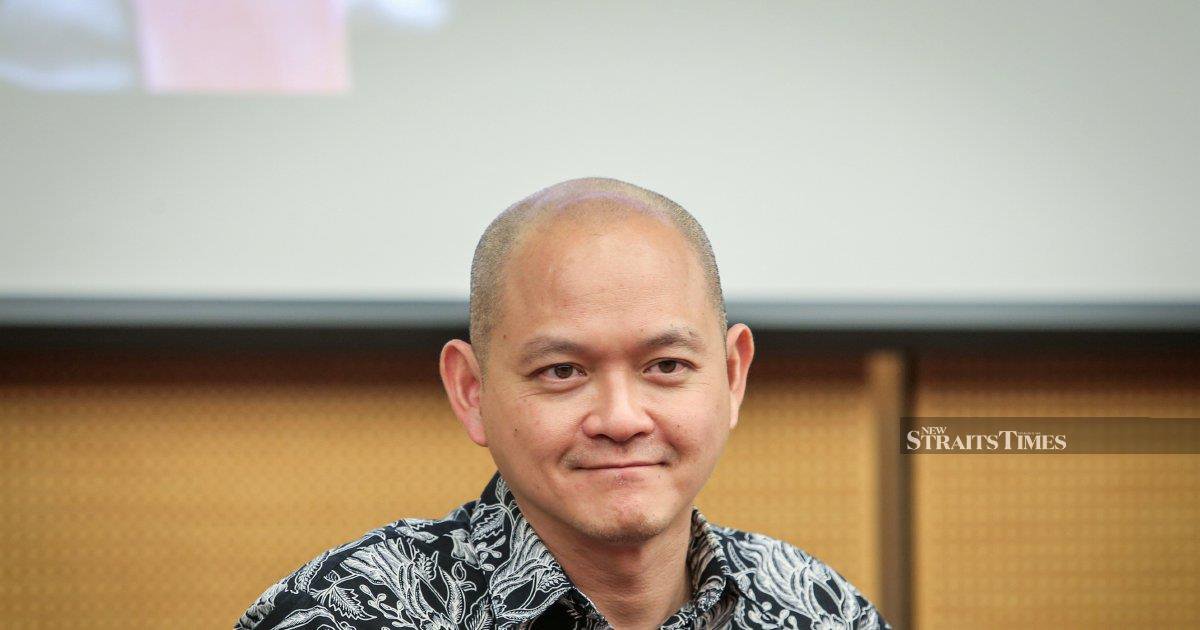
Dr Ong Kian Ming, who previously represented Bangi in parliament, has announced his formal departure from the Democratic Action Party, marking a significant shift in his political trajectory. The economist and former legislator's resignation signals a notable realignment in Malaysia's fractious political landscape, where transitions between major coalitions remain relatively uncommon, particularly for sitting parliamentarians who hold established positions within their parties.
Ong's decision to step away from DAP comes as he prepares to champion the political ambitions of Khairy Jamaluddin, the prominent United Malays National Organisation politician and former Health Minister. This collaboration represents a strategic alliance between figures from differing political backgrounds, reflecting the increasingly fluid nature of Malaysian politics as major elections approach. Khairy, who has maintained considerable visibility in national discourse despite previous setbacks, appears to be assembling a team of skilled professionals to bolster his electoral prospects.
The departure of Ong from DAP carries implications for the opposition coalition's organisational capacity, particularly in the Klang Valley region where Bangi holds strategic significance. As an economist with academic credentials and parliamentary experience, Ong has been regarded as a technocratic voice within DAP's ranks, bringing analytical rigour to policy discussions. His exit removes one such professional asset from the party's bench of specialists and consultants.
Ong's transition also underscores the complex calculations that drive Malaysian politicians' career decisions. The timing of such moves—typically orchestrated several months before electoral contests—suggests serious consideration of electoral viability and coalition prospects. Political observers note that such high-profile movements between competing coalitions often reflect assessments about which political formations possess superior chances of forming government or securing meaningful representation.
For Khairy, securing the services of an intellectually credentialed figure like Ong potentially strengthens his positioning within UMNO's competitive internal dynamics. The party operates with multiple power centres and competing interest groups, and demonstrating an ability to attract capable operators from opposing camps carries symbolic weight within such institutional contexts. It signals capacity to recruit talent and build platforms that extend beyond traditional party machinery.
The broader context involves Malaysia's election cycle dynamics, where the next general election remains a focal point of strategic planning across the entire political establishment. Major coalitions and individual politicians invest substantial resources in positioning themselves optimally for electoral contests. Moves such as Ong's departure from DAP typically precede such contests by several months, allowing adequate time for repositioning and rebranding efforts.
DAP's perspective on Ong's departure likely reflects pragmatic acceptance of attrition within parliamentary ranks. The party maintains relatively firm control over its legislative membership, with departures less common than within some rival formations. However, the party's leadership generally respects individual politicians' autonomous decision-making regarding political trajectories, particularly when such transitions occur with reasonable notice rather than through acrimonious disputes.
Ong's background as an economist provides particular value in contemporary Malaysian political discourse, where technical expertise in economic management, fiscal policy, and development strategy remains perpetually in demand. Politicians seeking to establish credibility on such issues benefit from association with credentialed professionals capable of articulating sophisticated policy positions. Khairy's coalition can leverage such expertise in constructing electoral platforms centred on economic competence and administrative capability.
The decision also reflects evolving patterns of political mobility among Malaysia's English-educated, professional middle class. Individuals within this demographic segment increasingly demonstrate flexibility regarding political affiliations, particularly when perceiving opportunities to advance specific policy agendas or secure positions of influence. Such professionals often prioritise policy access and institutional leverage over rigid partisan loyalty, distinguishing their behaviour from traditional grassroots party members motivated by communal bonds or ideological commitment.
Regionally, Malaysia's shifting political configurations interest observers across Southeast Asia, particularly given the nation's status as one of the region's most developed democracies with relatively robust institutional frameworks. Political transitions and coalition realignments within Malaysia frequently attract analytical attention from counterparts in neighbouring countries facing similar questions about governance, coalition management, and electoral competition.
Looking ahead, Ong's activities in support of Khairy's campaign will merit close monitoring as Malaysia progresses toward its next general election. Such collaborations between figures from differing backgrounds and party histories typically generate disproportionate media attention, particularly when they involve accomplished professionals transitioning between established political formations. The electoral implications will become clearer once Khairy's campaign platforms and candidacy details become formally announced, providing definitive clarity regarding the strategic calculations underlying this partnership.

