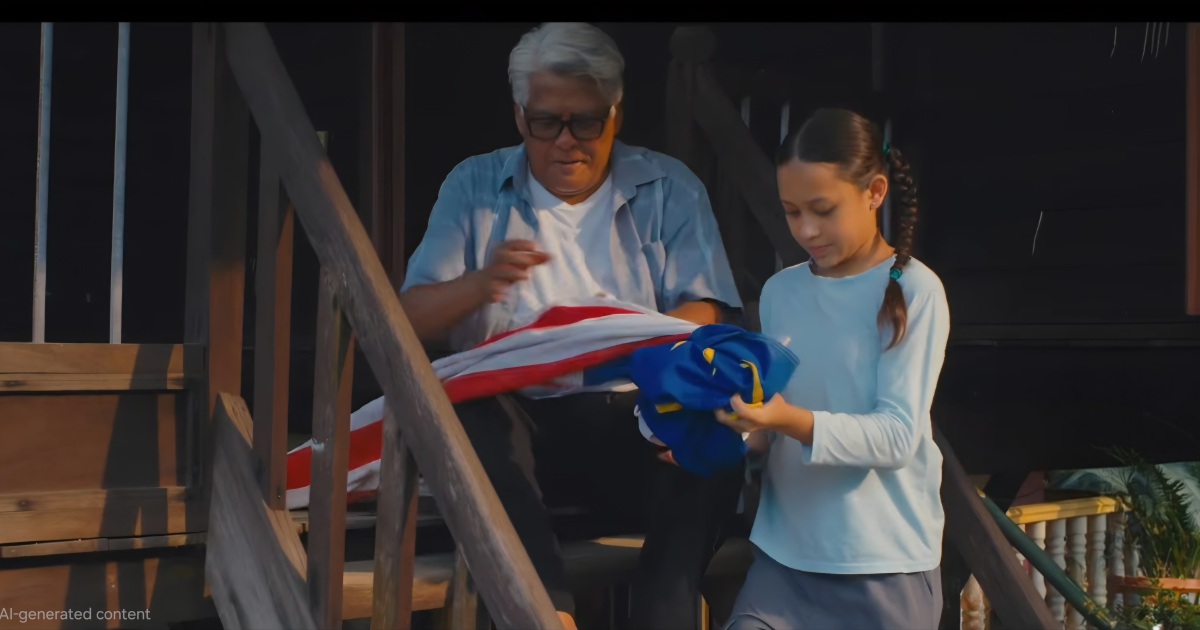
As Malaysia commemorates another Hari Kebangsaan, Deputy Prime Minister Datuk Seri Fadillah Yusof has released a video message that is quietly gaining traction across the nation's digital landscape. Shared through his official Facebook page, the eight-minute production carries a central theme emphasising that Malaysia belongs to all its citizens, regardless of background or ethnicity. The initiative has sparked a broader conversation about national unity during a period when such messaging carries particular weight in the Malaysian discourse.
The video's release comes at a time when Malaysia is navigating complex questions about social cohesion and national identity. As the country progresses through its 67th year of independence, discussions about what binds Malaysians together have become increasingly prominent in public conversation. The deputy prime minister's decision to release the message through social media reflects how political communication has evolved in Malaysia, with platforms like Facebook serving as direct channels to reach diverse audiences without intermediaries. This approach has proven effective in amplifying messages about shared national values during significant occasions.
Fadillah's emphasis on inclusive nationhood addresses longstanding concerns among Malaysian communities about representation and belonging. The message that Malaysia's identity encompasses all its diverse populations—irrespective of ethnicity, religion, or economic background—represents a deliberate articulation of pluralistic values. In a nation where demographic diversity extends to indigenous peoples, migrant communities, and multiple religious traditions, such affirmations of collective ownership carry symbolic importance. The resonance of this particular message suggests that many Malaysians are receptive to narratives emphasising shared citizenship over divisive categories.
The deployment of video as a medium for this message is strategically significant. Rather than relying on traditional speeches or written statements, Fadillah's approach uses visual storytelling to create emotional connection. The eight-minute duration allows for narrative development beyond headline soundbites, permitting the deputy prime minister to elaborate on themes of national pride, historical achievement, and forward-looking optimism. This format also democratises access to the message, as viewers can engage with it at their own pace across digital platforms where it circulates without paywalls or institutional barriers.
Online responses to the video indicate that the unity narrative resonates particularly well during Independence Day celebrations. Social media engagement reflects genuine appreciation for explicit messages affirming inclusive nationhood, suggesting that many Malaysians—across generational and demographic lines—value leadership articulations that transcend factional interests. The digital conversation surrounding the release demonstrates how holiday observances provide legitimate occasions for recalibrating national conversation around foundational values, even in polarised environments.
For Malaysian policymakers and public communicators, the reception of this video offers insights into public appetite for unity messaging. The success of Fadillah's initiative suggests that clear, affirmative statements about national belonging do not face inevitable rejection in contemporary Malaysia, contrary to assumptions sometimes made in pessimistic assessments of social cohesion. The willingness of citizens to engage positively with such content indicates space for political leadership that emphasises common ground.
The timing of the release within the established rhythm of Hari Kebangsaan celebrations anchors the message firmly within patriotic tradition. By releasing the video during Independence Day commemoration, Fadillah positions his statement as continuous with established national ritual rather than as a novel or controversial intervention. This contextual placement proves crucial for messaging effectiveness, as it frames affirmations of shared identity within widely accepted occasions for national reflection.
From a Southeast Asian perspective, Malaysia's continued emphasis on national unity through inclusive rhetoric distinguishes its approach to independence celebrations. While other regional nations navigate distinct historical legacies and contemporary challenges, Malaysia's particular experience with managing religious and ethnic diversity informs how its leadership frames belonging. The international visibility of such messaging—particularly as it circulates across diaspora communities and regional observers—contributes to external perceptions of Malaysian stability and social development.
The broader implications of this video's reception extend beyond single-occasion impact. The engagement it generates provides feedback to Malaysian political leadership about public receptiveness to messages prioritising collective identity. As the nation approaches future electoral cycles and policy debates, such indicators of public sentiment regarding unity and inclusive nationalism inform broader strategic communication. Political actors across the spectrum may note the positive reception of Fadillah's approach and adjust their own messaging strategies accordingly.
Looking forward, the challenge for Malaysian leadership involves translating sentiment expressed during celebratory occasions into sustained policy commitments and institutional practices that genuinely reflect inclusive values. While a video message effectively articulates principle, the legitimacy of such declarations depends ultimately on alignment between rhetoric and governance. For Malaysian citizens engaging with this content, the unity message becomes credible through observable government action addressing interethnic relations, economic opportunity distribution, and religious freedom protections.
The conversation initiated by Fadillah's Merdeka video contributes to an ongoing national dialogue about what Malaysian citizenship means in an increasingly complex world. As demographics shift, economic structures evolve, and generational values change, regular recalibration of national narrative becomes necessary. This particular intervention, well-received across digital platforms, suggests that Malaysians remain engaged with fundamental questions of collective identity and national purpose, even amid competing political voices and fragmented information environments.

