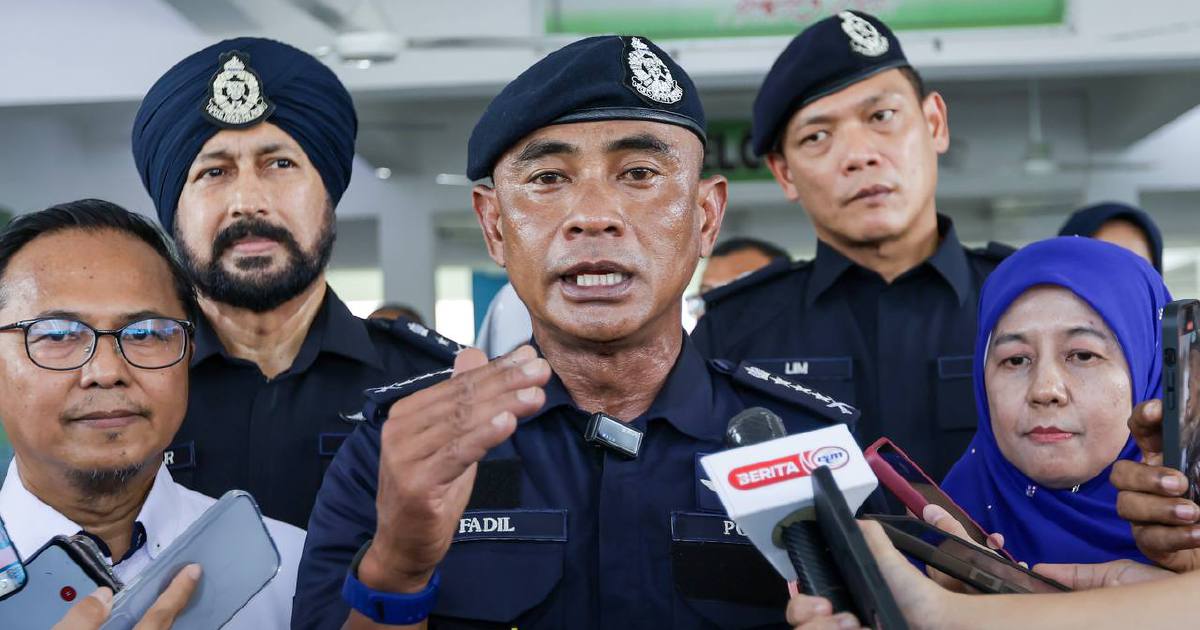
Kuala Lumpur police responded to a brawl at the Viva Home shopping mall parking facility in Cheras on Monday, leading to the detention of twelve men involved in the altercation. The confrontation, which erupted over a disputed parking space, escalated into a larger melee that required police intervention and has raised fresh concerns about rising tensions in commercial areas across the capital.
The incident highlights an increasingly common friction point in Malaysia's busy urban centres, where competition for limited parking spaces frequently triggers confrontations. As shopping malls and commercial precincts grow more crowded, particularly during peak hours and weekends, parking disputes have become a flashpoint for public order issues. The Cheras incident serves as a reminder of how quickly minor disagreements can spiral into violence when tempers run high and multiple individuals become involved.
Viva Home, a major retail and home furnishing destination in the Cheras area, attracts substantial daily footfall from shoppers and visitors seeking parking in what is typically a congested zone. The mall's popularity, combined with the unpredictable availability of convenient parking spots, creates an environment where frustrations can quickly build among drivers competing for limited spaces. This particular brawl suggests that the situation deteriorated beyond a simple verbal exchange into physical confrontation involving multiple parties.
The scale of the incident—requiring a dozen arrests—indicates that the brawl was neither a minor scuffle nor a two-person dispute. Instead, it appears to have involved wider groups converging on the parking area, possibly friends or associates of the initial disputants who joined the fracas. Such escalation patterns are common in incidents stemming from perceived disrespect or territorial challenges in public spaces, particularly in densely populated commercial zones where witnesses and bystanders may feel emboldened to join confrontations.
Law enforcement authorities in Kuala Lumpur have been grappling with maintaining order in high-traffic commercial and entertainment districts where such incidents tend to cluster. The Cheras locality, which encompasses several major shopping destinations and entertainment venues, has seen its share of public order challenges in recent years. Police presence and rapid response capabilities have become increasingly important as malls and commercial centres work to maintain safe, welcoming environments for legitimate shoppers and visitors.
The detention of all twelve individuals signals a comprehensive police response aimed at identifying and apprehending everyone involved in the violence. This approach helps document the full scope of the incident and prevents the situation from creating impression that perpetrators can escape accountability. The arrested men now face potential charges related to affray, assault, or other relevant offences under Malaysian criminal law, depending on the severity of individual conduct and injuries sustained.
Shopping mall management and security teams face mounting pressure to prevent such incidents and respond swiftly when conflicts emerge. Viva Home's security personnel would have been among the first to address the situation, likely calling police once the altercation became apparent. The involvement of professional security, combined with rapid police response, helped contain what could have become a more serious incident with greater risk to bystanders and property damage.
The underlying cause—competition for parking—reflects broader infrastructure challenges facing Malaysian cities. As vehicle ownership rises and urban congestion intensifies, the supply of parking spaces has struggled to keep pace with demand. Shopping malls like Viva Home, despite offering substantial parking facilities, occasionally reach capacity during busy periods. Drivers circling in search of spots become increasingly agitated, creating a psychological climate where minor slights or perceived queue-jumping can trigger disproportionate responses.
Beyond the immediate incident, this brawl carries implications for public perception of safety in commercial spaces. Shoppers and visitors who witness or hear about violent confrontations may become more hesitant to frequent particular venues, affecting business traffic and retail performance. Malls thus have strong incentives to implement preventative measures—better signage, improved traffic flow management in parking areas, visible security presence, and surveillance systems—to deter and discourage such incidents.
The incident also reflects broader societal questions about civility and conflict resolution in high-stress urban environments. As Malaysian cities grow denser and more competitive, the stakes of minor disagreements seem to escalate more readily. Educational campaigns promoting patience and peaceful resolution of disputes, combined with consistent enforcement and consequences for violence, represent complementary approaches to addressing the root causes driving such incidents.
Moving forward, this Cheras brawl may prompt both security assessments at similar commercial facilities and discussions about urban planning and parking infrastructure. Mall operators, local authorities, and police will likely review the incident to identify preventative measures and response protocols. For ordinary Malaysians navigating crowded shopping districts, the episode serves as a sobering reminder of how quickly tensions can ignite and why maintaining composure over trivial matters remains essential in shared public spaces.

