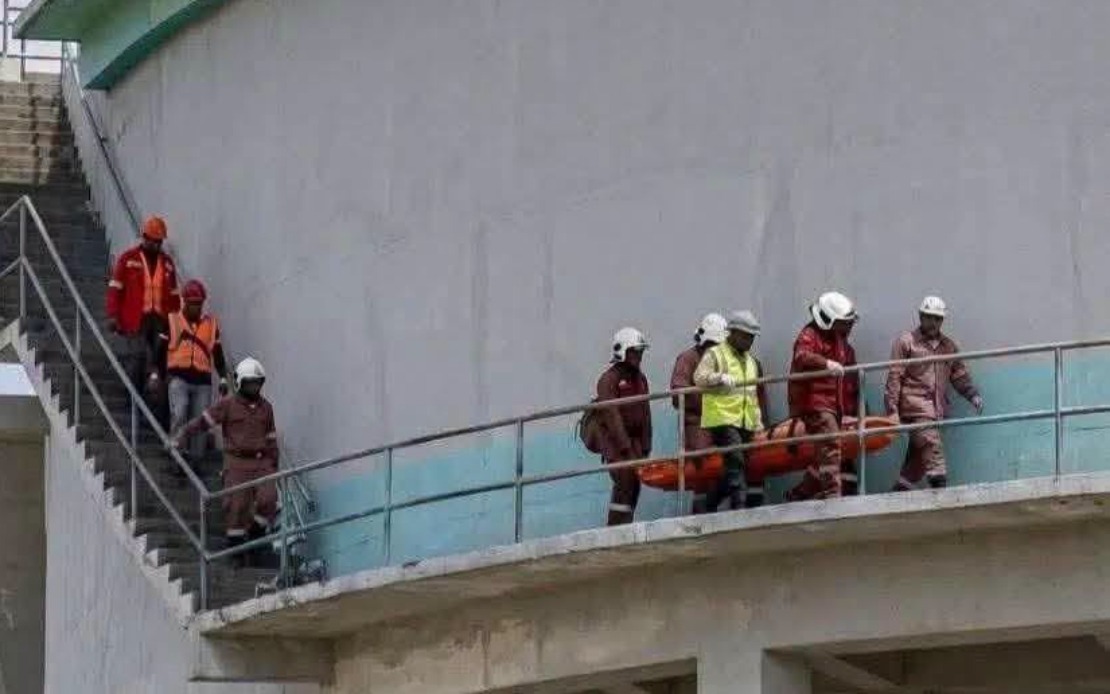
The Department of Occupational Safety and Health (DOSH) has launched a formal investigation into a workplace fatality that claimed the life of an industrial trainee during water tank cleaning operations at Menara Saujana Perdana 1 in Sungai Buloh, Selangor, on June 16. The incident underscores mounting concerns about safety compliance in Malaysia's maintenance and construction sectors, where confined space work remains one of the most hazardous activities despite established regulatory frameworks.
DOSH director-general Hazlina Yon confirmed that investigators from the department's Selangor office have already visited the accident location and implemented immediate containment measures, including issuing a prohibition notice to prevent any interference with the scene. The controlled approach is standard practice in Malaysia's occupational safety investigations, designed to preserve evidence and facilitate thorough forensic examination of workplace conditions at the time of the incident.
The formal inquiry is proceeding under Sections 15, 17 and 18 of the Occupational Safety and Health Act 1994, provisions that establish binding obligations for employers, self-employed operators, and associated parties to maintain safe working environments and protect not only active workers but also any persons who might be affected by workplace activities. These legal provisions form the backbone of Malaysia's occupational safety framework, yet investigations continue to reveal significant gaps in their application, particularly in smaller operations and subcontracted maintenance work.
Investigators are currently gathering statements from witnesses and relevant parties involved in or present at the cleaning operation. This phase of the inquiry will prove crucial in establishing whether proper safety protocols were followed, including whether appropriate work permits were obtained, risk assessments conducted, and control measures implemented before personnel entered the confined space. The witness documentation process typically extends over several weeks as authorities seek to reconstruct the sequence of events and identify contributing factors.
Hazlina's statement included a direct warning to Malaysia's employer community about compliance obligations, particularly regarding confined space entry procedures. Confined spaces—including water tanks, vessel interiors, underground vaults, and similar environments—present extraordinary hazards including oxygen depletion, toxic gas accumulation, and structural collapse risks. Yet these spaces remain inadequately managed in many Malaysian workplaces, partly due to insufficient training and partly due to cost-cutting pressures that incentivize shortcuts over safety.
The authority emphasized that all work must follow established safe procedures, requiring documentation through appropriate permits and verification that adequate control measures are in place before any worker enters such spaces. This foundational requirement—documented in international standards and Malaysian regulations—remains incompletely implemented across many industries. Employers often view these requirements as administrative burdens rather than essential safeguards, creating a compliance culture gap that DOSH continues to address through enforcement and public messaging.
A critical dimension of the investigation will examine the trainee's preparation for this high-risk activity. Malaysian law mandates that employers ensure industrial trainees and newly engaged workers receive comprehensive occupational safety and health training directly relevant to their assigned tasks, coupled with on-site briefings that specifically address the hazards they will encounter. Additionally, competent supervision must be present throughout the operation. The fatality raises questions about whether these foundational requirements were met in this instance, and whether the trainee fully understood the risks inherent in confined space work.
Hazlina's remarks stressed that employers bear primary responsibility for identifying and evaluating workplace hazards before work commences, with particular emphasis on high-risk activities like confined space entry. This risk assessment process must precede all operational decisions and should drive the selection and implementation of control measures appropriate to the identified hazards. When assessments are genuinely conducted, they frequently reveal that multiple safeguards—atmospheric monitoring, mechanical ventilation, rescue equipment, trained attendants—are necessary. When shortcuts are taken, accidents follow.
The investigation also signals renewed attention to subcontractor and vendor safety responsibilities. Water tank cleaning typically involves external contractors rather than permanent staff, and these operations frequently involve multiple layers of subcontracting. This fragmentation of responsibility often creates ambiguity about who is accountable for ensuring safety compliance. Malaysian authorities have increasingly emphasized that principal contractors and building owners cannot absolve themselves of safety obligations by simply engaging external operators, a principle that may have direct relevance to this incident.
For Malaysian businesses engaged in facilities maintenance, construction, and industrial cleaning, this investigation reinforces several critical obligations. Documented risk assessments for confined space work are non-negotiable, as are written safe work procedures specific to each operation. Permits-to-work systems must be implemented and rigorously followed, atmospheric testing must occur before entry, and rescue arrangements must be established before workers enter any confined space. These aren't theoretical requirements—they represent the learned lessons from decades of fatal incidents across similar industries regionally and globally.
The incident also highlights the vulnerability of trainee workers, who often lack experience to recognize hazards and may feel pressured to comply with instructions despite safety concerns. Malaysian regulations attempt to address this through enhanced supervision and training requirements, yet workplace culture often undermines these protections. Employers who can demonstrate that they invested genuinely in trainee preparation and provided competent oversight will find themselves in a stronger position if enforcement action follows the investigation.
As DOSH continues its inquiry, the coming weeks will determine whether enforcement action results. Violations discovered during investigation can lead to substantial fines for organizations and potential criminal charges for individuals bearing direct responsibility. More significantly, the investigation's findings will contribute to Malaysia's broader occupational safety knowledge base and may prompt additional regulatory guidance on confined space work practices across Southeast Asia's emerging economies.
The tragic loss of the industrial trainee represents not merely a statistical incident but a preventable failure of safety systems that were designed to protect vulnerable workers. As Malaysian workplaces continue expanding and intensifying operations, commitment to these safety principles becomes increasingly critical for protecting the workforce and sustaining business operations.