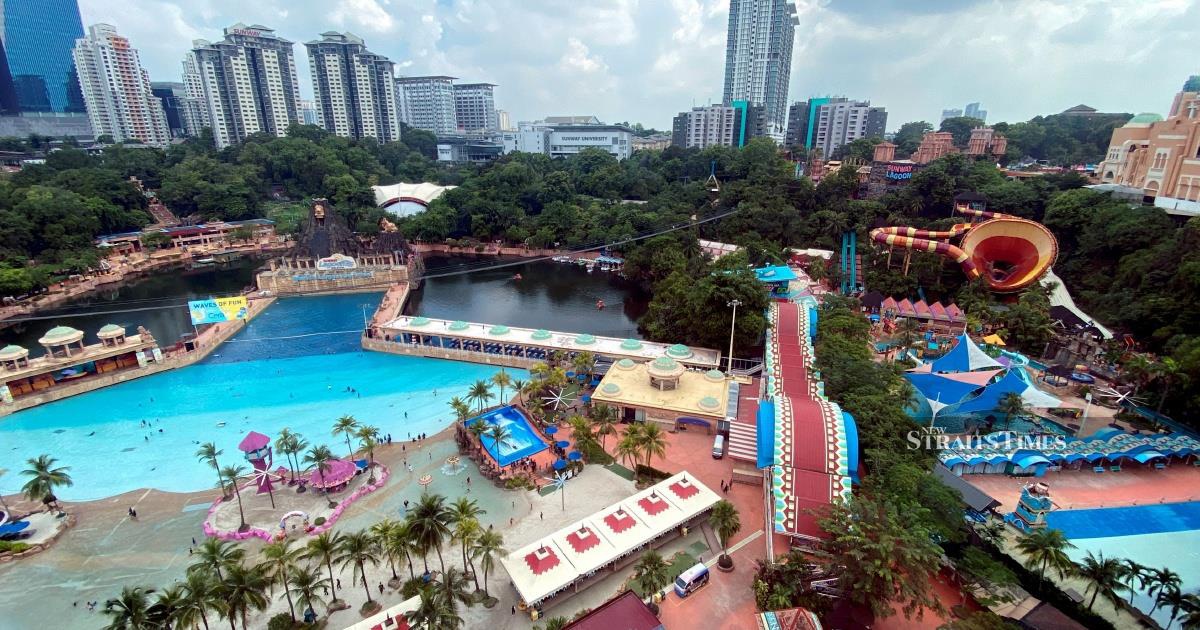
Malaysia's workplace safety regulator has embarked on a detailed forensic examination of the roller coaster malfunction at Sunway Lagoon, signalling heightened scrutiny into theme park safety standards across the nation. The Department of Occupational Safety and Health announcement represents a formal pivot from preliminary assessment to comprehensive technical and procedural analysis, a move that typically precedes regulatory enforcement action or revised safety guidelines.
Theme parks represent a significant economic pillar in Malaysia's tourism and hospitality sectors, attracting both domestic and international visitors to major entertainment destinations. Sunway Lagoon, among the country's flagship amusement facilities, draws hundreds of thousands of visitors annually who rely implicitly on rigorous safety management systems. The incident has thrust a spotlight on whether existing oversight mechanisms adequately protect public safety across the ride and attraction industry.
Forensic investigations in occupational safety contexts extend beyond mechanical failure analysis. DOSH's probe will likely encompass examination of maintenance schedules, inspection protocols, staff training documentation, and operational procedures surrounding the affected ride. Engineers will scrutinise design specifications, material integrity, and whether the equipment operated within manufacturer parameters and regulatory compliance thresholds. Such investigations frequently uncover cascading failures—instances where multiple procedural, human, or technical factors converge to create hazardous conditions.
The regulator's intervention carries significant implications for the broader theme park and attractions industry in Malaysia. Should the investigation reveal systemic deficiencies, DOSH may issue compliance notices, impose operational restrictions, or mandate facility-wide safety audits. Theme parks nationwide may face intensified inspection schedules and higher compliance costs. Industry operators are likely monitoring the investigation closely, recognising that regulatory responses to high-profile incidents reshape operational requirements and liability exposure across the sector.
Malaysia's occupational safety framework, governed through the Occupational Safety and Health Act 1994, empowers DOSH to investigate workplace incidents and mandate corrective measures. Forensic investigations represent the regulator's most rigorous enforcement tool, typically deployed when incidents result in injuries or fatalities, or when preliminary findings suggest potential regulatory violations. The thoroughness of such probes establishes precedent for how similar facilities must operate going forward.
Theme park incidents generate ripple effects throughout the tourism ecosystem. Perceptions of unsafe conditions damage destination reputation, potentially deterring visitors and impacting allied businesses including hospitality, transportation, and retail sectors. Conversely, transparent investigation processes and demonstrated commitment to safety upgrades can restore public confidence. The manner in which authorities and facility management respond to this incident will shape consumer behaviour and investment decisions within Malaysia's entertainment venue industry.
International theme park operators maintaining facilities in Malaysia will watch this investigation intently. Global safety standards, particularly those established by industry bodies and international peers, increasingly inform Malaysian regulatory expectations. Should DOSH identify compliance gaps compared to international protocols, facilities may be required to implement upgraded systems, potentially creating standardisation pressures across the regional market.
The forensic phase represents a critical juncture where technical expertise meets regulatory authority. Findings will determine whether incidents result from one-off mechanical failure or endemic safety culture shortcomings. This distinction carries enormous weight—isolated failures might trigger targeted equipment replacement, while systemic issues demand comprehensive operational restructuring and often result in sustained regulatory oversight.
For Malaysian consumers, the investigation underscores the regulatory machinery designed to protect public safety in commercial leisure facilities. The transparency of DOSH's process and quality of its conclusions will influence public confidence in theme park safety certifications and regulatory competence generally. Families considering visits to amusement destinations will calibrate risk assessments based on investigation findings and any resulting operational changes.
The incident also highlights the intersection between tourism economics and public safety regulation. Malaysia's competitive position as a regional entertainment destination depends partly on visitor confidence in safe attractions. Regulatory responses that effectively address safety concerns whilst enabling continued operations represent the optimal outcome for balancing public protection with industry viability. DOSH's investigation will demonstrate whether Malaysia's occupational safety framework can achieve this equilibrium.
Stakeholder communication throughout the forensic process matters significantly. Theme park operators, affected individuals, industry representatives, and the travelling public benefit from clear, timely information about investigation progress and preliminary findings. Opacity generates speculation and erodes confidence; transparency builds legitimacy for eventual regulatory determinations.
The investigation's conclusion will likely trigger cascading actions. DOSH may issue industry-wide directives, individual compliance notices to Sunway Lagoon, or prosecutions if violations are substantiated. These outcomes will establish benchmarks for how similar incidents are handled across Malaysia's growing entertainment venue sector, influencing safety investment priorities and compliance strategies throughout the industry.

