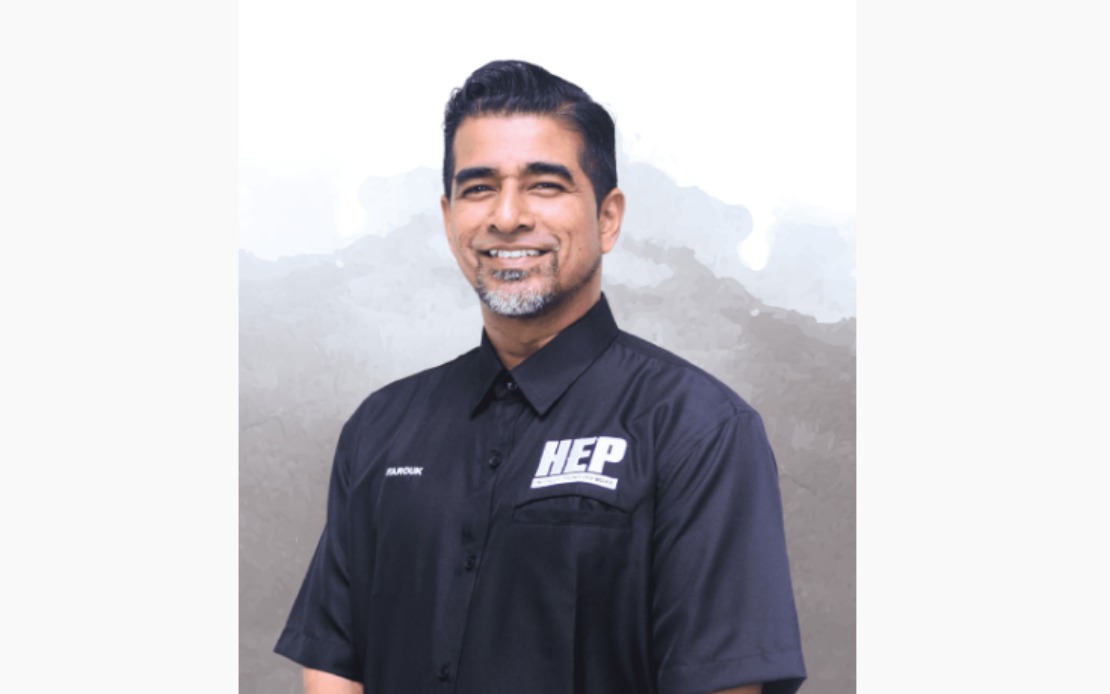
Universiti Teknologi MARA (UiTM) Kelantan is encouraging underprivileged students to accept their university places, assuring them that substantial financial and welfare support exists to help manage educational costs. Deputy Rector for Student Affairs Meer Zhar Farouk Amir Razli emphasised that applicants need not rely exclusively on PTPTN loans, as the institution provides zakat assistance, welfare allocations and residential college facilities through the Dapur MADANI programme.
The Dapur MADANI initiative specifically assists students in covering accommodation and living expenses while pursuing their degrees. Meer Zhar stressed that both students and parents should fully explore available assistance options before rejecting admission offers, particularly given the increasingly competitive landscape for places at Malaysia's public universities.
The university recently launched the Rector's Cakna Programme in partnership with local non-governmental organisations to support newly admitted students facing hardship. As part of this outreach, Meer Zhar presented a laptop to 19-year-old Norzarra Dhania Amir Abdullah, from a low-income household in Jalan Kebun Sultan, to prepare her for the September semester.
Norzarra Dhania's circumstances exemplify the challenges facing underprivileged applicants. The eldest of seven children, she had previously turned down a UiTM Sarawak offer due to financial constraints. Her family relies solely on her mother's income as a restaurant worker since her father became unable to work following a diabetes diagnosis four years ago.
With her latest acceptance to UiTM Kelantan for a Diploma in Management, proximity to her family has made continued education feasible. "My dream of continuing my studies never faded. Alhamdulillah, this time I received an offer from UiTM Kelantan, which is closer to my family and helps reduce expenses," Norzarra Dhania said. Her situation underscores how institutional support mechanisms can transform educational opportunities for Malaysia's most economically vulnerable students.