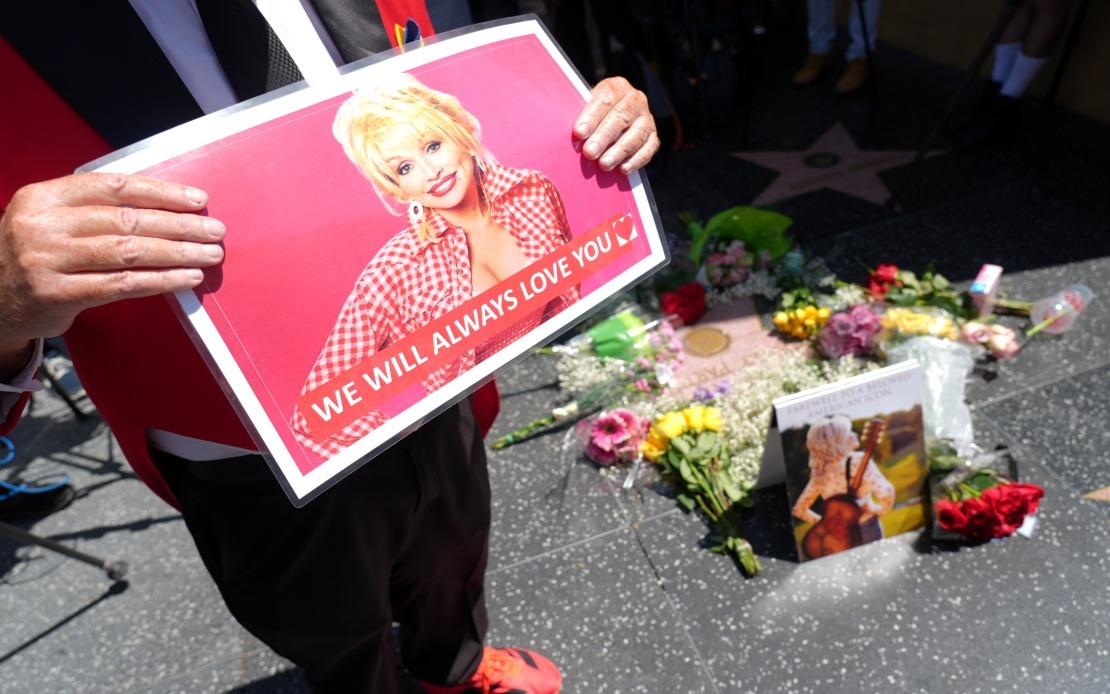
The music world mourns the loss of Dolly Parton, one of the most influential entertainers of the past seven decades. The legendary country singer passed away at the age of 80, with her family making the announcement through social media on Tuesday via a video message shared by her nephew, Bryan Seaver. The circumstances surrounding her death remain private, as no cause has been made public by the Parton family.
Parton had been contending with health challenges in recent months that forced her to withdraw from public commitments. Among the casualties was her planned Las Vegas residency, which she was compelled to postpone. In communications with her devoted fanbase mere days before her passing, she conveyed that she was in recovery mode, responding positively to the medical interventions and therapeutic treatments she was receiving. These difficulties represented a rare slowdown for an artist whose energy and work ethic had defined her career for over sixty years.
The genesis of Parton's extraordinary journey traces back to Sevierville, Tennessee, where she entered the world in 1946 into humble circumstances. Despite economic hardship, her family nurtured her artistic inclinations from an early age. By the time she reached ten years old, she was already performing on local radio broadcasts, demonstrating a maturity and talent that belied her years. At thirteen, she achieved a milestone by recording her debut single, "Puppy Love," the same year she made her memorable first appearance at Nashville's legendary Grand Ole Opry venue.
Following her relocation to Nashville in 1964, Parton swiftly established herself not merely as a vocalist but as a formidable songwriter whose compositions attracted the interest of other prominent recording artists. This dual mastery of performance and songwriting became her hallmark. Her visibility and influence expanded considerably when she became a featured performer on Porter Wagoner's television variety programme, a partnership that lasted from 1967 through 1974 and introduced her to millions of viewers across North America.
The 1970s represented the creative apex of Parton's artistic output, a period during which she produced some of the most enduring compositions in country music history. "Jolene," with its haunting melody and compelling narrative, and "I Will Always Love You" emerged during this decade as definitive expressions of her songwriting prowess. The latter composition transcended its country roots when Whitney Houston recorded a rendition that became a global phenomenon, introducing Parton's work to audiences far beyond traditional country music enthusiasts and cementing her influence across multiple genres.
Parton's talents extended well beyond the recording studio and concert stage. She demonstrated considerable range as a dramatic actress, taking roles in significant films including 9 to 5 and Steel Magnolias, projects that showcased her versatility and screen presence. Alongside these entertainment accomplishments, she became equally renowned for her substantial philanthropic endeavours, particularly through the Imagination Library initiative, an organization dedicated to distributing complimentary books to children in underserved communities, embodying her lifelong commitment to education and youth development.
The statistical dimensions of Parton's career underscore her monumental impact on popular music. She accumulated record sales exceeding 100 million copies worldwide, a figure placing her among the most commercially successful artists in history. Her recognition by the music industry manifested through numerous accolades, including eleven Grammy Awards, alongside induction into both the Songwriters Hall of Fame and the Rock and Roll Hall of Fame. These honours reflect not merely commercial success but the artistic respect she garnered from peers and industry professionals throughout her career.
For Malaysian and Southeast Asian audiences, Parton's passing represents the conclusion of an era in popular culture that transcended geographical and cultural boundaries. Her songs became part of the global musical landscape, covered and celebrated across continents and languages. The universality of her themes—love, loss, resilience—resonated with listeners regardless of their background, making her work accessible to audiences far removed from American country music's traditional strongholds. In the region's entertainment and music industries, her influence can be observed in artists who drew inspiration from her approach to songwriting and performance.
Parton's legacy extends beyond mere entertainment metrics. She exemplified the possibility of social mobility and artistic achievement emerging from poverty, a narrative with particular relevance in developing societies. Her philanthropic work, particularly her commitment to literacy and childhood development through the Imagination Library, demonstrated how successful entertainment figures could redirect their resources toward meaningful social causes. This multifaceted approach to celebrity and influence has inspired countless individuals working in creative industries across Asia and beyond.
The immediate months preceding her death saw Parton attempting to remain engaged with her audience despite physical limitations, reflecting the dedication that characterized her entire professional life. Her willingness to communicate honestly about her health struggles, rather than retreating entirely from public view, offered a template for how public figures might navigate personal adversity with grace and transparency. Her final communications with fans maintained the warmth and directness that had endeared her to millions throughout her career.
As the global entertainment community processes this significant loss, the catalog of Dolly Parton's work continues to circulate through streaming platforms, radio stations, and concert recordings, ensuring that her artistic contributions remain accessible to current and future generations. Her influence on country music itself—her songwriting innovations, her approach to crossover success, and her demonstration that entertainment careers could be constructed on authenticity rather than manufactured personas—will shape the industry for decades to come. The woman who rose from poverty in rural Tennessee to become a global icon leaves behind not merely a collection of hits but a blueprint for artistic integrity and social responsibility that transcends the boundaries of country music itself.

