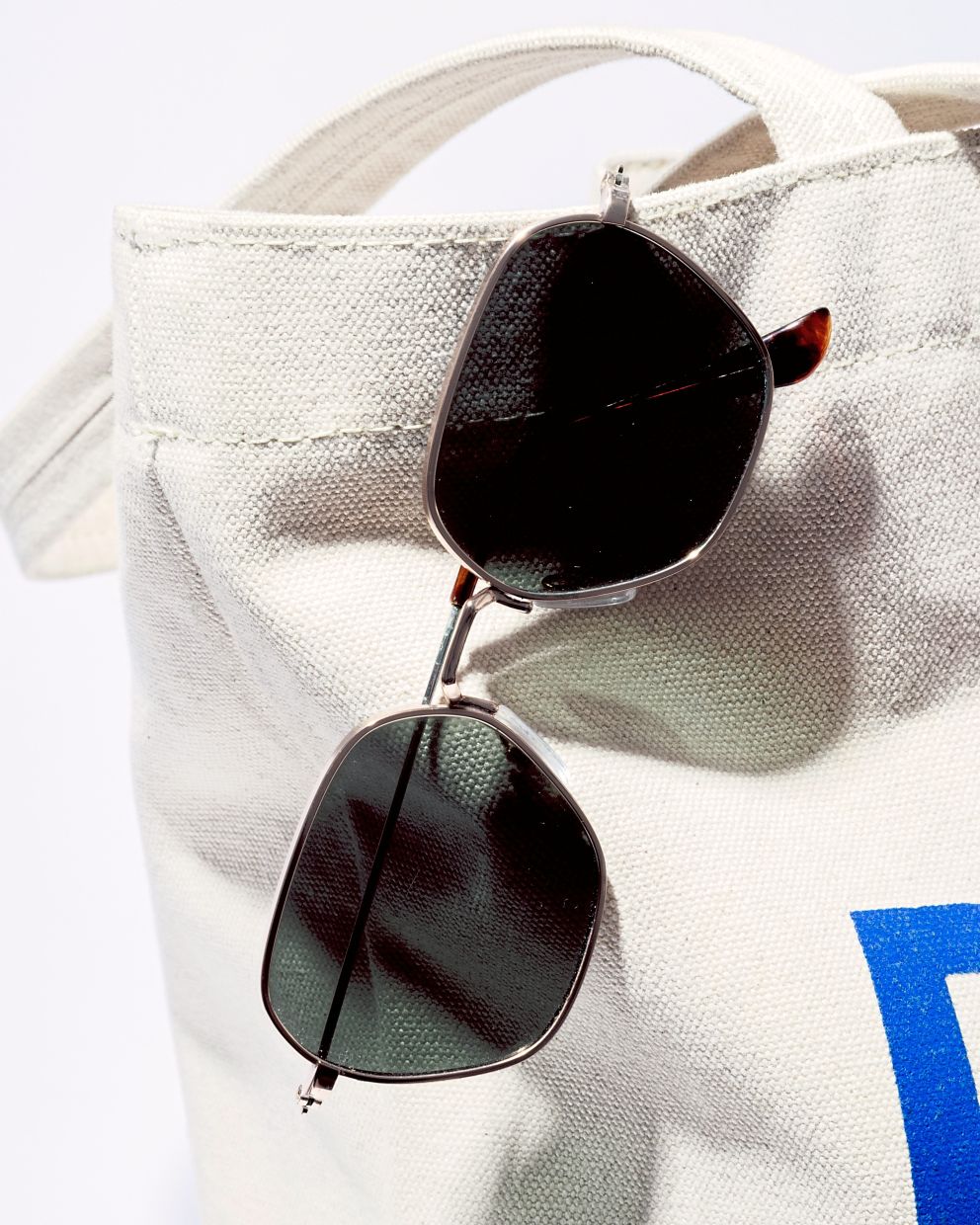
The question of whether sunglasses are a daily necessity hinges on understanding how ultraviolet radiation affects your eyes over time. Medical experts broadly agree that protecting your eyes from sun exposure matters significantly, though the specifics vary depending on your situation. The concern goes well beyond mere comfort—it encompasses serious health risks ranging from vision-threatening diseases to skin cancer around the delicate eye area.
Ultraviolet radiation reaches Earth in two primary forms: UVA and UVB rays, both of which penetrate the atmosphere regardless of whether conditions appear sunny or overcast. UVB radiation poses the greater immediate threat to ocular health, though UVA exposure accumulates silently over years. Ophthalmologists at major research institutions emphasise that these rays work gradually to damage the eye's structures, similar to how repeated sun exposure ages skin. The damage can manifest in multiple ways, each progressively compromising vision and comfort.
Cataracts represent perhaps the most familiar eye condition accelerated by UV exposure. While age-related cataracts develop naturally in many people, excessive sun exposure triggers their formation earlier in life by promoting protein buildup within the lens. The condition clouds vision progressively and typically requires surgical intervention once advanced. Beyond cataracts, UV radiation worsens age-related macular degeneration, a progressive disease affecting central vision that disproportionately impacts quality of life in older age. For Malaysian residents in the tropical region, where year-round intense sunlight is standard, this risk accumulates particularly quickly.
Less commonly discussed but equally important are pterygium and pinguecula—abnormal growths on the eye's surface caused by prolonged UV exposure. Pinguecula appears as a small yellowish bump on the white of the eye and typically causes minor irritation without vision impairment. Pterygium, however, grows directly into the cornea and can eventually obstruct vision severely enough to require surgical removal. These conditions are especially prevalent in equatorial and subtropical regions with intense, persistent sunlight throughout the year.
The skin surrounding your eyes faces particular vulnerability, with five to ten percent of all skin cancers in developed countries occurring on the eyelid. The tissue around the eyes contains numerous cell types, each capable of becoming cancerous when exposed excessively to UV radiation. This specific cancer risk differs substantially from the more generalised melanoma concern affecting other body areas, making eye protection a distinct medical priority.
Interestingly, people wearing prescription eyeglasses already possess significant protection without purchasing separate sunglasses. Modern prescription lenses, typically made from polycarbonate, incorporate UV-blocking properties as standard manufacturing practice. Even non-polycarbonate lenses usually receive special UV-protective coatings before dispensing. This means countless Malaysians who wear glasses for vision correction already have built-in eye protection comparable to dark-tinted lenses. The effectiveness depends on the manufacturer and retailer, but reputable optical shops consistently apply these protections to all lens types.
For those uncertain whether their existing glasses provide adequate UV protection, local optical shops can verify this using specialised equipment. The identification is straightforward: look for labelling stating "UV400" or "100% UVA/UVB protection," terms that essentially mean the lenses block 99 to 100 percent of ultraviolet light. This regulatory standard, enforced in developed markets, ensures consumers can make informed choices based on reliable product information.
While UV protection remains medically important, the immediate discomfort from bright light provides another compelling reason to wear appropriate eyewear. Excessive brightness causes squinting—the eye's natural defence mechanism—which contributes to wrinkle formation around the eyes over decades. Beyond aesthetic concerns, squinting indicates eye strain and can trigger fatigue, headaches, and dry eye syndrome. Tinted sunglasses reduce this visible light intensity and thereby alleviate these uncomfortable symptoms, making outdoor activities more pleasant particularly during midday hours when tropical sun intensity peaks.
A critical caveat involves extremely cheap sunglasses lacking proper UV protection. Paradoxically, very dark lenses without UV filtering prove more dangerous than wearing no eye protection at all. The darkness causes pupils to dilate, making the eye absorb more light while remaining completely vulnerable to UV radiation. This combination of expanded pupil size and unfiltered UV exposure delivers concentrated damage directly to the retina. Consumers should avoid bargain sunglasses from informal vendors and insist on products from established retailers guaranteeing UV protection specifications.
The practical approach recommended by ophthalmologists balances medical necessity with lifestyle convenience. For people wearing prescription glasses, separate sunglasses become optional unless bright conditions cause discomfort. For those without prescription correction, sunglasses offering verified UV400 protection become essential, especially in Malaysia's high-intensity tropical environment. Regardless of eyewear choices, experts recommend supplementing eye protection with wide-brimmed hats and facial sunscreen, particularly during extended outdoor exposure. These layered protections ensure UV exposure remains minimal while allowing safe enjoyment of outdoor activities.
Ultimately, the decision involves recognising that ultraviolet damage accumulates gradually and silently, with serious consequences emerging only years or decades later. Medical evidence strongly supports consistent eye protection throughout life, particularly in equatorial regions. The specific method—whether prescription glasses with built-in protection, dedicated sunglasses, or both—depends on individual visual needs and outdoor exposure patterns. The key principle remains straightforward: UV radiation damage is permanent and preventable, making consistent protection a straightforward investment in long-term vision health and quality of life.

