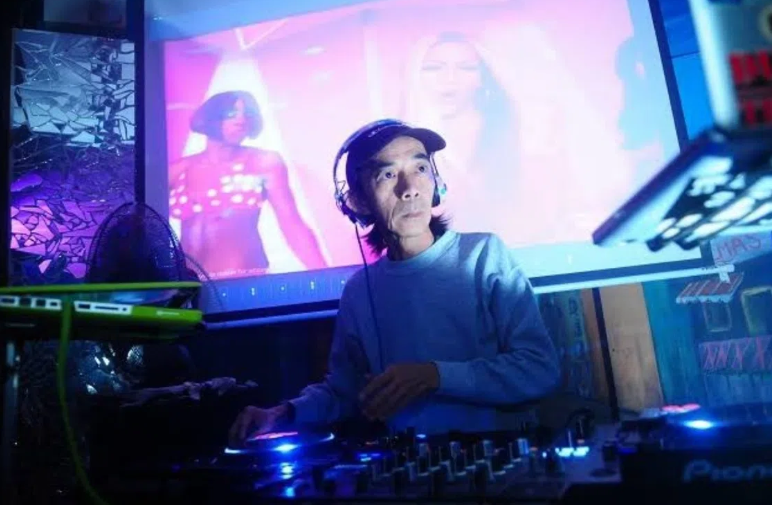
Andrew Chow, the influential disc jockey who helped establish Singapore's modern hip-hop and turntablism culture, died on August 3 from stomach cancer. He was 63 years old. Known professionally as DJ Wiz, Chow left an indelible mark on the island's nightlife landscape through decades of performances, mentorship, and artistic innovation that shaped multiple generations of music enthusiasts and aspiring DJs across Southeast Asia.
Chow's most significant tenure came during his years as resident DJ at the legendary Zouk nightclub on Jiak Kim Street, where he held court from the mid-1990s through the early 2010s. This period coincided with a golden age for Singapore's electronic music and hip-hop communities, when Zouk served as the regional epicentre for cutting-edge beats and turntable innovation. His presence at the venue became synonymous with quality programming and technical mastery, drawing devoted crowds who came specifically to witness his mixing and scratching prowess week after week.
Throughout the 1990s and 2000s, Chow accumulated an impressive collection of competitive accolades that testified to his standing among Asia's elite turntablists. He captured the DMC Singapore championship title on three separate occasions, establishing himself as a dominant force in the region's DJ competition circuit. His crowning achievement came in 1998 when he won the Singapore edition of the Technics World DJ Championships, a globally respected competition that attracted top talent from around the world. These victories were not merely trophies but validations of his technical innovation and artistic interpretation at a time when the discipline was rapidly evolving.
Chow remained engaged with the community until recently, appearing as both judge and performer at the DMC Warm-Up Battle event held at the nightclub Kossa on May 24. The event represented his continued commitment to nurturing emerging talent and maintaining standards within the turntablism community. More significantly, he had been slated to receive the DMC Legacy Award at the DMC Singapore event scheduled for September 6 at the venue Rasa, an honour designed to recognise lifelong contributions to the art form. He would not live to receive this recognition, though it stands as testament to how the industry viewed his impact.
DJ KoFlow, the stage name of Wayne Liu, a 45-year-old turntablist who followed in Chow's footsteps, paid tribute to his predecessor's role in sustaining hip-hop culture through an era when electronic music was not universally embraced in the region. Liu characterised Chow as someone who had devoted his entire career to propagating the values and aesthetics of hip-hop and turntablism in Singapore, effectively creating pathways for younger practitioners to pursue the craft professionally and artistically. His work represented far more than entertainment; it constituted cultural stewardship during a formative period.
Kavan Spruyt, the 46-year-old founder of Rasa and a prominent figure in Singapore's nightlife industry, recalled attending Zouk as a younger patron specifically to watch Chow perform. Spruyt remembered the experience as transformative, describing Chow as a commanding presence behind the decks who maintained technical perfection while simultaneously commanding the emotional energy of the dance floor. He characterised Chow as a hero whose influence extended beyond technical skill to encompass an entire philosophy of how electronic music could be performed and presented. The Friday big beat sessions at Phuture, the hip-hop-focused room within Zouk, became legendary partly through Chow's consistent excellence and showmanship.
Fellow veteran disc jockey Eddie Chan, known professionally as DJ Small, had maintained a friendship with Chow spanning four decades, positioning him as one of the few remaining witnesses to Singapore's early hip-hop experimentation. Chan described Chow as embodying the dual roles of educator and elder brother figure within the community, someone whose knowledge base extended across multiple musical genres and whose technical abilities remained uncompromised by trends or commercial pressures. Chan emphasised that Chow's scratching and mixing capabilities represented a standard of excellence that younger DJs aspired toward, making him simultaneously a competitive peer and a stabilising influence.
Chow's daughter, Abby Chow, aged 27, oversaw the funeral arrangements with a sensibility that reflected her father's personality and values. She requested that attendees wear colourful and stylish clothing rather than conventional funeral attire, framing the occasion as a celebration of Chow's distinctive character and lifestyle. Her phrasing—"Daddy is a cool guy"—captured the affection and pride with which family members remembered him beyond his professional achievements. The wake was held at Block 406 Ang Mo Kio Avenue 10, with the cortege departing on August 8 at 4.15 pm for cremation at Mandai Crematorium Hall 4 at 5 pm.
Abby's social media announcements revealed that Chow's passing generated substantial outpouring of recognition from within Singapore's music and nightlife communities. She expressed gratitude for the touching tributes and messages, noting that her father had passed peacefully and would have been deeply moved by the extent to which people appreciated his contributions. Her statements suggested that Chow had maintained a modest demeanour about his influence, perhaps not fully recognising the depth of respect and affection he commanded across multiple cohorts of musicians and enthusiasts.
Chow's death marks the departure of a foundational figure whose career spanned a transformative period in Southeast Asian popular culture. The transition from the 1990s through the 2010s saw electronic music and hip-hop shift from marginal subcultural phenomena to mainstream commercial forces, a journey that Chow navigated while maintaining artistic integrity and technical standards. His influence extended beyond Singapore's borders, as the island's nightlife scene developed regional significance, with artists and enthusiasts from Malaysia, Indonesia, and beyond making pilgrimages to Zouk specifically to experience performances by DJs of Chow's calibre.
For Malaysian and broader Southeast Asian readers, Chow's legacy carries particular resonance given the region's shared hip-hop and electronic music heritage. DJs and producers across Malaysia drew inspiration from Singapore's emerging scene, creating cross-border networks of collaboration and competition. Chow's commitment to technical excellence and cultural authenticity within the hip-hop tradition established benchmarks that influenced artistic development across the region. His passing reminds the community of the importance of preserving institutional knowledge and recognising pioneering artists before they depart.
The convergence of Chow's death with his scheduled recognition through the DMC Legacy Award creates a poignant moment of reflection about how artistic communities memoralise their foundational figures. The award now carries additional significance as a retrospective acknowledgement of his contributions during an era when hip-hop and turntablism lacked mainstream institutional support. His story exemplifies how individual artists, through sustained excellence and community commitment, construct cultural frameworks that enable subsequent generations to develop their artistic practices and identities. The Singapore nightlife landscape, and the broader Southeast Asian hip-hop community, will navigate the future without his direct presence but shaped permanently by his influence.

