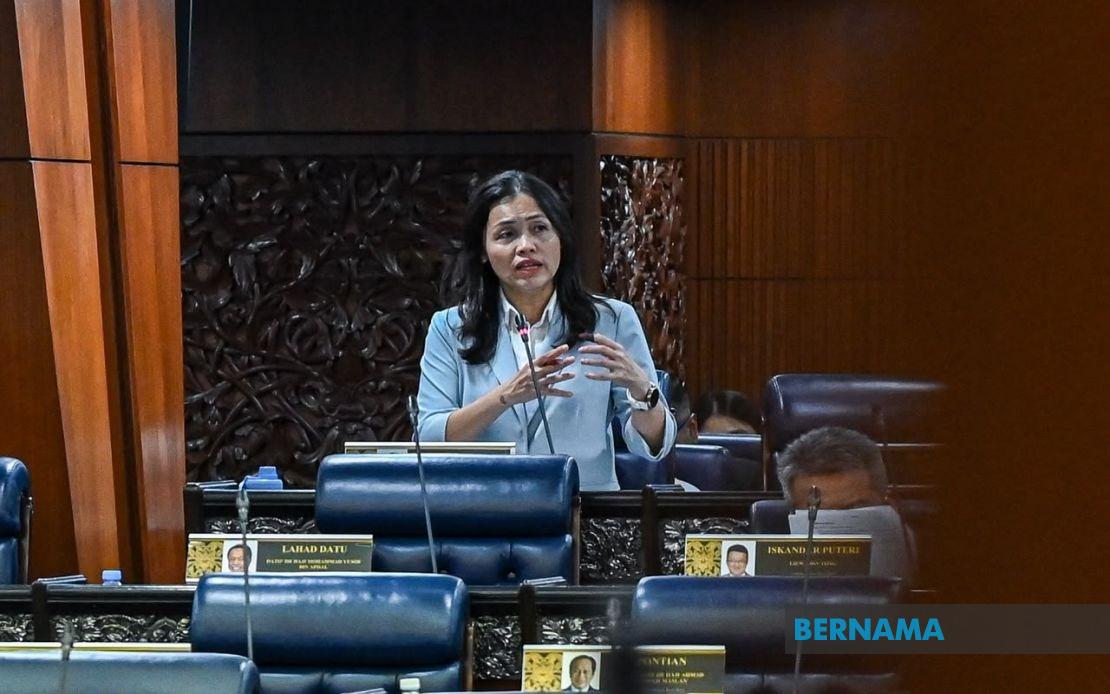
Malaysia has taken a significant step toward modernising its telecommunications regulatory framework after the Dewan Rakyat passed the Communications and Multimedia (Amendment) Bill 2026 on July 15. The legislative move represents an effort to align the country's communications laws with contemporary technological realities and emerging security challenges, while assuring citizens that the changes will not translate into higher consumer bills. Deputy Communications Minister Teo Nie Ching emphasised that the amendments respond to the accelerating pace of technological change, shifting geopolitical dynamics, and Malaysia's deepening dependence on robust digital systems that underpin everything from financial transactions to emergency services.
At the heart of the amendments lies the integration of national security considerations into the National Universal Service Provision (USP) initiative. This approach reflects growing international concern about the vulnerability of digital infrastructure to cyber threats and the necessity of ensuring critical communications networks can withstand disruption. By embedding security principles into the USP framework from inception rather than as an afterthought, policymakers aim to create a more resilient telecommunications ecosystem. The amendment deliberately maintains a narrow scope, confining changes to the communications and multimedia sector rather than expanding into domains governed by other government agencies, thereby preventing regulatory overlap and jurisdictional confusion.
The USP initiative itself addresses a long-standing challenge in Malaysia's development agenda: ensuring equitable access to communications services across the country's diverse geography. Rural communities, interior settlements, coastal regions, and island populations often find themselves disconnected from reliable telecommunications networks, creating digital divides that limit economic opportunity and compromise public safety. Teo's assurance that USP beneficiaries would include users in underserved areas signals recognition that universal service obligations remain essential infrastructure policy even in an era of technological abundance. The initiative is designed to enhance the security, resilience, reliability and continuity of communications services nationwide, recognising that connectivity is no longer a luxury but a foundational utility.
Financial sustainability emerged as a critical concern during parliamentary debate, with legislators seeking clarity on how the initiative would be funded and whether costs would ultimately burden consumers. Teo provided reassurance by explaining that the USP Fund would be financed exclusively through contributions from telecommunications licensees operating under Act 588, creating a dedicated revenue stream that insulates ordinary users from direct charges. Importantly, fund disbursements are restricted to network facility installation and provision of associated services, preventing misallocation to unrelated government expenditures. This framework aims to balance the legitimate costs of expanding and securing digital infrastructure against the principle that essential services should not become prohibitively expensive for ordinary Malaysians.
Parliamentary contributions revealed the practical dimensions of the USP challenge. Datuk Suhaimi Nasir from Libaran highlighted Sabah's particular vulnerability to communication gaps, underscoring how geographical remoteness compounds development challenges in East Malaysia. He stressed that reliable communications during emergencies and natural disasters can be literally lifesaving, enabling coordinated relief operations and allowing isolated communities to summon assistance. This regional perspective reflects how national communications policy directly affects disaster response capabilities and public safety outcomes in areas geographically distant from urban centres. The amendment thus addresses not merely convenience but critical infrastructure resilience in vulnerable regions.
Concerns about the adequacy of rural infrastructure funding reflected legitimate anxieties that new security-focused spending might redirect resources away from traditional coverage expansion. Datuk Mohd Suhaimi Abdullah from Langkawi pressed the Communications Ministry to disclose the existing USP Fund balance and provide transparent accounting of how allocations would be deployed. This demand for budgetary transparency reflects a broader pattern across Southeast Asia where officials seek concrete evidence that infrastructure spending reaches intended beneficiaries rather than becoming trapped in administrative overhead. The request implicitly acknowledges that without clear monitoring mechanisms and regular public reporting, even well-intentioned programmes can drift from their original purpose.
Cybersecurity emerged as a secondary but significant theme throughout the debate. Datuk Shahelmey Yahya proposed that the Malaysian Communications and Multimedia Commission (MCMC) establish gazettes defining emerging forms of digital manipulation, enabling ordinary citizens to recognise and defend themselves against online threats. This suggestion reflects an important insight: that regulatory responses to cyber risks must encompass not merely technical safeguards but public awareness and education. By regularly updating official guidance on evolving manipulation tactics, the MCMC could help Malaysian consumers develop the literacy necessary to protect their personal information and financial assets in an increasingly complex digital environment. Yahya further urged the commission to deepen its in-house cybersecurity expertise, acknowledging that regulatory bodies must themselves maintain world-class technical knowledge to oversee rapidly evolving industries effectively.
The bill's passage followed debate involving eighteen members of parliament across the political spectrum, indicating substantial parliamentary engagement with the measure. The majority vote in favour suggests broad cross-party recognition that Malaysia's communications legal framework required updating to address 21st-century realities. This consensus is noteworthy in a context where Malaysian politics frequently generates contentious divisions, suggesting that digital infrastructure and national security command relatively unified support among legislators concerned with Malaysia's competitiveness and citizens' welfare.
For Malaysian businesses and consumers, these amendments carry significant implications. The security enhancements embedded in the USP initiative could reduce vulnerability to cyberattacks targeting critical infrastructure, potentially protecting the financial services, healthcare, and government systems upon which economic activity depends. The commitment to expanding coverage without imposing user surcharges addresses a persistent policy tension: ensuring infrastructure investment occurs without creating barriers to access. For multinational technology companies operating in Malaysia, the amendments signal that the regulatory environment is evolving toward more explicit security requirements, necessitating compliance adjustments and potentially affecting network architecture decisions.
Regionally, Malaysia's approach to integrating security into universal service obligations may provide a template for neighbouring countries grappling with similar challenges. Thailand, Indonesia, and the Philippines all confront comparable problems of uneven connectivity and growing cybersecurity threats. By demonstrating that security integration need not compromise consumer affordability or rural expansion goals, Malaysia positions itself as a policy innovator in Southeast Asian telecommunications governance. The amendment thus transcends domestic significance, potentially influencing how peer nations approach the intersection of digital equity and security in their own regulatory frameworks.
Implementation will ultimately determine whether these legislative amendments achieve their stated objectives. The MCMC's ability to enforce security standards while preventing excessive compliance costs, the timely deployment of USP funds toward underserved regions, and the Communications Ministry's transparency in reporting progress will collectively determine whether this reform enhances Malaysia's digital infrastructure or becomes merely symbolic. The coming years will reveal whether these amendments successfully balance the competing imperatives of security, equity, affordability, and technological innovation that define modern communications policy.

