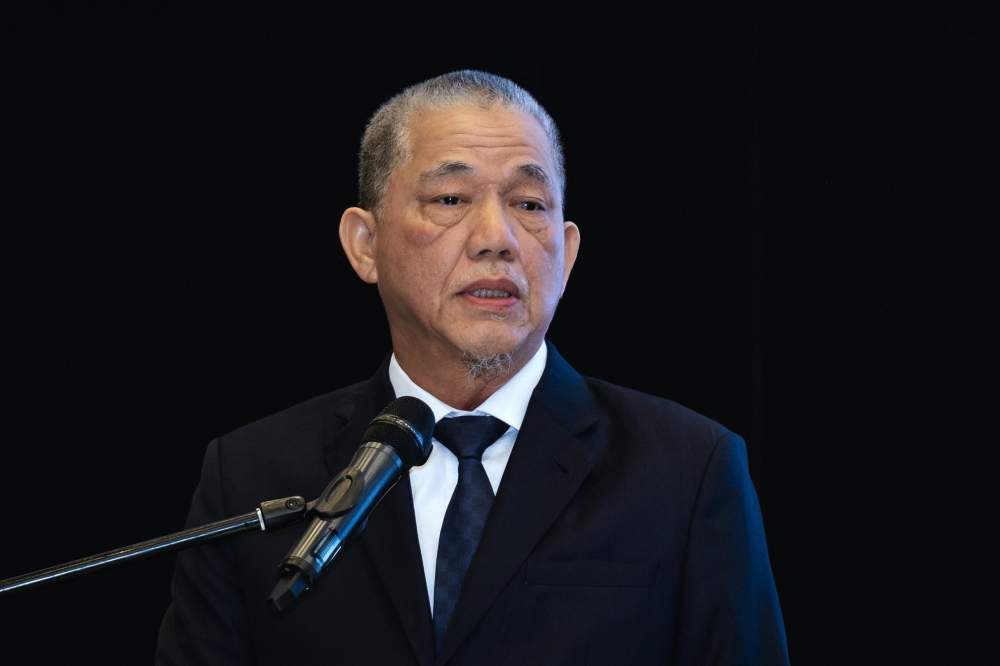
Deputy Prime Minister Datuk Fadillah Yusof is scheduled to undergo heart bypass surgery at the National Heart Institute (IJN) in Kuala Lumpur, the Malaysian government announced recently. The procedure comes after medical assessments determined that surgical intervention was necessary to address coronary artery conditions affecting the senior cabinet minister. During his period away from active ministerial duties, his responsibilities will be transferred to senior government officials to ensure continuity of governance.
The National Heart Institute, located in the federal capital, stands as Malaysia's premier cardiovascular treatment facility and a regional centre of excellence for complex cardiac procedures. IJN's surgical teams have established strong credentials in managing high-stakes cases requiring advanced bypass techniques. The decision to conduct Fadillah's operation at this institution reflects both the seriousness of his condition and confidence in Malaysia's healthcare infrastructure for managing conditions affecting the nation's political leadership.
Datuk Seri Mohamed Rajakah has been designated to assume Fadillah's ministerial portfolio during the period spanning the surgery and the subsequent recuperation phase. This arrangement ensures that critical government functions continue without disruption while the Deputy Prime Minister receives focused medical attention. Such transitional protocols are standard practice when senior office-holders require significant medical procedures, allowing them to recover properly without the pressures of high-level decision-making.
Fadillah's health situation underscores the physical demands placed on Malaysia's senior political figures, who often work under intense pressure managing complex national affairs. The Deputy Prime Minister has held various cabinet positions throughout his political career and is known for his extensive involvement in economic and policy matters. His temporary step back from active duties reflects the importance of prioritising health maintenance among the nation's leadership, setting an example that personal wellbeing cannot be compromised by political commitments.
Heart bypass surgery, while now a well-established procedure performed thousands of times annually across Malaysia and internationally, remains a significant medical intervention requiring comprehensive preparation and careful post-operative management. The procedure typically involves grafting healthy blood vessels to circumvent blocked coronary arteries, restoring proper blood flow to the heart muscle. Recovery periods vary based on individual circumstances, though most patients require several weeks before returning to demanding work schedules.
The announcement reflects Malaysia's robust institutional framework for managing government transitions during health emergencies affecting top officials. Parliament and cabinet operations have contingency arrangements enabling ministerial functions to be redistributed quickly and efficiently. Such mechanisms demonstrate the maturity of Malaysia's administrative systems in handling unexpected disruptions to the normal chain of command without creating governance vacuums or policy paralysis.
From a regional perspective, the situation highlights how Southeast Asian democracies manage leadership transitions prompted by health considerations. Unlike some neighbouring nations where illness affecting senior leaders can create political instability, Malaysia's constitutional frameworks provide clear mechanisms for temporary delegation of duties. This institutional stability provides confidence to investors, trading partners, and citizens that government operations continue smoothly regardless of individual health circumstances.
Fadillah's case also reminds Malaysians about the prevalence of cardiovascular disease across the region, driven by lifestyle changes, dietary habits, and aging populations. While wealthy nations have seen declining rates of heart disease through public health campaigns and preventive care, Southeast Asia faces rising incidence of coronary conditions. The Deputy Prime Minister's condition, despite his access to world-class medical facilities, illustrates that cardiovascular risk affects individuals across all socioeconomic strata and positions.
The recovery timeline for Fadillah will likely extend beyond the immediate post-operative period, as senior government officials typically require extended convalescence before resuming full ministerial workloads. This transition period will be important for monitoring his progress and ensuring that his return to active duty occurs only when he achieves adequate physical recovery. The government's approach—explicitly designating a successor to manage his portfolio—acknowledges this reality professionally rather than attempting to project an unrealistic timeline.
Malaysia's medical community, particularly IJN's cardiac specialists, will be closely monitoring this high-profile case, as outcomes involving senior political figures often influence public perception of domestic healthcare capabilities. Successful management of the Deputy Prime Minister's condition could strengthen confidence in Malaysia's medical infrastructure among both domestic and international observers. The National Heart Institute's reputation for excellence in handling complex cases positions it well to deliver the comprehensive, sophisticated care this situation demands.

