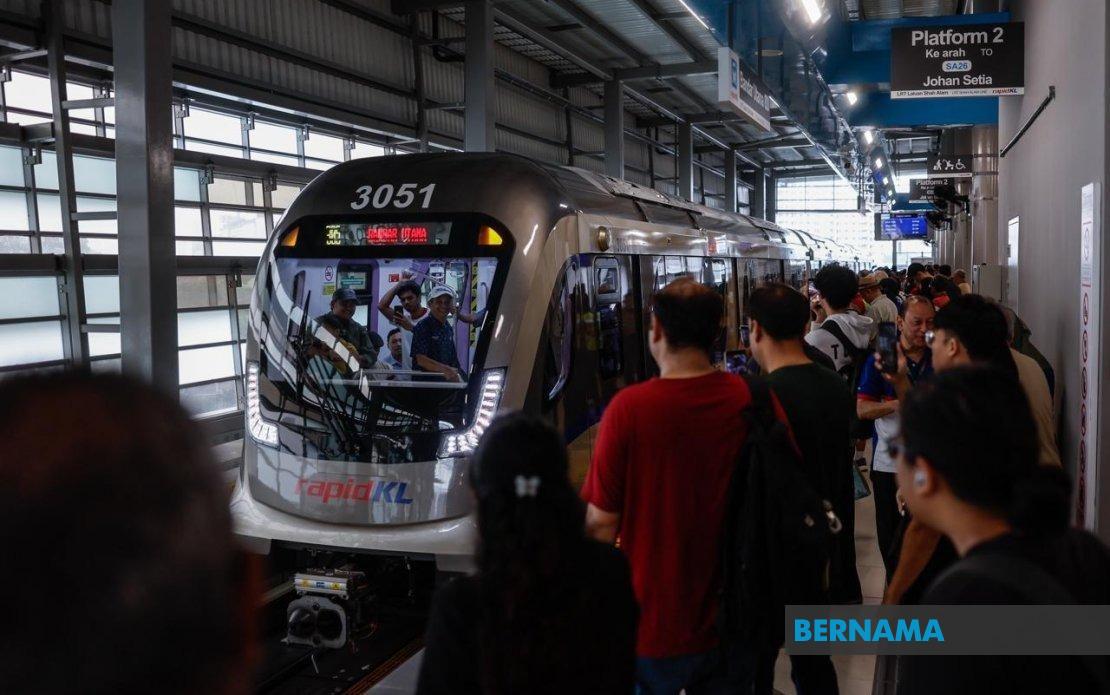
A mechanical defect in one of the train's systems caused an incident on the Light Rail Transit 3 (LRT3) Shah Alam Line on July 4, when the malfunctioning component made contact with the electrical power conductor, according to Rapid KL's statement released on July 14. The occurrence took place at 7.05 pm at Shah Alam Stadium Station and generated a loud sound similar to a small explosion along with visible sparks, though fortunately no passengers or staff sustained injuries during the episode.
Rapid KL's response to the incident was swift and methodical. Upon the immediate manifestation of the technical problem, staff removed the affected train from active service to prevent further potential issues. All passengers aboard at the time were safely evacuated at the subsequent station and accommodated on an alternative train to complete their journeys without significant delay to their travel plans.
The investigation and remediation process proceeded without extended downtime. The train in question was transported to Rapid KL's maintenance depot where technicians conducted comprehensive diagnostic testing and structural assessments. The specific component that had come into contact with the power conductor was identified, assessed for damage, and subsequently replaced with a new unit meeting operational specifications.
Before the train resumed its regular duties on the LRT3 network, Rapid KL completed thorough safety verification procedures to ensure all systems functioned correctly. Inspectors confirmed the replaced component and related electrical systems were operating within normal parameters before authorising the train's return to passenger service. This methodical approach reflects industry standards for rail safety protocols following any electrical or mechanical incident.
Beyond the immediate response to this particular incident, Rapid KL implemented a broader precautionary programme across the LRT3 fleet. The company ordered comprehensive inspections and continuous monitoring of other trains operating on the Shah Alam Line to detect any similar component degradation or potential issues before they could result in service disruptions or safety concerns. This preventative maintenance strategy aims to identify and address systemic problems across multiple vehicles.
The incident highlights the importance of robust maintenance schedules in urban rail systems serving millions of commuters annually. The LRT3 Shah Alam Line, which opened in 2023, carries significant volumes of daily passengers throughout the Selangor region, making reliability and safety paramount operational objectives. Technical faults, though often rectifiable, underscore the need for continuous vigilance and investment in diagnostic equipment and trained personnel.
Rapid KL emphasised that passenger safety constitutes the foundation of its operational philosophy and decision-making processes. The company's statement reaffirmed its commitment to maintaining the highest safety standards across all LRT3 operations and acknowledged the importance of transparent communication with the public regarding incidents and remedial actions. This openness helps build and maintain public confidence in the transit system.
For commuters in the Klang Valley, the incident and its swift resolution provide reassurance that safety protocols are functioning as intended. When mechanical problems do occur—as they inevitably do in any complex transportation network—the system's ability to detect, isolate, and resolve issues without causing widespread disruption demonstrates operational maturity. However, the broader question of aging infrastructure and component reliability across Malaysia's rail networks remains a topic of ongoing concern.
The LRT3 Shah Alam Line continues to serve as an important transport artery for residents commuting between Shah Alam and central Kuala Lumpur. Maintaining service reliability directly impacts economic productivity and quality of life for thousands of daily users. Incidents such as this one, while relatively minor in this case, underscore the critical importance of sustained investment in maintenance, staff training, and technology upgrades to prevent more serious operational disruptions.
Rapid KL's handling of the July 4 incident exemplifies the technical competence required in modern urban rail operations. The company's ability to quickly diagnose the problem, implement repairs, and verify safety before returning equipment to service reflects professional management standards. Going forward, similar transparency and proactive maintenance across Malaysia's entire rail network will be essential to supporting the nation's urban mobility objectives and public transport expansion plans.

