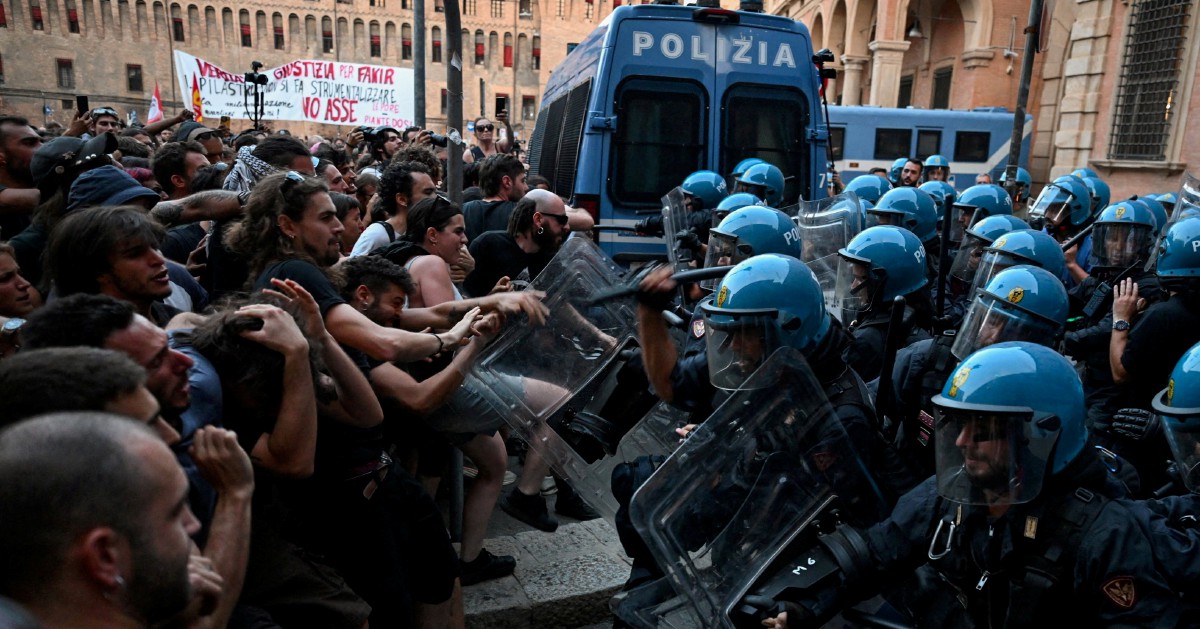
The death of a Moroccan national during a police arrest operation in Italy has exposed mounting tensions between the two nations and sparked street demonstrations across Italian cities, with both governments now scrambling to address public and diplomatic fallout. Morocco's government has formally demanded complete transparency and detailed explanations from Italian authorities, while Prime Minister Giorgia Meloni has pledged to pursue the truth comprehensively, signalling the seriousness with which Rome is treating the incident and the international dimensions it has acquired.
The incident represents another chapter in the fraught relationship between police conduct and migrant communities in Europe, where deaths during arrests involving foreign nationals often trigger heated scrutiny from both the countries of origin and international human rights organisations. For Malaysia and other Southeast Asian nations, such developments carry particular relevance, as the treatment of foreign nationals and immigrant workers in developed economies directly affects policy considerations regarding bilateral agreements, working conditions protections, and diplomatic protocols.
Italy's interior and justice ministries have launched formal investigations into the circumstances surrounding the death, with preliminary inquiries designed to establish whether proper procedures were followed and whether excessive force or negligence contributed to the fatality. The scope of these investigations will be crucial in determining whether systemic issues exist within Italian law enforcement training and accountability mechanisms, questions that have periodically surfaced in Europe's broader debate about policing standards.
Morocco's official response, though diplomatically phrased, carries unmistakable weight. By requesting full clarification rather than merely expressing concern, Rabat has signalled that it expects Italy to demonstrate genuine commitment to accountability. This position reflects broader concerns across North African and African nations about how their citizens are treated during encounters with foreign law enforcement, and sets a precedent for how similar incidents will be handled in future bilateral relations.
The street protests that have erupted demonstrate genuine public concern extending beyond diplomatic channels. These demonstrations reflect anxieties within Italy's Moroccan and broader immigrant communities about safety and fair treatment within the criminal justice system. For Southeast Asian migrants working in Europe—whether as domestic workers, care staff, or in other sectors—such incidents raise legitimate questions about their own vulnerability during police interactions and the adequacy of protective mechanisms.
Prime Minister Meloni's commitment to pursuing truth represents both a political necessity and an opportunity for Italy to demonstrate its commitment to transparent governance. Her willingness to engage seriously with Morocco's concerns suggests recognition that international incidents involving law enforcement can rapidly escalate if governments appear dismissive or defensive. This approach contrasts with historical instances where authorities in various countries have downplayed such events, ultimately creating greater diplomatic damage.
The investigation's outcome will likely influence how Italy is perceived internationally regarding immigrant and minority rights, an important consideration for European diplomatic standing. Other nations monitor such cases carefully, as they indicate how migrants and foreign nationals can expect to be treated. For Southeast Asian governments, these cases inform assessments of which countries offer adequate protections for their citizens abroad, a factor that influences labour migration agreements and official travel advisories.
The timing of this incident occurs within a broader European context of debates about immigration, border security, and integration. Italy, positioned at the Mediterranean crossroads of migration routes, has faced particular pressures regarding immigrant populations. How authorities handle sensitive cases involving foreign nationals therefore carries outsized symbolic weight, potentially influencing public opinion on immigration policy across the continent.
Historically, deaths occurring during police operations in developed nations often lead to reforms in training, body camera deployment, or operational procedures. The Italian authorities' approach to this investigation will reveal whether they view the incident as an isolated tragedy requiring individual accountability or as a potential indicator of systemic concerns demanding broader institutional review. Malaysia and other nations with significant populations abroad will be monitoring how thoroughly this assessment proceeds.
The diplomatic dimension of this case underscores how individual criminal incidents can acquire international significance when foreign nationals are involved. Morocco's insistence on clarification reflects standard practice for nations with citizens abroad, yet it also emphasises the importance of robust consular support and bilateral protocols for handling such sensitive matters. Southeast Asian governments might usefully note how Morocco has balanced firm demands with diplomatic language, a model that can be instructive for protecting nationals without unnecessarily inflaming international relations.
Beyond the immediate investigation, this case highlights the importance of transparent police accountability mechanisms accessible to international scrutiny. When deaths occur during arrests, the credibility of investigations depends partly on public confidence that processes are genuine, impartial, and not designed merely to exonerate authorities. Italy's response will contribute to broader perceptions about governance standards and rule of law across Europe.
The incident also illuminates how criminal justice interactions can become flashpoints for community grievance and international concern simultaneously. Moroccan communities in Italy, like many migrant populations across Europe, may harbour existing anxieties about policing fairness. Individual incidents can therefore activate broader concerns, explaining why street protests have materialised despite official investigations still being underway.
Moving forward, both Italy and Morocco have incentives to ensure the investigation is thorough and its conclusions credible. For Italy, demonstrating commitment to accountability serves domestic and international interests. For Morocco, engaging constructively with the investigation while pressing for genuine answers protects its nationals' interests without creating permanent diplomatic rifts. The balance these nations strike will likely influence how similar incidents are handled internationally in coming years, making this case significant not merely as an isolated tragedy but as a test of how developed democracies can address sensitive matters involving foreign nationals with both transparency and diplomatic maturity.

