Kuala Lumpur City Hall (DBKL) has rolled out three significant administrative reforms designed to ease the regulatory burden on traders and streamline the municipal approval process across the capital. The measures, which take effect immediately, represent a direct response to feedback from business operators and reflect an ongoing push to make Kuala Lumpur a more attractive destination for commerce and entrepreneurship.
The centrepiece of the initiative sets a standardised monthly permit fee of RM30 per set for tables and chairs placed on five-foot ways—the covered pedestrian corridors common throughout Malaysian commercial districts. This flat-rate structure replaces what traders had previously encountered as a fragmented and sometimes opaque fee structure, with costs varying depending on location, municipal officer discretion, and other factors. By establishing a transparent, uniform price point, DBKL has effectively created predictability for food vendors, café operators and other businesses relying on outdoor seating to drive customer engagement and revenue. Applications for these permits can now be lodged through DBKL branch offices organised by parliamentary constituency, streamlining the submission process and reducing unnecessary administrative touchpoints.
However, the approval framework includes substantive safeguards to protect public welfare. Applications will be assessed based on the suitability of the proposed location and the actual width of the five-foot way in question. Critically, DBKL has built in mandatory conditions ensuring that pedestrian walkways remain unobstructed, wheelchair accessibility is preserved, and emergency service access is not compromised. This balanced approach reflects recognition that while business growth matters, public safety and accessibility for vulnerable users cannot be negotiated away. The framework thus avoids the trap of blanket deregulation that might create chaos on Kuala Lumpur's streets.
The second reform targets the minor works approval process, eliminating unnecessary bureaucratic friction for low-risk construction or renovation projects. Traders seeking permits for work such as tile replacement, ceiling repairs or similar alterations that do not involve structural changes to a building no longer face lengthy evaluation cycles. Instead, applicants need only complete a straightforward form and notify the relevant DBKL branch office. Permits can then be issued directly at the constituency-level branch, dramatically accelerating what had previously been a time-consuming process. This refinement is particularly significant for small business owners operating on tight margins, for whom extended closure or delayed renovations can translate into meaningful lost revenue.
The expedited pathway does not, however, represent a complete waiver of oversight. DBKL has been explicit that compliance and safety requirements remain binding, and the streamlined process is restricted to genuinely minor interventions. This calibrated approach recognises that not all regulatory review adds value; sometimes it merely adds cost and delay without meaningfully enhancing safety outcomes. By focusing scrutiny on higher-risk work while reducing friction on routine maintenance, DBKL is applying proportionate regulation.
The third prong addresses a persistent pain point for food service operators: the closure of premises ordered shut due to hygiene violations. Under the previous regime, businesses faced extended downtime even after remedial action had been taken. The revised framework permits reopening as early as 24 hours following completion of necessary cleaning and sanitation work, provided that DBKL inspectors verify compliance with all relevant hygiene and food safety standards. Reopening is not automatic—inspections remain mandatory—but the compressed timeline acknowledges that closure periods can devastate small operators financially while also recognising that once proper remediation has occurred and been verified, continued closure serves no public health purpose.
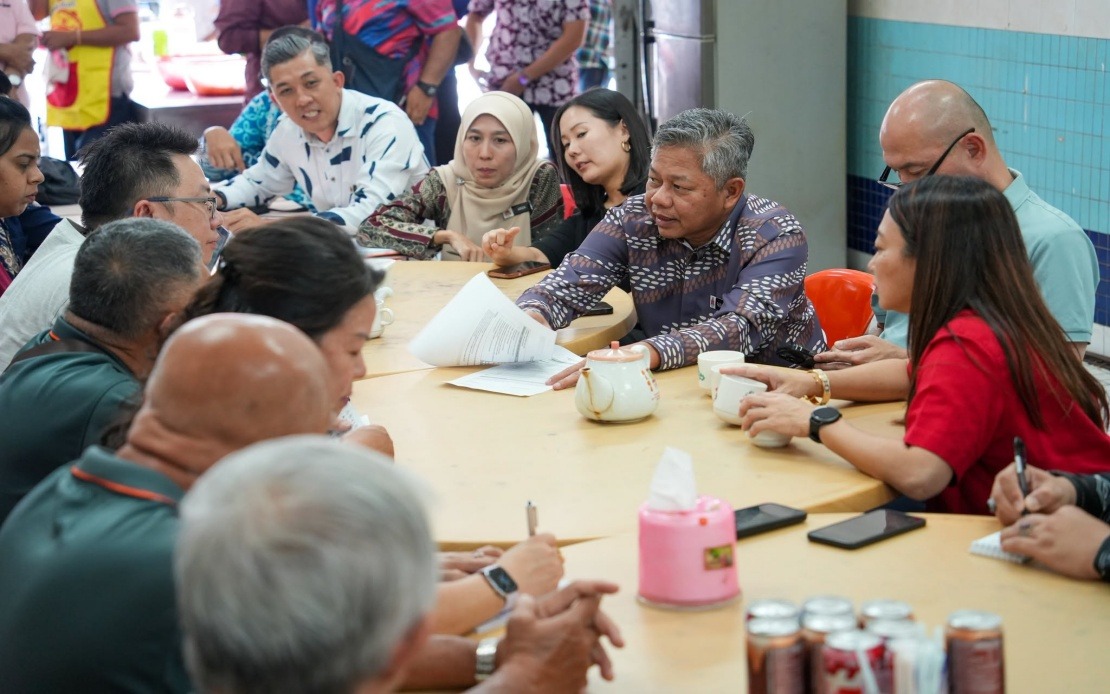
This revision reflects engagement with two key stakeholder groups. The Selangor and Kuala Lumpur Chinese Coffee Shop and Tea Shops Owners' Association participated in discussions leading to the reforms, as did the Malaysian Muslim Restaurant Owners' Association (PRESMA), which had previously raised concerns about reopening procedures with DBKL in April. These consultations signal that the reforms emerged from genuine dialogue with affected business communities rather than being imposed unilaterally from above.
DBKL has emphasised that all three improvements apply uniformly to traders meeting stipulated requirements, regardless of business background or premise type. This non-discriminatory framing is significant in Malaysian context, where accusations of uneven administrative treatment can quickly become politically charged. By establishing clear eligibility criteria and standardised processes, DBKL is attempting to reduce discretionary decision-making at the branch officer level—an approach that should benefit both honest traders and improve the integrity of municipal administration.
Central to the entire reform package is the commitment to standardisation and clarity. DBKL notes that transparent, consistent processes provide certainty to traders while simultaneously facilitating compliance officer work and reducing interpretative variation between different branch offices. In large municipal bureaucracies, consistency is perpetually elusive; different officers applying their judgment to identical situations can generate wildly divergent outcomes. By codifying requirements and centralising approval pathways, DBKL is tackling a long-standing friction point in Malaysian municipal governance.
The reforms come under the broader stewardship of Hannah Yeoh, Minister in the Prime Minister's Department (Federal Territories), and Kuala Lumpur mayor Datuk Seri Fadlun Mak Ujud. This ministerial-level engagement suggests the changes carry political backing and are unlikely to be quietly reversed by budget cuts or changing administrative priorities. For traders and small business operators across Kuala Lumpur, the practical significance lies in reduced regulatory friction, faster approvals, and more predictable fee structures—changes that, while incremental in policy terms, can materially improve business viability on the ground.
Regional observers may note that Kuala Lumpur's approach offers a model for other Southeast Asian cities grappling with how to balance entrepreneurial dynamism against legitimate public interest concerns. The framework avoids both the extremes of heavy-handed over-regulation and laissez-faire abdication of municipal responsibility. Whether these reforms translate into measurable economic benefits or improved business sentiment will become clearer in the coming months as traders navigate the revised approval mechanisms.

