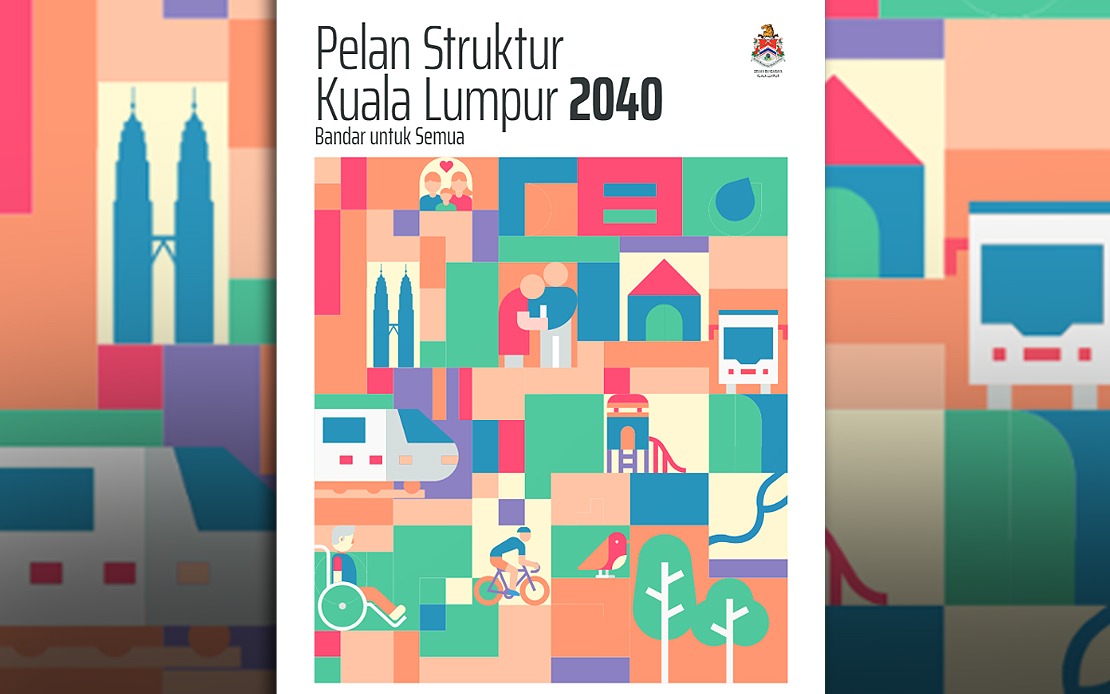
Kuala Lumpur City Hall (DBKL) has announced a postponement of the application window for proposed changes to the Kuala Lumpur Local Plan 2040 (PTKL2040), moving the closure date to August 7 at 5 pm. The move reflects DBKL's recognition that stakeholders require additional time to properly assemble and file their requests, a common challenge when dealing with complex planning amendments in Malaysia's capital city.
The extension provides registered property owners, real estate developers, and other interested parties with a longer runway to gather the necessary paperwork and prepare Letters of Intent that justify their proposed modifications to the local plan. DBKL emphasised that this additional period should be utilised to ensure applications meet all requirements and are presented in a thorough, organised manner that facilitates efficient processing.
Each Letter of Intent must contain detailed justifications explaining why the amendment is sought, accompanied by precise location diagrams or site plans showing the affected area, and current land title documentation proving ownership or legal interest in the property in question. These requirements ensure that DBKL can properly evaluate each proposal and assess its compatibility with broader urban planning objectives for Kuala Lumpur.
The amendment mechanism itself operates under Section 17 of the Federal Territory (Planning) Act 1982 (Act 267), which provides the legal framework governing how the local plan can be modified. This statutory provision allows flexibility within the planning system, acknowledging that circumstances and development priorities evolve and that the original 2040 framework may need periodic refinement to reflect changing economic and social conditions.
Potential applicants have two submission options. They may deliver their documentation in person to the director of DBKL's City Planning Department (JPRB), located on the ninth floor of Menara DBKL 1 along Jalan Raja Laut in the city centre, or send materials electronically via email, providing flexibility for those unable to attend in person during business hours. This dual-channel approach acknowledges practical constraints that applicants may face when compiling complex submissions.
Depending on the scale and complexity of the proposed amendment, applicants may need to hire a Registered Town Planner to prepare a Local Plan Amendment Proposal Report (LCPPT). DBKL will advise individual applicants whether this professional engagement is necessary once initial submissions are reviewed. This requirement ensures that larger or more significant amendments receive expert technical analysis before being formally considered.
To assist prospective applicants in understanding procedures and preparing submissions, DBKL has made an Application Checklist and the Kuala Lumpur LCPPT Manual available for download through the Kuala Lumpur Development Plan website. These resources outline precisely what documents are needed, what format submissions should take, and how to structure supporting arguments, reducing confusion and helping applicants avoid costly delays caused by incomplete filings.
The extension demonstrates DBKL's pragmatic approach to managing the amendment process during what appears to be a period of heightened development activity or planning uncertainty in Kuala Lumpur. By providing additional time, the city authority reduces pressure on applicants to rush submissions and increases the likelihood that applications will be substantially complete when received, ultimately speeding the formal review process once the deadline passes.
For Malaysian developers and property owners, the PTKL2040 amendment process represents an important mechanism for responding to market conditions or shifting investment strategies. The local plan, which extends to 2040, establishes land use designations, development densities, and other controls that directly affect property values and project feasibility. When circumstances warrant, amendments allow stakeholders to propose changes that reflect current realities rather than adhering rigidly to provisions established when conditions differed significantly.
The August 7 deadline falls within what is typically a quieter period in Malaysia's property market, potentially offering applicants breathing room to focus on document preparation without simultaneous pressures from active development projects. However, the timing also suggests that DBKL may be preparing for a formal review cycle, possibly with the intention of processing all received amendments in coordinated fashion rather than handling applications sporadically throughout the year.
For Kuala Lumpur's broader development trajectory, a healthy stream of amendment applications can signal market confidence and entrepreneur interest in the city, suggesting that planners may need to revisit certain restrictions or designations that current market actors find constraining. Conversely, a sparse submission rate might indicate that the existing plan generally aligns with market expectations, or that amendment procedures remain too burdensome relative to the perceived benefits of seeking formal changes.
Stakeholders in Kuala Lumpur's property and construction sectors should note this extended deadline and assess whether pending projects could benefit from seeking modifications to the PTKL2040. The extension window, lasting until early August, provides sufficient opportunity for those with serious proposals to organise documentation, consult with town planners if necessary, and submit applications without rushing. DBKL's emphasis on complete and orderly submissions suggests that thoroughness will be rewarded during the review phase.

