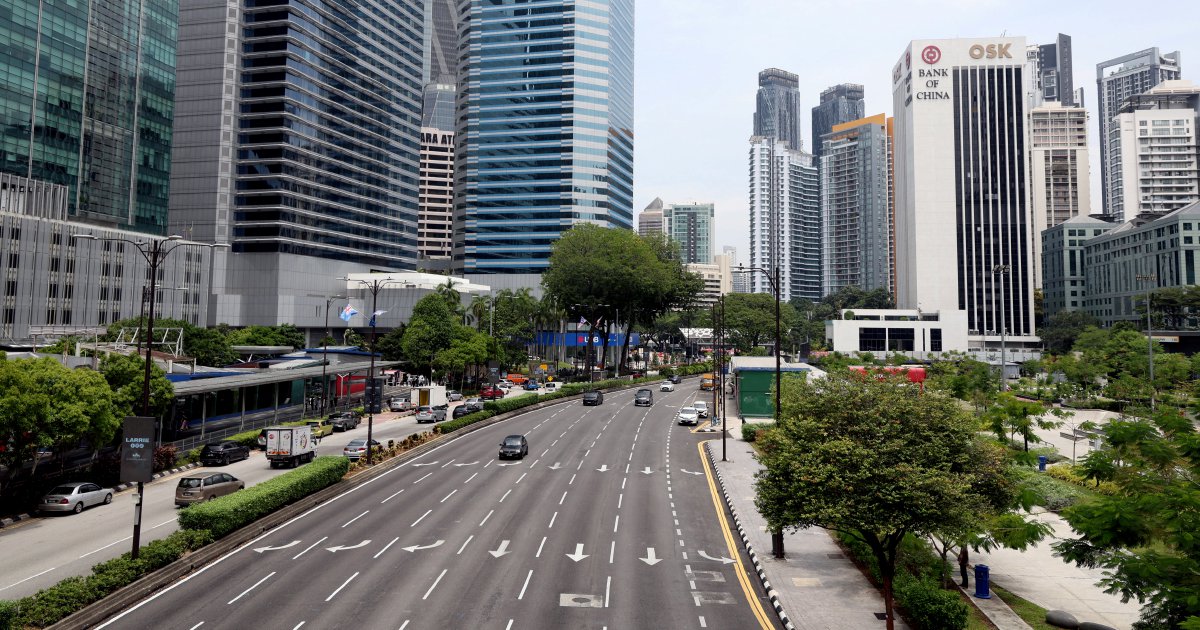
Kuala Lumpur City Hall (DBKL) has moved swiftly to address public safety concerns following a fatal tree-fall incident in the capital, initiating a multi-pronged technical investigation while simultaneously launching systematic inspections of mature and potentially hazardous trees throughout the city's arterial roads and public spaces.
The incident has drawn renewed attention to urban forestry management practices across Malaysia's capital, where thousands of mature trees line streets, parks, and residential areas. Concerns about tree safety in tropical urban environments have mounted in recent years as older specimens develop structural weaknesses, and the increasing frequency of severe weather events places additional stress on aging timber infrastructure. The tragedy underscores the complex balance cities must maintain between preserving green spaces that provide ecological and aesthetic benefits against the very real risks posed by trees in advanced stages of decline.
DBKL's investigation protocol will examine multiple contributing factors to the collapse, including the tree's age, health status, root system integrity, and environmental conditions that may have contributed to failure. Engineers and arboricultural specialists will assess whether disease, pest infestation, root rot, or soil instability played roles in the incident. Weather patterns preceding the fall will also come under scrutiny, as storms, wind gusts, or saturated soil conditions can substantially increase the probability of tree collapse, particularly among mature specimens that may have compromised structural integrity.
The city authority's inspection programme represents a critical first step toward understanding the broader condition of Kuala Lumpur's urban forest. By systematically evaluating mature trees along major thoroughfares, DBKL can develop a comprehensive database of risk levels, prioritize removal or remedial work on the most dangerous specimens, and implement preventive maintenance schedules. This data-driven approach will allow municipal planners to allocate resources more effectively and focus attention on high-traffic areas where tree failures pose the greatest risk to public safety.
For residents and businesses throughout Kuala Lumpur, the incident serves as a sobering reminder of hazards that often remain invisible until catastrophe strikes. Many urban dwellers rarely contemplate the structural condition of street trees they pass daily, assuming that such vegetation has been properly maintained. However, effective tree management requires ongoing investment in professional assessment, timely pruning, cavity treatment, and removal of specimens that have entered irreversible decline. These activities represent significant ongoing expenses for municipal authorities, creating budgetary pressures that sometimes result in deferred maintenance and accumulating risk.
The broader implications for urban planning across Southeast Asia are substantial. As cities throughout the region experience rapid growth and climate change intensifies extreme weather patterns, municipal authorities face mounting pressure to ensure that urban forestry practices keep pace with both development and environmental challenges. Countries like Malaysia, where tropical storms and monsoonal rainfall can stress trees severely, must develop sophisticated asset management systems that track tree health, predict failure risks, and prioritize interventions before incidents occur rather than responding after tragedies take lives.
DBKL's proactive stance following this incident contrasts with the reactive approach that characterizes tree management in many municipalities, where inspections typically occur only after a failure has occurred or complaints have accumulated. Systematic, scheduled evaluations represent best practice in urban forestry and reflect the growing professionalization of tree care as a critical municipal function. The city's commitment to conducting thorough technical investigations signals recognition that public safety infrastructure extends beyond visible utilities like roads and buildings to encompass the biological assets that shape urban character and livability.
The technical investigation will likely produce recommendations addressing protocols for tree evaluation frequency, removal thresholds, and maintenance standards. These guidelines can then inform municipal budgeting and workforce planning, ensuring that adequate resources exist to implement findings across Kuala Lumpur's extensive tree inventory. Neighboring municipalities and other Malaysian cities facing similar challenges may also benefit from DBKL's investigation results, as lessons learned can be adapted to local conditions and incorporated into state and federal forestry guidelines.
Public communication will prove essential as DBKL proceeds with inspections and investigation. Residents need assurance that the city is taking action while understanding that comprehensive tree assessment requires time and resources. Transparent reporting on inspection progress, risk findings, and remedial actions being taken can help rebuild public confidence in the safety of urban green spaces. Additionally, public education campaigns emphasizing the importance of reporting visibly damaged or declining trees can supplement professional inspection efforts, leveraging community observation networks to enhance safety monitoring.
The incident also highlights the importance of insurance and liability frameworks surrounding tree management. As municipalities undertake formal inspections and investigations, documentation of tree conditions and maintenance decisions becomes crucial for both operational improvement and legal protection. Establishing clear standards and demonstrating reasonable care in managing urban trees provides defensible positions should liability questions arise from future incidents, while also establishing benchmarks against which maintenance effectiveness can be measured.
Moving forward, DBKL's comprehensive approach—combining technical investigation with systematic inspections and implicit commitment to ongoing management—represents the standard that urban authorities across Malaysia should aspire toward. While tree failures cannot be entirely eliminated given natural unpredictability, professional management systems can substantially reduce risks and ensure that the benefits urban trees provide are not undermined by preventable tragedies. The investigation's findings will likely influence how other Malaysian cities approach their own arboricultural asset management, potentially establishing new standards for public safety in urban forestry nationwide.

