Kuala Lumpur's municipal authorities are taking a technological approach to managing the city's ageing tree population, with plans to deploy 200 monitoring sensors that will track the structural integrity and overall condition of potentially hazardous trees. The initiative represents a significant shift in how Malaysia's premier city manages its urban forest, moving from reactive tree removal to proactive health surveillance and preservation of mature specimens that contribute to the capital's green character.
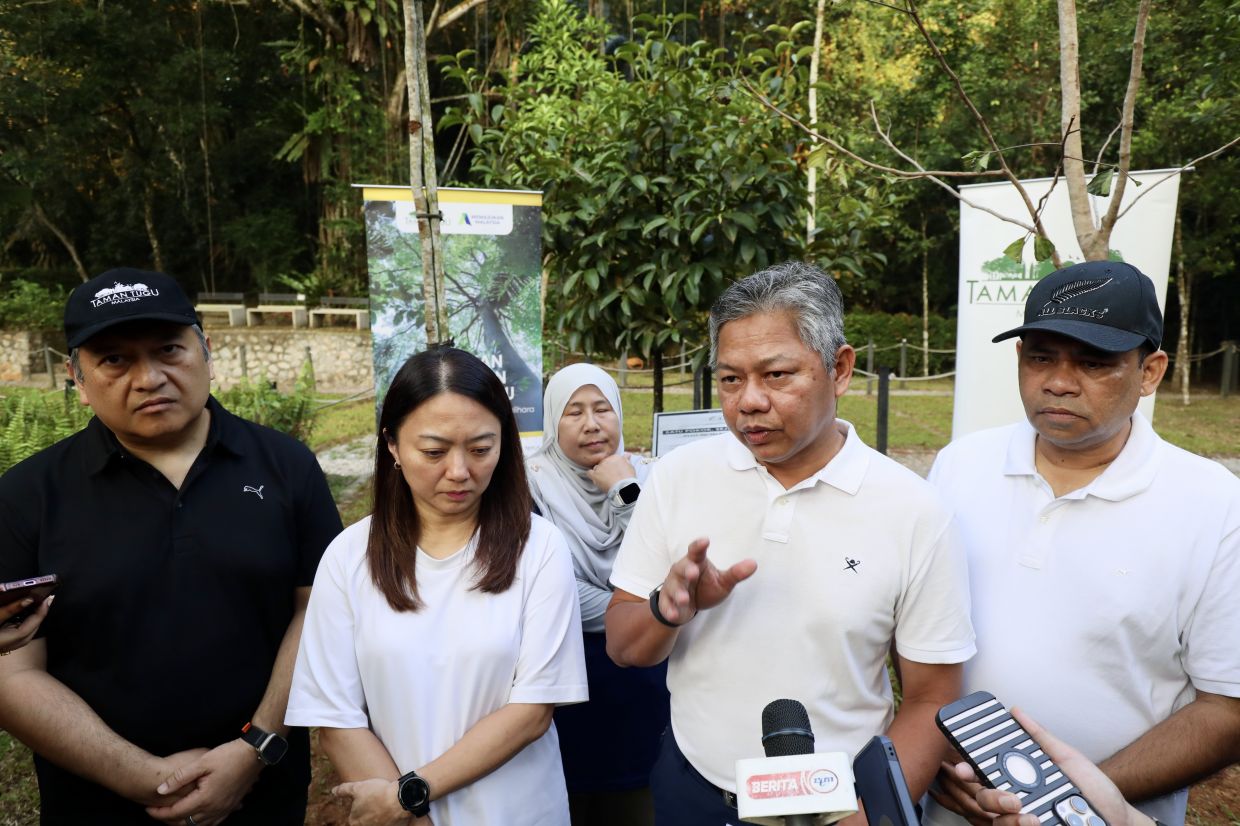
Datek Seri Fadlun Mak Ujud, the Kuala Lumpur mayor, unveiled the sensor installation programme during the launch of the Taman Tugu Plot Adoption Programme on Saturday, August 22. This monitoring effort follows the completion of an earlier mapping exercise that catalogued around 25,000 trees across the city, work funded through the Digital Ministry's support for smart city initiatives. The mapping phase provided municipal planners with comprehensive data on tree health status, allowing them to prioritise which specimens require the most intensive monitoring and intervention.
The sensor deployment represents the second phase of DBKL's broader urban tree management strategy, building upon the foundation laid by the detailed tree inventory. Each of the 200 sensors will be positioned approximately 1.2 metres above ground on strategically selected trees, with the devices connected to a centralised control centre that processes real-time data on tree condition. This technological infrastructure will enable City Hall staff to identify structural risks, disease, or environmental stress with minimal delay, facilitating rapid response protocols before trees become public safety hazards.
Fadlun emphasised that the approach prioritises conservation over felling, particularly for long-established specimens along major thoroughfares such as Jalan Ampang. Rather than removing trees that show signs of weakness, DBKL's strategy involves implementing supportive interventions—such as branch reinforcement and structural bracing—to extend the lifespan of mature trees while mitigating risk. This approach carries particular significance in an urban context where mature trees provide irreplaceable canopy coverage, stormwater management benefits, and environmental cooling that take decades to replace through new plantings.
Complementing the sensor installation, DBKL is committing to plant 200 new trees across the city, though implementation will depend on securing additional funding. The replacement planting strategy acknowledges that some mature trees will inevitably need removal despite preservation efforts, and the initiative ensures that new specimens establish alongside the city's existing forest stock. This balanced approach addresses criticism from environmental advocates who worry that rapid urbanisation in Kuala Lumpur comes at the expense of green spaces.
Hannah Yeoh, the Minister in the Prime Minister's Department overseeing Federal Territories, used the programme launch to reaffirm the federal government's commitment to protecting Kuala Lumpur's remaining green infrastructure. Yeoh signalled that her ministry views further commercial development as secondary to environmental preservation, a positioning that carries weight given pressures from business interests seeking to convert parks and forested areas into retail, residential, or mixed-use developments. Her public statement establishes a policy benchmark that could influence future land-use decisions across the capital.
The Taman Tugu Plot Adoption Programme, which formed the backdrop for these announcements, demonstrates the collaborative approach now emerging in Malaysian urban forestry. The scheme brings together government agencies, private sector sponsors, community organisations, and individual residents to rehabilitate and maintain urban green spaces. Participants adopt 9-square-metre plots within the park, with each area planted using native Malaysian forest tree species selected to recreate and preserve Taman Tugu's natural ecosystem characteristics.
Yeoh's ministry and DBKL each contributed RM50,000 towards tree planting and maintenance at Taman Tugu, signalling that financial commitment from both federal and municipal levels will underpin these conservation efforts. The equal matching of funds suggests institutional buy-in from both governance tiers, reducing the risk that programmes will stall due to budget constraints or shifting political priorities. This funding model could serve as a template for similar initiatives across other Malaysian cities grappling with urban forest management challenges.
The sensor-based monitoring system reflects broader global trends in smart city technology, where IoT devices and real-time data analytics increasingly inform municipal management decisions. For Kuala Lumpur, adopting such systems positions the capital alongside regional peers in Singapore and Bangkok that have implemented sophisticated urban forestry technology. However, the success of the initiative will ultimately depend on translating sensor data into timely maintenance schedules, adequate staffing for interventions, and sustained funding that can persist across multiple city administrations.
The implications of DBKL's strategy extend beyond immediate tree safety management. By demonstrating that conservation and technological innovation can coexist with urban development, the city establishes a model that Malaysian urban planners in other cities might replicate. The approach suggests that Kuala Lumpur's future growth need not require wholesale sacrifice of green infrastructure, though implementation will require sustained political will and budgetary discipline. For residents and environmental advocates, the sensor deployment and Plot Adoption Programme signal that decision-makers are beginning to weigh long-term environmental quality alongside short-term commercial returns.

