Malaysia's national monument square will transform into a massive viewing venue on Monday morning as Kuala Lumpur authorities prepare to broadcast the FIFA World Cup 2026 final live on a giant screen at Dataran Merdeka. The screening represents one of the centrepiece attractions within the broader Unity Merdeka programme, a multi-day initiative launched this week and extending through the weekend that aims to strengthen social cohesion across the nation's diverse communities.
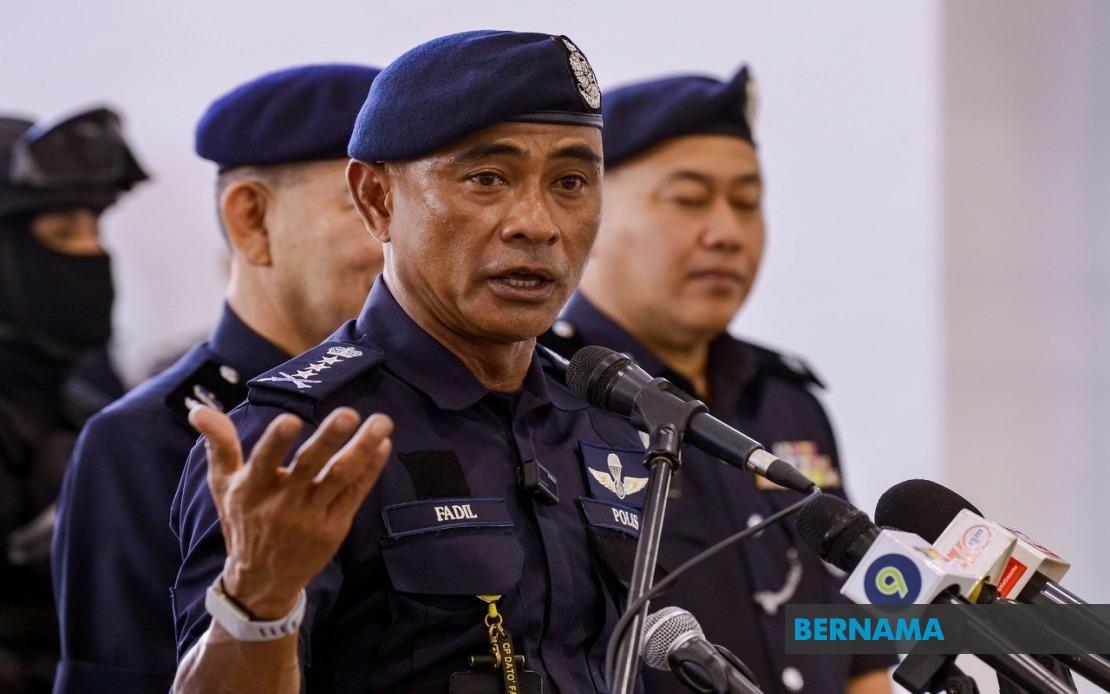
Kuala Lumpur police chief Datuk Fadil Marsus outlined the scope of the ambitious gathering, revealing that organisers are targeting an attendance of up to 300,000 people to witness the global football showdown together. The police force has partnered with 16 government ministries to execute the event, reflecting the scale of inter-agency coordination required. Beyond the headline sporting event, a full programme of activities will commence at 8 pm on Sunday evening, establishing a festive atmosphere that will crescendo with the match kickoff in the early Monday hours.
The initiative carries deeper significance than entertainment alone. By hosting a unifying national experience around a globally significant sporting moment, authorities seek to emphasise shared Malaysian identity across ethnic and religious lines. The programme's theme, Diversity United, Wellbeing Preserved, encapsulates this philosophy of celebrating the nation's multicultural fabric while reinforcing community bonds through structured engagement. For a country that has occasionally grappled with social tensions along communal lines, such inclusive public gatherings serve as tangible expressions of national unity.
Activities scheduled throughout the weekend span education, culture, faith, family recreation, and health awareness, ensuring broad appeal across demographic groups. The Dataran Merdeka venue itself holds symbolic weight as the historic heart of Malaysian nationhood, making it a particularly appropriate setting for a unity-focused initiative. Multiple government and security agencies will operate interactive booths and exhibitions, including the Royal Malaysia Police, Malaysian Armed Forces, Fire and Rescue Department, and the Ministry of Health, transforming the square into an experiential hub where citizens encounter their public institutions in accessible, informal settings.
The momentum for the programme was established on Sunday with the Fun Run Unity Merdeka event, which drew approximately 2,000 participants for a five-kilometre circuit around the iconic square. The run served a dual purpose: strengthening community ties with the police force while setting an inclusive tone for the week's remaining activities. Notable attendees included Kuala Lumpur deputy police chief DCP Datuk Mohd Azani Omar alongside 16 members of the Crime Journalists Association, signalling leadership commitment and media engagement with the initiative. Such participation from senior officers helps humanise law enforcement and builds broader public understanding of police community engagement efforts.
Organisers harbour ambitions to establish a Malaysian Book of Records entry through the World Cup final screening, provided attendance reaches the projected 300,000 threshold. This record-seeking dimension adds competitive motivation for publicity and public participation, though it also underscores the organisational confidence that such a crowd is achievable. The magnitude reflects not merely interest in football but the drawing power of a truly inclusive, free public event in the nation's capital, where families from all backgrounds can gather without barriers to entry.
The timing of the initiative warrants consideration within Malaysia's broader national calendar and political context. Public events emphasising unity and national pride serve important functions in reinforcing shared civic identity, particularly in periods when communities may feel socially fragmented. The deployment of multiple government ministries signals that national leadership views such programmes as strategically important to social cohesion. For international observers, the scale of the undertaking demonstrates Malaysia's integration into global sports culture and its capacity to mobilise public institutions around major international events.
From a regional perspective, Malaysia's approach to the World Cup final screening reflects broader Southeast Asian engagement with global sporting phenomena as platforms for national expression. Other nations in the region have similarly leveraged major tournaments to strengthen internal cohesion and project national identity internationally. The decision to centre the experience at a national monument rather than a commercial venue also suggests deliberate framing of the event as a civic rather than commercial occasion, emphasising public ownership and national participation over corporate interests.
Logistical considerations for managing a crowd of this magnitude remain significant. Organising toilet facilities, crowd control, security, emergency medical services, and transport infrastructure for potentially 300,000 people requires meticulous planning and coordination across multiple agencies. The involvement of 16 ministries suggests this coordination is underway, though actual execution will test the systems in place. Such large outdoor gatherings in Malaysia's tropical climate also present challenges around weather management, hydration stations, and crowd comfort that experienced event organisers will have factored into planning.
The broader Unity Merdeka programme demonstrates how sporting events can serve as catalysts for community-building initiatives. Beyond the football match itself, the weekend's activities in exhibitions, family entertainment, and public safety engagement create multiple touchpoints for citizens to interact with government services and fellow Malaysians from different backgrounds. For younger Malaysians in particular, growing up experiencing such large-scale inclusive public events may contribute to developing stronger national identity and civic consciousness.
The World Cup final screening ultimately represents more than a sporting spectacle broadcast on a large screen. It embodies a deliberate national strategy to create shared experiences that transcend the divisions that can sometimes characterise Malaysian society. Whether the initiative succeeds in attracting the anticipated crowds will offer insights into Malaysian public appetite for such inclusive civic gatherings and the effectiveness of government and police outreach efforts in mobilising participation across ethnic and religious communities.

