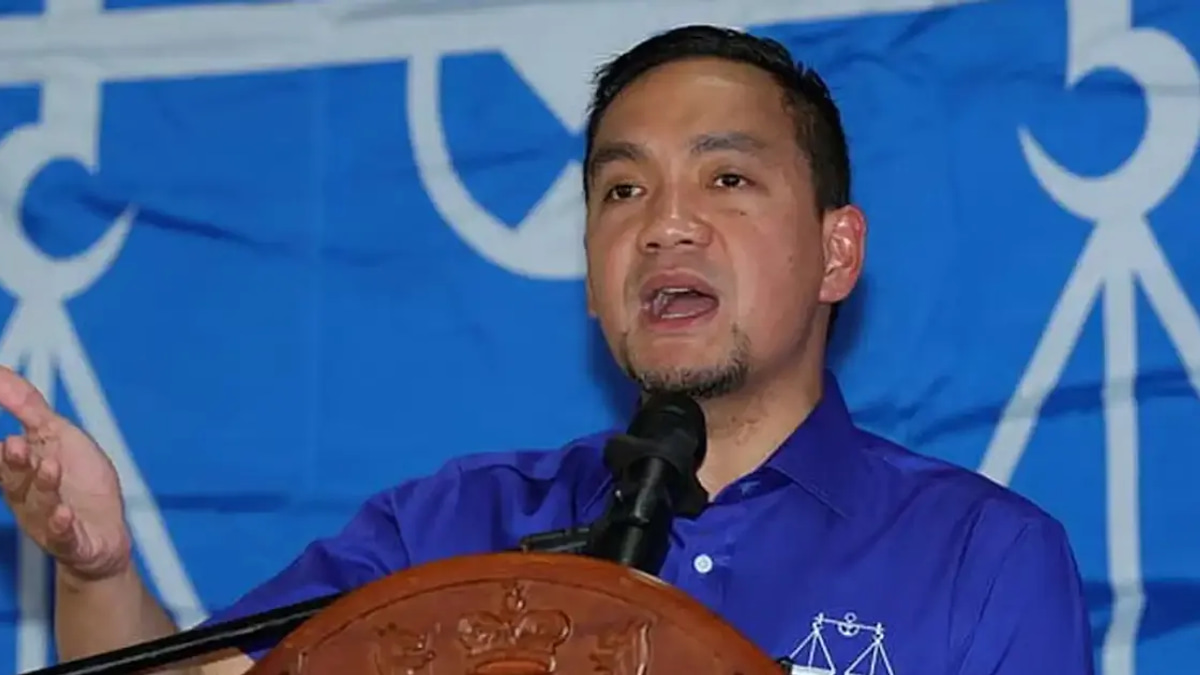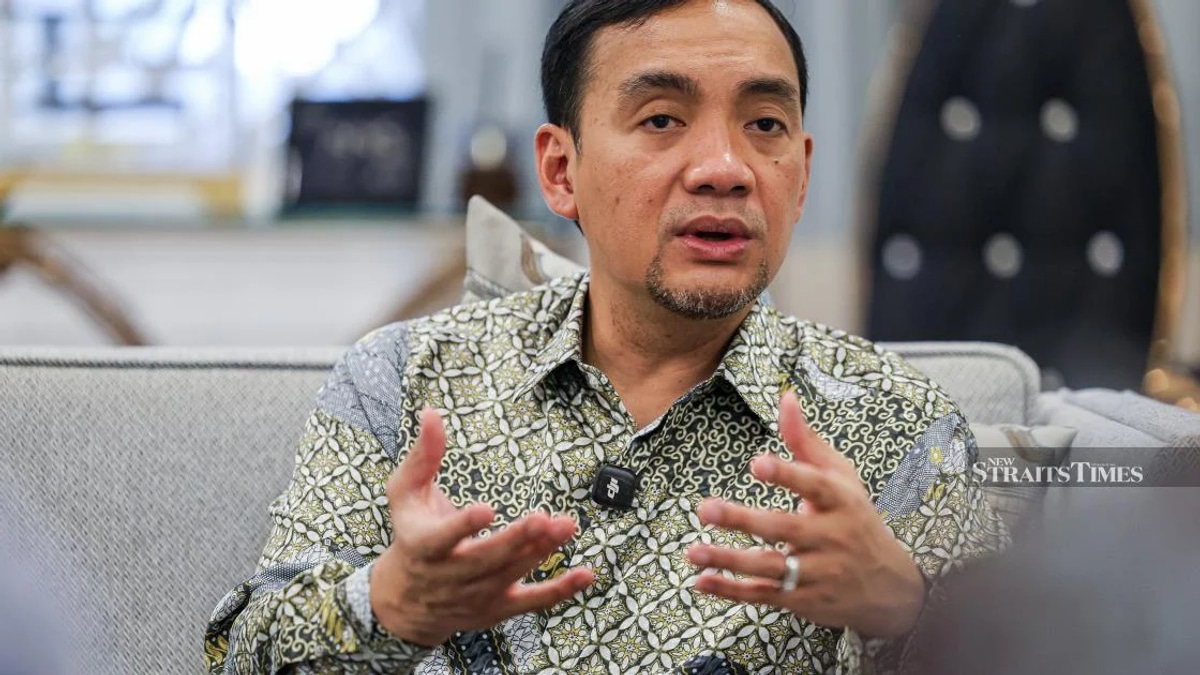
Johor Democratic Action Party (DAP) chairman Teo Nie Ching has levelled allegations that certain unnamed parties are deploying doctored posters featuring potential candidates in a coordinated effort to undermine public confidence in Pakatan Harapan ahead of the Johor election. The accusations, made in Kuala Lumpur today, highlight mounting concerns about disinformation tactics being deployed during the state's electoral campaign.
The alleged manipulation of campaign materials represents a troubling escalation in political contestation within Johor, a state where the coalition has sought to consolidate and expand its support base. Campaign posters ostensibly depicting PH candidates have been altered or misrepresented, Teo suggested, in attempts to create confusion among voters and cast doubt on the coalition's campaign messaging. Such practices fall outside conventional political competition and raise questions about the integrity of the information environment during critical election cycles.
Teo's assertions point to the sophisticated nature of modern political campaigns, where digital manipulation and physical poster tampering have become additional battlegrounds beyond traditional policy debates and public rallies. The circulation of false or manipulated imagery can rapidly amplify through social media networks, potentially reaching far more voters than the original posters themselves. For a coalition attempting to rebuild electoral momentum, such tactics create additional headaches as party machinery must simultaneously defend its positions and debunk circulating falsehoods.
The Johor electoral context provides the backdrop for these allegations. The state represents significant political weight within Malaysia's broader constitutional framework, and control of its state government holds implications for federal power dynamics. Pakatan Harapan's performance in Johor will likely influence perceptions of the coalition's viability as a national alternative government. Any erosion of voter confidence through disinformation campaigns therefore carries consequences extending beyond state-level politics into the national political balance.
Pak Harapan's struggles in previous election cycles have made the coalition particularly vulnerable to coordinated campaigns designed to lower voter turnout among its traditional support bases or shift marginal voters toward competing coalitions. When voters encounter conflicting or confusing information about candidates, some may respond by simply disengaging from the electoral process, which typically disadvantages opposition coalitions more than incumbent governments. This dynamic explains why allegations of manipulated materials merit serious scrutiny rather than dismissal as routine campaign complaints.
The absence of identified culprits in Teo's allegations reflects a common challenge in addressing disinformation campaigns. Unlike conventional political attacks that carry attributions and accountability mechanisms, manipulation tactics often operate through obscured channels. Determining precisely which parties benefit from specific disinformation is frequently difficult, though the logical beneficiary analysis typically points toward forces seeking to weaken PH's electoral performance. This opacity itself undermines healthy democratic competition by enabling actors to sow discord without facing political consequences.
Such allegations also highlight the vulnerability of Malaysia's information ecosystem during electoral periods. While the country possesses media institutions and regulatory frameworks, the combination of social media's rapid dissemination capabilities and the sophistication of modern manipulation techniques creates persistent challenges for electoral authorities and political parties alike. Voters attempting to navigate competing claims must distinguish between legitimate criticism of political opponents and deliberate falsehoods designed purely to confuse or mislead.
For Pakatan Harapan strategists, public allegations about manipulated materials serve a dual purpose. They alert supporters and the broader electorate to potential disinformation tactics while framing the coalition as a victim of unfair competition. However, such allegations without substantive evidence or identified perpetrators risk appearing self-serving, potentially converting sympathy into skepticism among undecided voters who may view the complaints as partisan positioning rather than legitimate concerns about electoral integrity.
The broader implications extend to Southeast Asia's democratic health. Malaysia's relatively open media environment and competitive electoral system generally function better than some regional counterparts, yet the emergence of manipulation allegations suggests that challenges affecting democracy across the region—including disinformation, coordinated inauthentic behavior, and erosion of information integrity—have taken root here as well. How Malaysian political actors, media institutions, and electoral authorities respond to such allegations will signal whether the system possesses mechanisms for preserving democratic standards during increasingly contentious campaigns.
Moving forward, Teo's allegations warrant investigation by relevant authorities capable of examining physical evidence and digital trails. Whether such investigations occur and what their findings reveal could substantially influence both the immediate Johor election and broader perceptions of electoral fairness in Malaysia. The DAP's willingness to publicly air such concerns suggests internal party confidence that evidence exists, though verification remains essential before attributing malicious intent to specific actors or coalitions. The intersection of technology, politics, and information management will likely remain contested terrain throughout the Johor campaign and beyond.