The Democratic Action Party has positioned itself as a steadfast ally in Prime Minister Datuk Seri Anwar Ibrahim's push to dismantle the Universities and University Colleges Act, signalling unwavering support for what would constitute a significant overhaul of Malaysia's academic governance framework. The commitment represents a notable rallying point within the government coalition as debates intensify over how far-reaching institutional reforms should extend across the public sector.
This backing comes at a critical juncture for the administration's modernisation agenda. The Universities and University Colleges Act has long been a lightning rod for civil liberties advocates and academics who contend that its restrictions on university autonomy and student activism remain at odds with Malaysia's democratic pretensions. Abolishing the legislation would represent a watershed moment in how the state relates to its tertiary education sector, potentially unlocking greater institutional independence and enabling more robust intellectual discourse on campuses nationwide.
Democratic Action Party leadership has framed the abolition as non-negotiable, underscoring the coalition's commitment to rolling back colonial-era governance structures that many view as anachronistic. This unequivocal positioning suggests the party sees political capital in championing academic freedoms, particularly given its traditional constituency among urban, educated voters who have repeatedly called for such liberalisation.
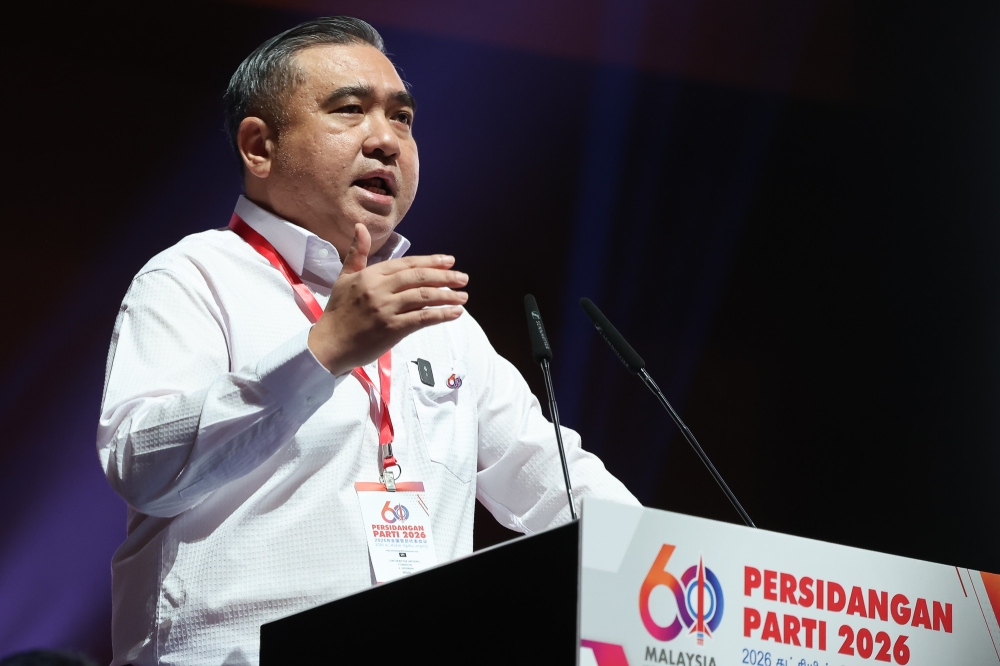
Yet beneath this surface alignment lie hints of more ambitious reform thinking. Transport Minister Anthony Loke, speaking from his position within the DAP hierarchy, has intimated that the government's reform impulse should transcend the universities legislation alone. His remarks suggest he views the abolition as a necessary but potentially insufficient step, signalling that party strategists are contemplating structural changes reaching into multiple governmental domains.
Loke's advocacy for expanded reform carries particular weight given the DAP's strategic importance within the Pakatan Harapan coalition. As the government's largest component in parliament, the party's positioning on institutional matters significantly shapes what becomes politically feasible. His suggestion that reforms must extend further indicates the DAP is thinking systematically about which other statutes and regulations similarly constrain institutional autonomy or restrict civil liberties in ways the coalition's ideological commitments would suggest should be addressed.
The distinction between abolishing a single piece of legislation and undertaking comprehensive institutional reform matters substantially for how the government frames its modernisation narrative. Full AUKU abolition would deliver a concrete, symbolically resonant victory for those who have campaigned against it for decades. Yet Loke's framing implies this victory, while significant, addresses symptoms rather than root causes of governance structures that limit accountability, transparency, and pluralism across the state apparatus.
Context matters here for understanding Malaysian political dynamics. The coalition government that brought Anwar to power in 2022 explicitly campaigned on reform and renewal after years of turbulent political fragmentation. Constitutional amendments, institutional restructuring, and legislative overhauls represent core elements of its stated programme. Abolishing AUKU fits neatly into this narrative, but so too would broader initiatives targeting other legislation that constrains civic space or perpetuates centralised control.
For Malaysia's university sector specifically, the timing of this pledge carries significance. Campuses across the country have seen renewed activist energy in recent years, with students increasingly vocal on political and social questions. Abolishing AUKU would formally acknowledge this shift and enable universities to adopt their own policies governing student expression and institutional governance. This could reshape the landscape of Malaysian academic life substantially, creating space for research and debate previously constrained by regulatory caution.
Regionally, Malaysia's position as a centre of higher learning in Southeast Asia means governance changes reverberate beyond national borders. International academics and students evaluating whether to engage with Malaysian institutions consider freedom of expression and institutional autonomy alongside academic reputation. AUKU abolition would send market signals about Malaysia's commitment to globally competitive governance standards, potentially influencing investment flows into the education sector.
The DAP's emphatic backing also reflects calculations about coalition maintenance. By visibly championing a reform that resonates with its base while supporting the Prime Minister's agenda, the party reinforces its relevance within the government while positioning itself as a force for progressive change. This dynamic proves particularly important given coalition volatility and the perpetual negotiations required to maintain parliamentary majorities in contemporary Malaysian politics.
Loke's additional signalling about broader reforms suggests the DAP recognises that AUKU abolition, while symbolically important, occurs within a wider ecosystem of governance questions. Other legislation restricting press freedom, civil society organising, or institutional independence could become targets for similar reform efforts, depending on political momentum and coalition consensus. His comments invite speculation about what additional legislation might be candidates for revision should the government's reform appetite sustain.
Implementing AUKU abolition itself presents practical complexities beyond the political symbolism. The government would need to craft replacement frameworks governing university administration, student conduct, and institutional autonomy that simultaneously protect academic integrity while satisfying safety and accountability concerns that motivated the original restrictions. Transitioning from explicit legislative constraints to more permissive governance models requires careful institutional design.
The broader significance of this DAP pledge extends to questions about how Malaysia's coalition government intends to govern for its full term. Coalition governments frequently struggle maintaining reform momentum, particularly when constituencies with entrenched interests resist change. By securing DAP backing before significant resistance coalesces, the government may be positioning itself to move swiftly once parliamentary procedures allow. The outcome will reveal whether Malaysia's current political settlement can sustain meaningful institutional modernisation.

