The Democratic Action Party has raised alarm over what it characterises as a deliberate disinformation campaign targeting its candidates in the upcoming Johor state election, with party leaders accusing unnamed opponents of systematically altering campaign materials to sow discord among voters.
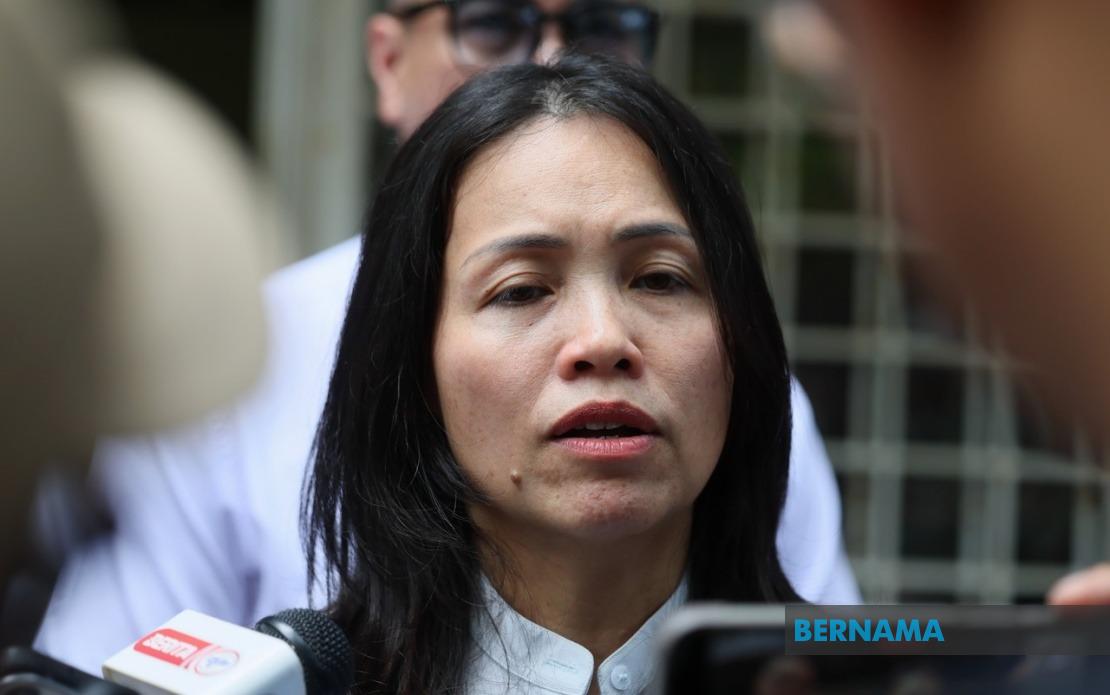
Johor DAP chairman Teo Nie Ching disclosed that several posters featuring potential party candidates had been digitally manipulated to depict them wearing headscarves in ways she described as inappropriate, a deception designed to mislead non-Malay communities about the party's candidate slate. The altered materials, she suggested, represent an attempt to weaponise religious imagery and cultural sensitivities for electoral advantage.
According to Teo, who also serves as Deputy Communications Minister, the strategy behind these manipulated posters aims specifically to generate anxiety among the Chinese community and discourage them from supporting Pakatan Harapan in the state contest. By creating false associations between DAP candidates and particular religious presentations, the tactic exploits potential cultural anxieties to undermine support for the coalition among non-Malay voters who constitute a significant portion of Johor's electorate.
In her public statement, Teo emphasised that the DAP regards religious symbols and practices with respect and rejects any trivialisation of the Islamic headscarf or other faith-based customs. She characterised the poster manipulation as contemptible, arguing that such tactics violate basic standards of electoral integrity and decency. The party leadership called upon the voting public to resist what they frame as poisonous campaign methodology and instead base electoral choices on substantive policy platforms and candidate credentials.
The DAP's broader positioning in this dispute centres on its established commitment to protecting the interests and rights of all Malaysians regardless of communal identity, religious affiliation, regional origin, or gender. Teo underscored that the party's history demonstrates consistent advocacy for pluralistic representation and equal treatment across Malaysia's diverse population. She framed the doctored poster campaign as an assault not only on the DAP's credibility but also on women generally, suggesting that the manipulation employs female candidates' images in a disrespectful manner.
Teo's public appeal to voters of all communities to reject such tactics reflects broader concerns within the DAP about the tone and conduct of the Johor election campaign. She positioned the choice between accepting divisive manipulation or embracing values of communal harmony, national unity, and peaceful coexistence—framing the election as fundamentally about the kind of Malaysia voters wish to build through their ballots.
The timing of these revelations comes amid active preparations for the Johor state election, which the Election Commission has scheduled with nomination day set for June 27 and voting day on July 11, following the dissolution of the State Legislative Assembly announced on June 1. These dates establish a compressed campaign period during which electoral claims and counterclaims will intensify, making questions about campaign conduct and information integrity particularly significant.
Johor's 56 state seats represent a substantial prize in Malaysian politics, with the composition of its legislature holding implications for both state governance and broader federal political dynamics. Before dissolution, Barisan Nasional held commanding control with 40 seats, while Pakatan Harapan maintained a secondary position with 12 seats, Perikatan Nasional held three seats, and MUDA claimed a single seat. The fragmented opposition positioning creates opportunities for multiple parties to contest aggressively, potentially creating conditions where campaign tactics and claims face less institutional scrutiny than in more consolidated political environments.
For Malaysian observers and participants, the DAP's complaint reflects a broader challenge facing contemporary electoral politics across Southeast Asia—the difficulty of maintaining campaign conduct standards and preventing information manipulation during high-stakes contests. The ease with which digital tools enable poster falsification, combined with the speed at which misleading materials can circulate through social media networks, creates asymmetric pressures on political players, potentially rewarding those willing to abandon ethical constraints.
The specific tactic described—manipulating candidate images to invoke religious imagery—targets vulnerabilities in Malaysia's plural society where questions of religious practice and communal identity remain politically charged. By attempting to create false associations between secular-oriented political figures and particular religious presentations, the campaign operatives reportedly seek to exploit genuine communal anxieties and historical sensitivities, weaponising identity politics in ways that potentially degrade the quality of democratic deliberation.
The DAP's response attempts to reframe the issue from the particular dispute over candidate imagery to broader questions about electoral ethics and national values. By linking the doctored posters to broader themes of disrespect toward women and rejection of divisive tactics, party leadership tries to elevate the controversy beyond factual disputes about individual images to abstract principles about how Malaysian elections should function.
For non-Malay voters in Johor, particularly the Chinese community explicitly identified as targets of the apparent manipulation campaign, the incident raises questions about information reliability during campaigns and about which parties will maintain ethical standards under electoral pressure. Whether voters respond to the DAP's framing or whether alternative explanations and counter-narratives gain traction will help determine both the tone of the remaining campaign and potentially the election's outcome.