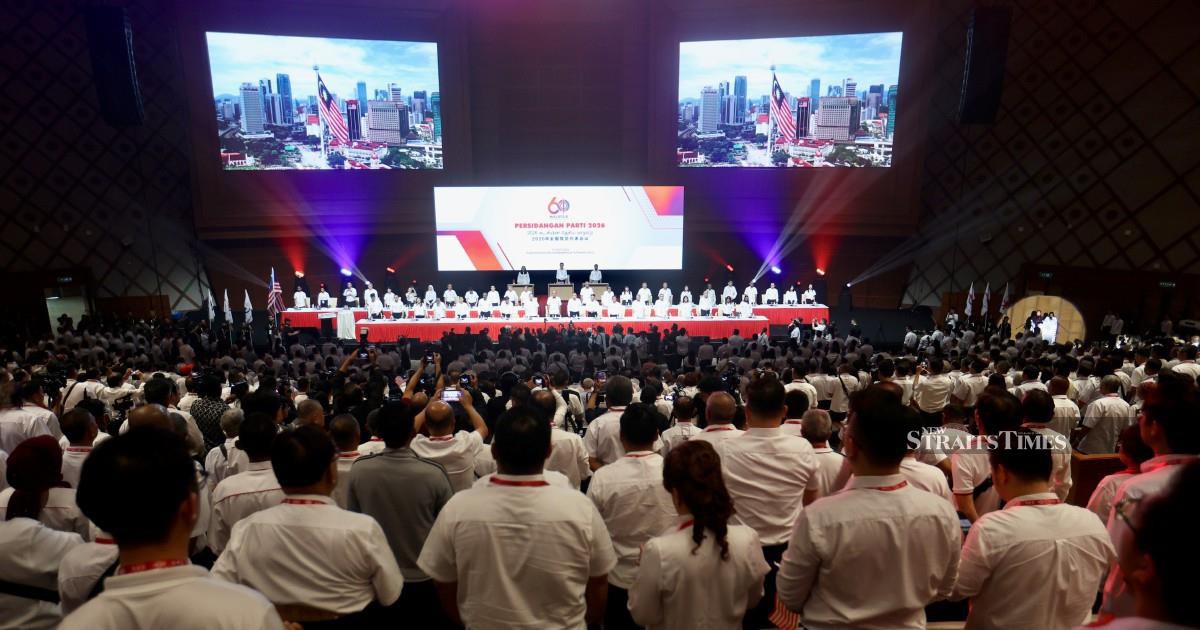
The Democratic Action Party has voted to remain part of Malaysia's cabinet for the remainder of the current parliamentary term, a decision that underscores the ongoing stability of the ruling coalition at federal level. The party's commitment comes amid broader discussions about the trajectory of the unity government that has governed the country since the 2022 general election.
DAP's decision to stay within the cabinet carries significant weight for Malaysian politics, as the Kuala Lumpur-based party represents a crucial pillar of the ruling Pakatan Harapan alliance. The party's participation in cabinet ensures continued representation of urban, business-oriented constituencies and provides ideological balance within a coalition that spans multiple political traditions. For Malaysian voters, DAP's continued presence signals that the administrative machinery can expect consistency in economic policy and governance priorities across key ministries where the party holds responsibility.
The vote reflects confidence within DAP's leadership structures regarding the viability of the current coalition arrangement. The party's decision-makers evidently believe that remaining engaged in the cabinet offers better prospects for advancing party interests and delivering voter mandates than any alternative course. This calculation incorporates assessments of how long the present parliamentary coalition can maintain workable majorities and whether cabinet participation allows DAP to shield its policy objectives from potential challenges in parliament.
From a regional perspective, DAP's continued cabinet participation matters for Southeast Asian observers tracking Malaysia's political equilibrium. The party has historically represented Chinese Malaysian concerns and business constituencies, and its stability within government provides reassurance to these groups. Investor confidence frequently depends partly on political predictability, and the party's straightforward commitment to serve through the parliamentary term offers that dimension of certainty during a period when many governments in the region face structural instability.
The broader context involves Malaysia's coalition dynamics following the 2022 election. The unity government that emerged represented an attempt to move past the extraordinary polarisation of preceding years, bringing together parties from different ethnic and ideological traditions. That experiment has proven fragile in several respects, with periodic defections and tensions between coalition partners becoming evident. DAP's reaffirmation of its cabinet commitment therefore deserves interpretation as a stabilising signal, suggesting at least one significant bloc within the ruling coalition sees continuing the current arrangement as preferable to allowing it to fracture.
DAP's presence in cabinet has historically allowed the party to influence policy on urban development, economic management, and business regulation. The party's ministers have typically brought technocratic approaches to their portfolios, emphasizing professional governance and competitive market principles. Continued participation means these tendencies will remain embedded within the government's decision-making structures through the remainder of the parliamentary term.
The decision also reflects calculations about opposition dynamics. Malaysia's opposition, particularly Perikatan Nasional, has positioned itself as an alternative government-in-waiting. By confirming its place within the cabinet, DAP evidently judges that withdrawing would simply hand momentum to opposition forces rather than create space for a more appealing alternative arrangement. The arithmetic of Malaysian parliament makes sudden shifts particularly fraught, and the party appears to prefer consolidating its position within existing structures over gambling on untested scenarios.
For Malaysian businesses and civil society, the implication suggests a degree of governmental continuity that reduces medium-term uncertainty. Cabinet portfolios relating to commerce, investment, and regulatory affairs will continue under ministries where DAP holds influence. This consistency matters for companies planning major expenditures or seeking regulatory clarity across multiple parliamentary years. The party's commitment therefore carries tangible implications beyond narrow political competition.
The vote also addresses internal party management within DAP. Party leadership has evidently positioned the cabinet decision as a matter for democratic deliberation among members, then accepted the resulting mandate. This process strengthens party cohesion and ensures that members feel heard in decisions affecting the party's political posture. Such internal legitimacy becomes particularly important when parties must ask supporters to accept compromises that cabinet participation inevitably entails.
Looking forward, DAP's commitment extends to the full parliamentary term but does not necessarily extend beyond. The party leaves itself room to reassess circumstances should major political changes occur, while signalling stability for the medium term. This balanced approach reflects realistic political calculation about Malaysia's fluid coalition environment, where circumstances can shift more rapidly than most observers anticipate.
The decision ultimately represents both confidence and prudence. DAP has calculated that remaining in government offers better prospects for the party and its constituencies than any available alternative, while accepting that continued coalition politics involves continuous negotiation and compromise. For Malaysia's political system, the signal matters: one major coalition component has confirmed its commitment to stability through the parliamentary term, even as underlying pressures within the coalition persist.

