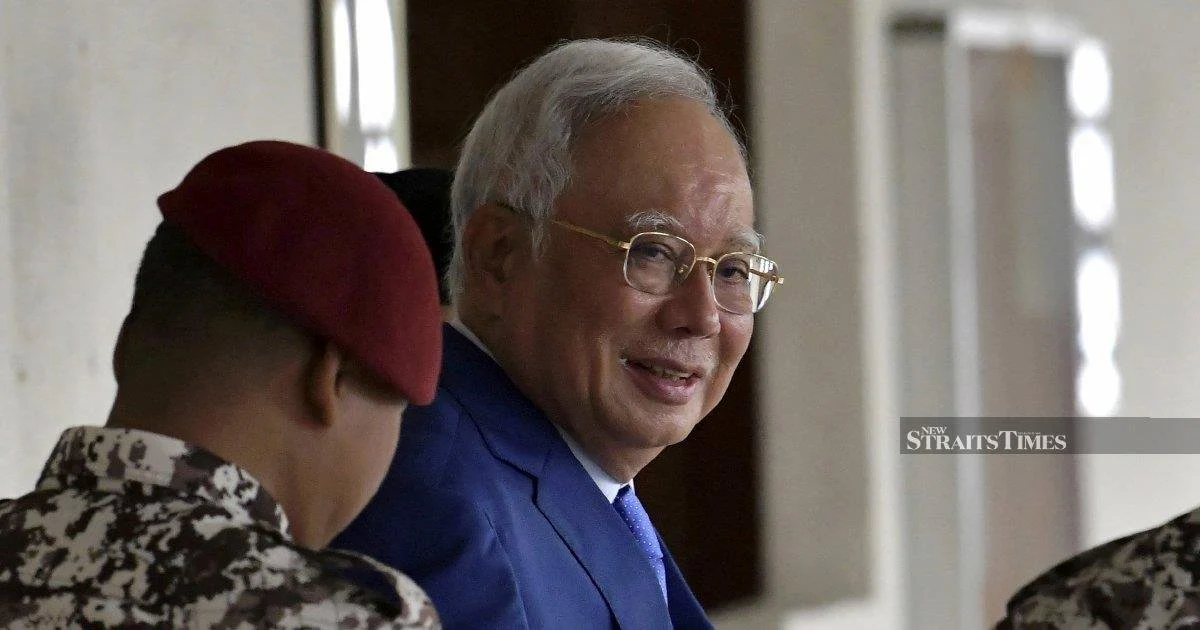
Former Skudai assemblywoman Marina Ibrahim has levelled fresh allegations against the Democratic Action Party, asserting that a senior DAP figure privately endorsed the possibility of securing a royal pardon for ex-Prime Minister Datuk Seri Najib Razak alongside alternative arrangements allowing him to serve his sentence through house confinement rather than incarceration in a conventional prison facility.
The accusation, made in Johor Baru, represents another flashpoint in Malaysia's fractious coalition politics and touches on one of the country's most contentious legal sagas. Ibrahim's claims, if substantiated, would undermine the DAP's public positioning on accountability and governance—issues the party has historically championed as core ideological principles in their political messaging to voters across Malaysia.
The timing of Ibrahim's statement carries particular significance given ongoing tensions within the federal government coalition and persistent public interest in Najib's legal predicament. The former premier has remained a polarising figure since his 1MDB scandal erupted, with his conviction and imprisonment becoming symbolic of how Malaysia's political elite view justice and the rule of law. Any suggestion that opposition figures have entertained leniency toward him invites scrutiny about whether principled positions on judicial matters transcend partisan boundaries.
For Malaysian observers, the alleged inconsistency exemplifies broader concerns about selective morality in national politics. Political parties frequently criticise opponents' governance failings while their own members operate under different ethical frameworks behind closed doors. This dynamic frustrates many citizens who expect their elected representatives to maintain consistent standards regardless of audience or political convenience.
The DAP, which has built considerable electoral support on an anti-corruption platform, faces particular reputational vulnerability to such allegations. The party's Peninsular base especially has mobilised voters partly through promises of transparent governance and uncompromising positions against financial mismanagement within the state apparatus. Should party members genuinely have entertained alternative sentencing arrangements for Najib, this narrative becomes complicated and potentially damaging to their political brand.
Najib's legal situation itself remains fluid and contested. His multiple convictions relating to 1MDB have generated international attention, with implications for Malaysia's standing on governance and rule of law among global observers. Whether the former premier ultimately receives a pardon, reduced sentence, or alternative detention arrangements would carry enormous symbolic weight, signalling how seriously Malaysia's leadership takes accountability for those at the highest levels of government.
The house arrest concept that Ibrahim references raises interesting questions about equity within Malaysia's criminal justice system. Privileged defendants have sometimes secured such arrangements, while ordinary Malaysians convicted of serious crimes serve conventional sentences. Public perception of differential treatment based on political status and connections remains a persistent grievance, and any arrangement perceived as special treatment for Najib would likely reignite broader discussions about two-tiered justice in the country.
From a Southeast Asian perspective, Malaysia's handling of high-level corruption cases influences regional perceptions of institutional independence and democratic maturity. Neighbouring countries watch how Malaysia treats powerful figures, and inconsistencies between public stances and private accommodations undermine confidence in the nation's commitment to genuine accountability. This extends beyond domestic politics to encompass Malaysia's soft power and diplomatic credibility in regional forums.
The DAP would likely respond by either denying Ibrahim's characterisation or contextualising any discussions as exploratory rather than endorsements. Opposition figures frequently engage in theoretical conversations about various policy options without committing to those positions, a practice that creates ambiguity when later disclosed. However, such distinctions often fail to satisfy public perception, particularly when fundamental questions about judicial consistency are involved.
For Malaysian voters evaluating coalition partners and government credibility, these allegations underscore how political alignments often transcend the rhetoric deployed during election campaigns. Behind-the-scenes negotiations and understandings frequently differ markedly from public pronouncements, a reality that contributes to voter cynicism about political sincerity. Whether Ibrahim's specific claims prove accurate or contestable, they highlight the broader challenge of maintaining faith in political institutions when apparent inconsistencies emerge.
The broader implications extend to how Malaysia's government coalition manages controversial figures and contentious legal matters going forward. As the country grapples with economic challenges and regional competition, maintaining public confidence in institutional integrity becomes increasingly important. Allegations of selective application of principles, whether directed at DAP or any political entity, inevitably complicate governance and erode the legitimacy that effective administration requires.
This incident also reflects deeper fractures within Malaysian politics regarding the Najib question itself. While some view his imprisonment as justified accountability for grave financial crimes, others—including some within the coalition government—apparently harbour different perspectives on appropriate outcomes. These contrasting views, usually expressed cautiously, occasionally surface through statements like Ibrahim's, revealing the complex landscape underlying Malaysia's political surface.

