In a quiet village 90 kilometres east of Prague, one man's passion for Argentine football has manifested in ways that would be impossible to miss. Miloslav Urbanec, a 51-year-old music promoter known as "Curby", has transformed his three-storey house in Bukovka into a striking homage to La Selección, painted in the distinctive sky-blue and white of the national team. The exterior walls feature the sun emblem central to Argentina's flag, while oversized murals of Lionel Messi dominate the rear elevation. A life-size statue of Diego Maradona stands sentinel in the courtyard, watching over an all-weather football pitch that Urbanec has installed behind the property.
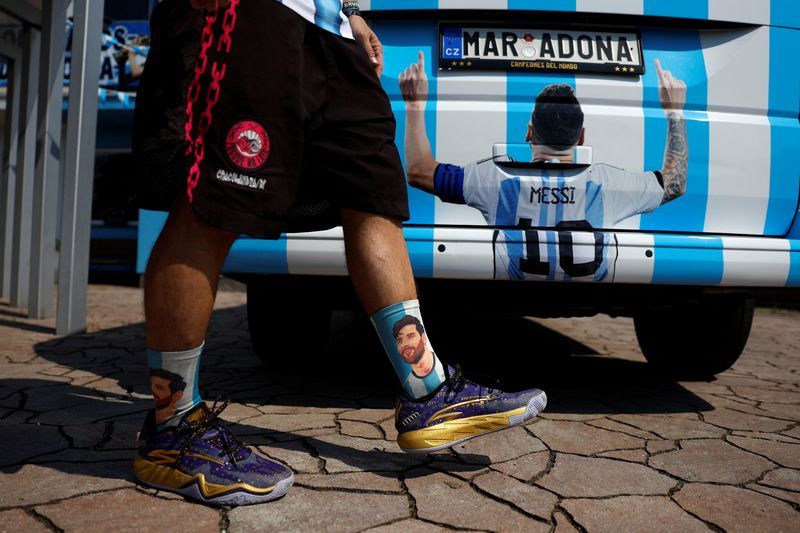
Urbanec's commitment to his adopted team transcends the walls of his home. His van serves as a rolling advertisement for his fandom, painted in matching blue and white with images of Maradona clutching the World Cup alongside contemporary star Messi. A custom number plate reading "MARADONA" leaves no question about his loyalties, whilst a slogan declaring "In Messi we trust" encapsulates his faith in the team's capacity to triumph. For anyone traversing the Czech countryside, encountering this mobile shrine would serve as an unmistakable marker of an extraordinary devotion to a team separated from the fan by thousands of kilometres.
The roots of Urbanec's Argentine obsession run deep into his childhood. At just four years old, he watched the 1978 World Cup triumph with his father, an experience that proved transformative. The flowing hair and distinctive style of players like Mario Kempes captivated the young boy, but it was Argentina's victory that cemented something fundamental within him. What began as childhood admiration evolved into a lifelong passion encompassing not merely the national team but also the storied Buenos Aires club Boca Juniors, one of Maradona's most celebrated sides.
This dedication has shaped personal decisions extending well beyond decoration and vehicular customisation. When Urbanec's second son was born seven years ago, he named the child Lionel, a direct homage to Messi. His reasoning was unequivocal: even then, it seemed abundantly clear that "this guy is absolutely special". The naming choice represents more than a tribute; it demonstrates how thoroughly Argentine football culture has woven itself into the fabric of Urbanec's family life. His son now grows up not merely with a connection to one of football's greatest players through his name, but surrounded by imagery and artefacts celebrating the player his father reveres.
Urbanec's conviction in Argentina's footballing prowess remains unshaken. He expresses absolute certainty that La Selección will achieve victory, describing the team as "absolutely amazing" in their current iteration. His assessment extends beyond mere tactical prowess or player quality; he believes Argentina plays "the most beautiful football", suggesting his appreciation encompasses not just results but the aesthetic dimensions of how the team approaches the sport. This philosophy reflects a perspective common among passionate Latin American football supporters: that style and beauty matter as much as silverware.
The broader context for Urbanec's enthusiasm encompasses Argentina's football trajectory and international standing. The nation has long occupied a central position in world football consciousness, producing perhaps the sport's most iconic figures and playing styles that have influenced generations of players globally. From Maradona's mercurial brilliance to Messi's sustained excellence across multiple decades, Argentina has provided football with some of its defining narratives. For international supporters like Urbanec, this heritage carries immense appeal, transcending geographical and cultural boundaries.
For Southeast Asian readers, Urbanec's story offers interesting parallels to football fandom across the region. Many Malaysian, Indonesian, and Thai supporters similarly maintain passionate devotion to distant European or South American clubs, transforming homes and vehicles into shrines celebrating beloved teams. The phenomenon of international football creating communities that span continents reflects how sport functions as a universal language, binding people across borders through shared admiration and common cause. Urbanec's Bukovka shrine exemplifies this globalised passion, suggesting that football's power to unite transcends nationality, language, and geography.
The practical expression of Urbanec's fandom through property modification and permanent installations distinguishes his commitment from more conventional forms of support. Whilst many football enthusiasts display memorabilia or wear jerseys, Urbanec has invested substantially in transforming his physical environment. The pitch behind his home enables him to experience the sport directly, creating a space where family and visitors can participate in the game that inspires such devotion. This combination of passive appreciation through visual display and active engagement through playing creates a comprehensive lived experience of his football passion.
Urbanec's faith in Argentina's footballing future remains undiminished despite the unpredictable nature of international competition. His declaration of absolute belief in victory reflects not merely optimism but conviction rooted in decades of following the team through various iterations and outcomes. For supporters like Urbanec, maintaining faith through disappointment and celebrating through triumph constitutes the essential experience of football fandom. His unwavering commitment suggests that regardless of outcomes on the pitch, the passion driving his extraordinary dedication will persist.
The creation of such a shrine in the Czech countryside stands as testament to football's capacity to inspire extraordinary expressions of devotion. Urbanec's home has become more than merely a residence; it functions as a monument to belief in Argentine football, a physical manifestation of emotional investment sustained across decades and continents. Whether visitors appreciate the aesthetics, respect the commitment, or simply recognise the unusual dedication, the Bukovka shrine represents a unique intersection of personal passion and public expression in contemporary football culture.

